Acadia Center
Always On Energy Research
Two new studies released by advocates on opposite sides of the clean energy debate reach opposite conclusions about the economic benefits of renewables.
© RTO Insider
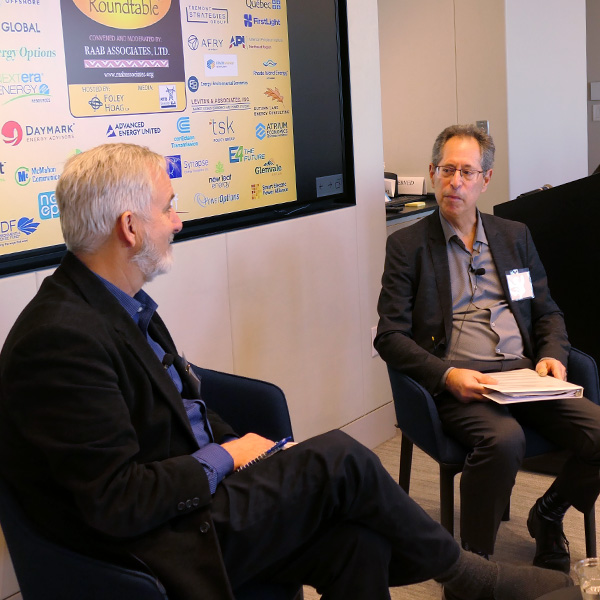
Raab Associates held its final New England Electricity Restructuring Roundtable, bringing reflections from speakers about the legacy of restructuring and the future of the power sector in the region.

Granite Shore Power
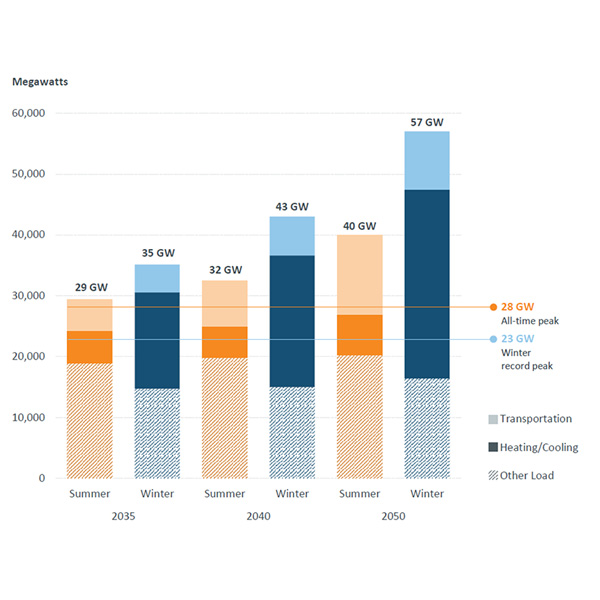
In New England, increasing winter reliability concerns are driving questions about how long the region’s aging fleet of oil-fired power plants can, or should, remain on the system.

Shutterstock
Top Massachusetts House members are pushing an expansive energy bill that would scale back several major climate initiatives and programs.

InvictaHOG, Public Domain, via Wikimedia Commons
A relatively small project aiming to increase gas pipeline capacity into New England is raising larger underlying questions about how the region will balance gas reliability and affordability with longer-term efforts to transition away from natural gas.
Power Advisory
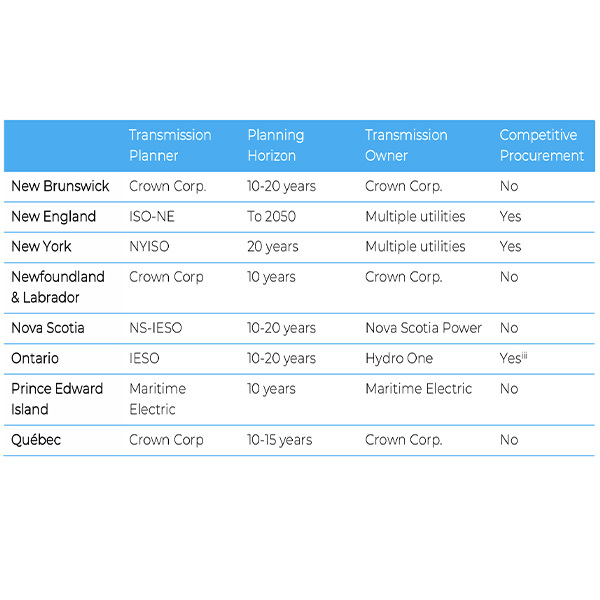
A new report outlines a high-level road map for cross-border interregional transmission planning in the Northeast, making the case for more coordinated planning processes across sub-regions and regulatory environments.
Acadia Center
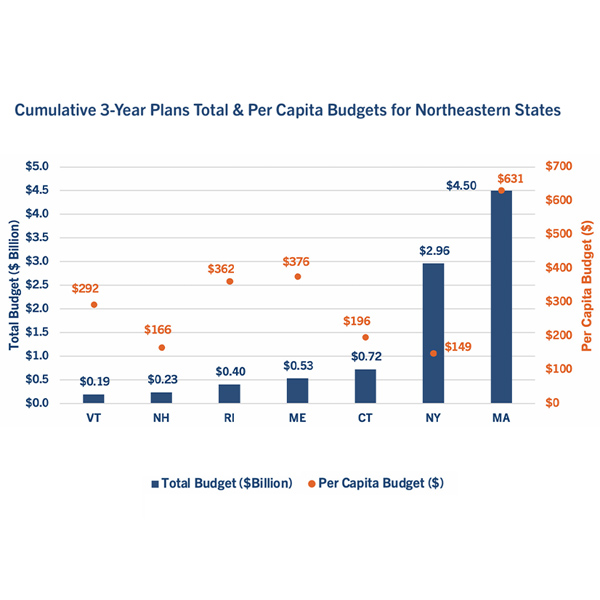
Projected energy efficiency investments in New England over the next three years will generate an estimated $19.3 billion in lifetime benefits, returning $2.93 for every dollar spent, according to new analysis by the Acadia Center.

Shutterstock
Climate and consumer advocates called on Massachusetts lawmakers to preserve the state’s energy efficiency programs as legislators work to develop an energy affordability bill in response to high gas and electricity costs over the past winter.
Connecticut Executive and Legislative Nominations Committee
The forthcoming resignation of Connecticut Public Utilities Regulatory Authority Chair Marissa Gillett has created high-stakes questions around the state’s adoption of a comprehensive performance-based regulation framework.
Grid North Partners
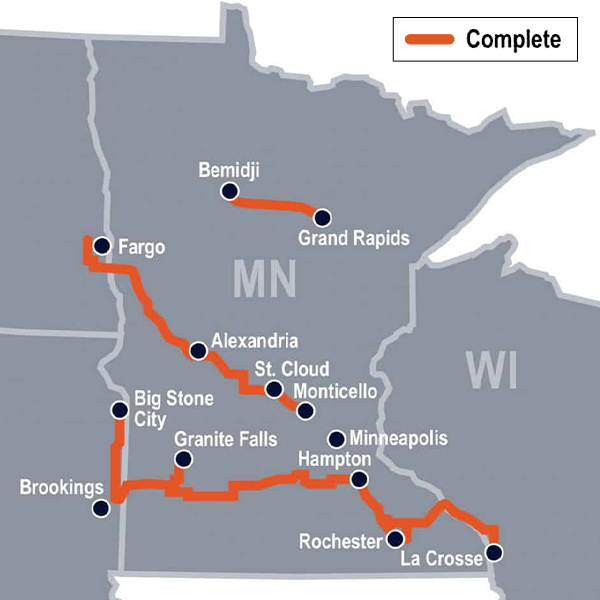
The American Council on Renewable Energy hosted “Powering Progress: States Leading on Transmission Collaboration” to examine the outcome of past multistate efforts and the drive for further collaboration.
Want more? Advanced Search