battery storage
CAISO DMM
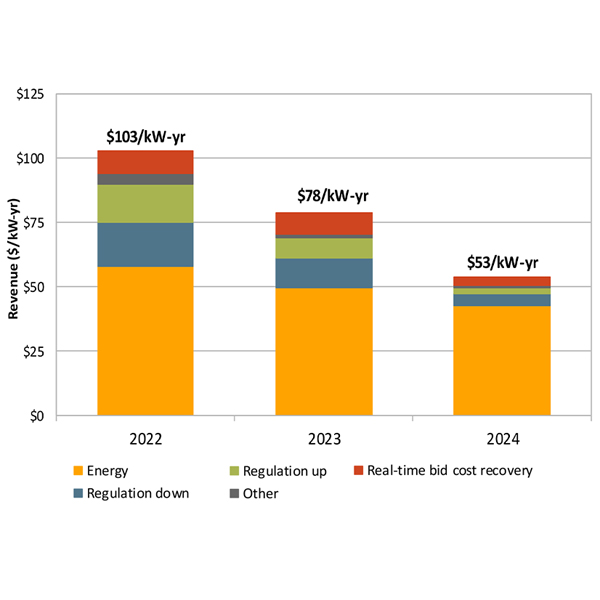
California’s fastest-growing energy resource — battery storage — is earning less net revenue each year, while capacity is forecast to continue to boom.

CAISO
Local line congestion is the primary cause of renewable curtailment in California — and the amount is increasing each year, CAISO said during its second-quarter Market Performance and Planning Forum.
ERCOT
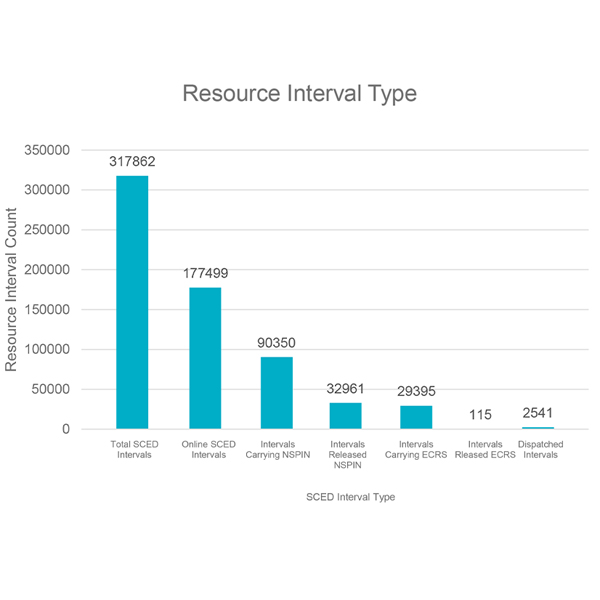
ERCOT stakeholders advanced a protocol change that provides longer-duration ancillary services and state-of-charge parameters, among several other voting items, during their last TAC meeting.
BLM California
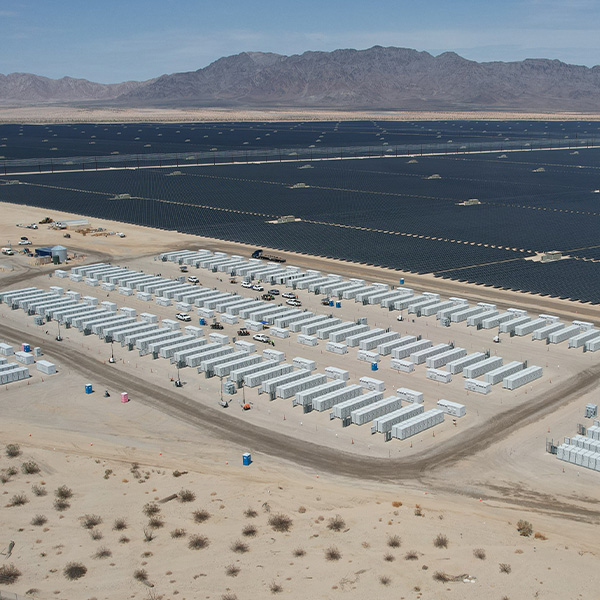
CAISO is moving forward with a key initiative to resolve how battery storage resources function on the grid as the battery boom continues in the Golden State.
CAISO
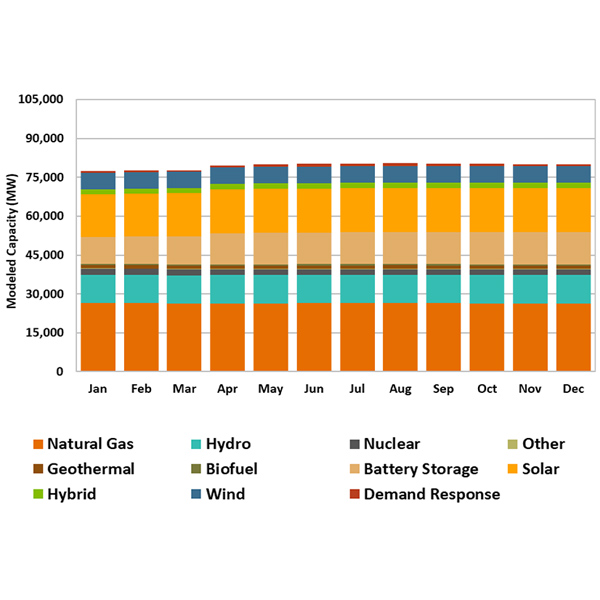
California expects to meet its peak demand this summer under most weather conditions due to thousands of megawatts of new energy resources — almost all battery storage.

CEC
The California Energy Commission approved three integrated resource plans for publicly owned utilities as the state prepares the grid to meet peak loads this summer.
Shutterstock
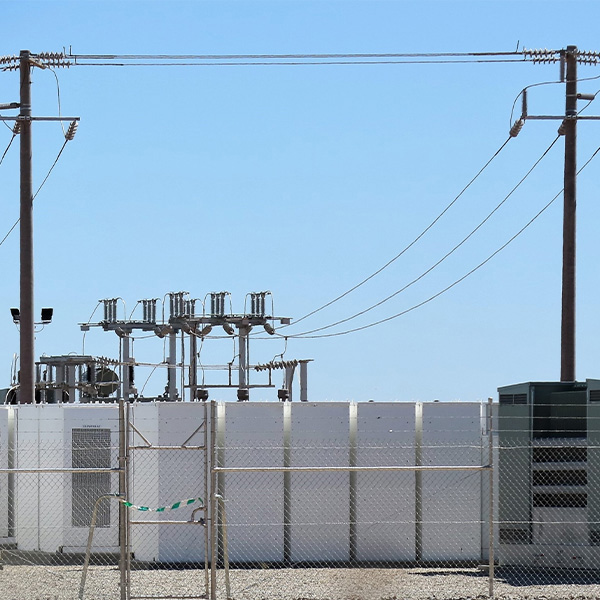
A panel of storage developers, regulators and RTO representatives discussed the roadblocks holding back the growth of battery storage installations in PJM.
Z22, CC-BY-SA 4.0, via Wikimedia Commons
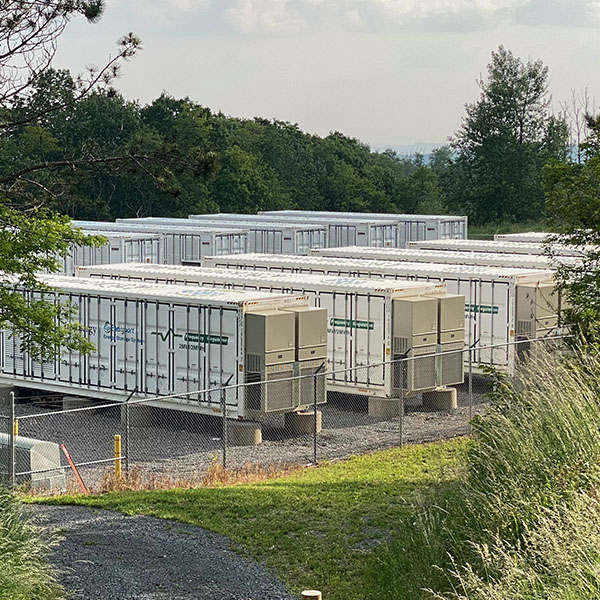
FERC approved filings by two Massachusetts utilities establishing distribution fees for standalone electric energy storage systems that connect to the distribution system but participate in ISO-NE wholesale markets.
© RTO Insider
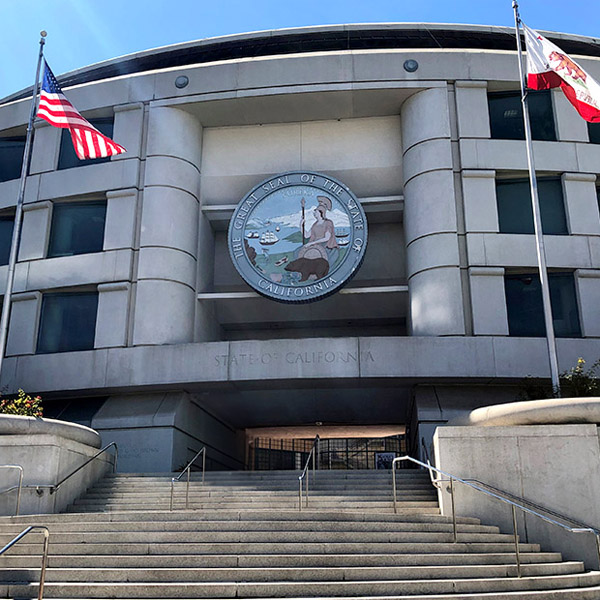
The California Public Utilities Commission voted to approve stricter safety standards on battery storage facilities following a series of incidents at battery facilities.
EIA
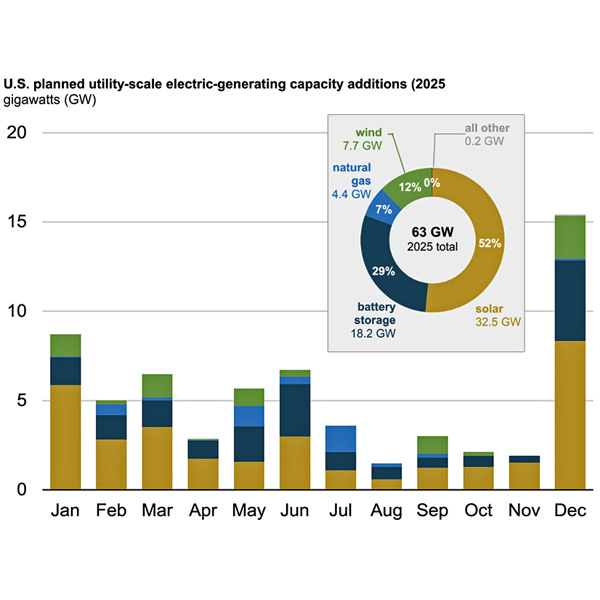
The U.S. Energy Information Administration projects 2025 additions of 32.5 GW of solar, 18.2 GW of storage, 7.7 GW of wind, 4.4 GW of gas and 0.2 GW of all other forms of generation.
Want more? Advanced Search