Capacity Auction Reforms (CAR)

ISO-NE
After a winter of record prices, ISO-NE wholesale market values fell back to more typical levels in March amid milder temperatures and lower gas prices.
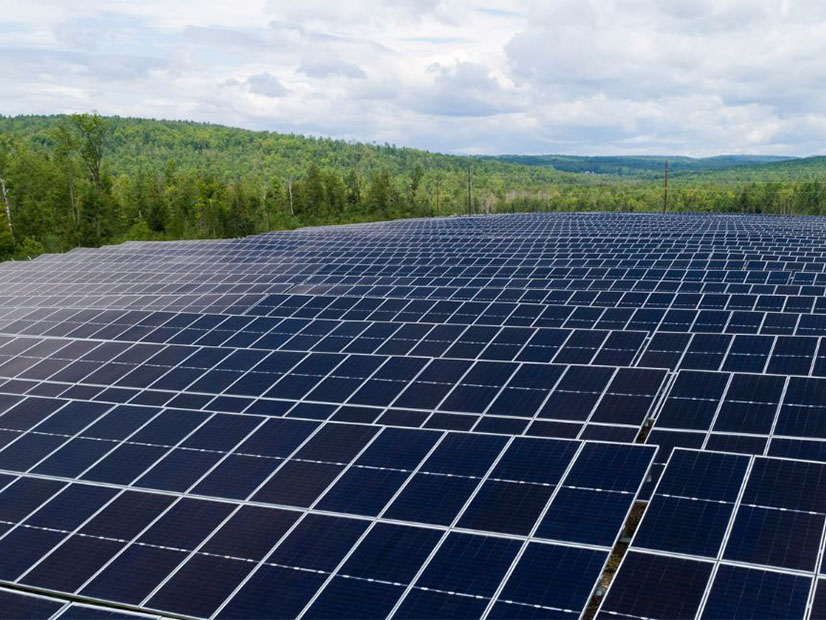
NextEra Energy
FERC approved ISO-NE’s proposal to replace its Forward Capacity Market with a prompt market, cutting the time between auctions and commitment periods from more than three years to about one month.
ISO-NE
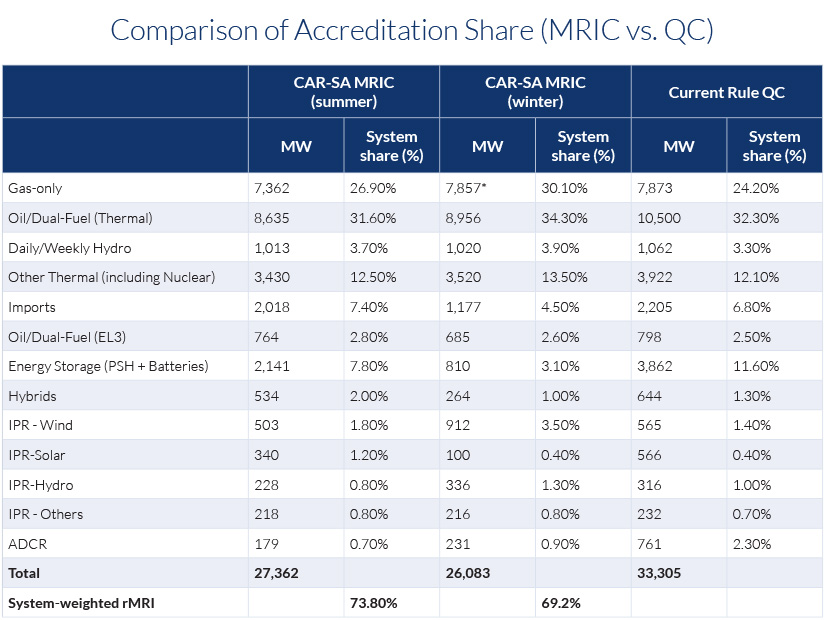
ISO-NE published initial data on how its proposed capacity market overhaul will affect resource accreditation, providing an indication of how the changes would affect capacity market revenues for different resource types.
© RTO Insider
Just a few weeks after taking over as CEO of ISO-NE, Vamsi Chadalavada faced a trial-by-fire introduction to the job.
ISO-NE
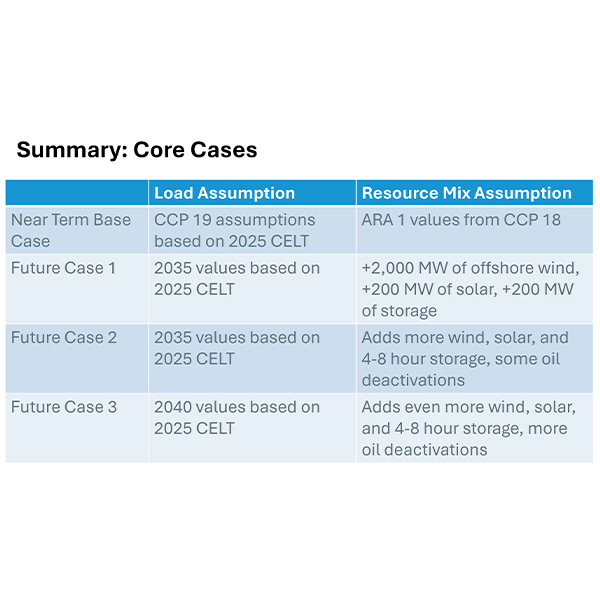
ISO-NE updated stakeholders on its methods for assessing the impacts of its proposed capacity market overhaul as it prepares to release the initial results of the long-awaited analysis.
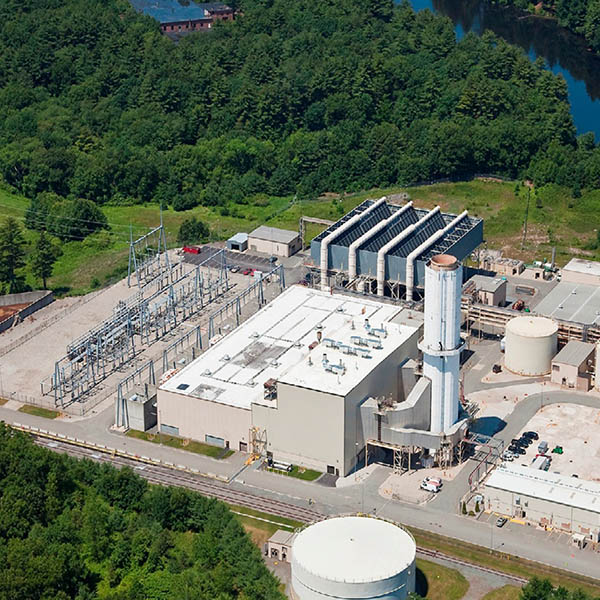
NextEra Energy
FERC partially granted a complaint by the New England Power Generators Association about the design of ISO-NE's Pay-for-Performance mechanism.
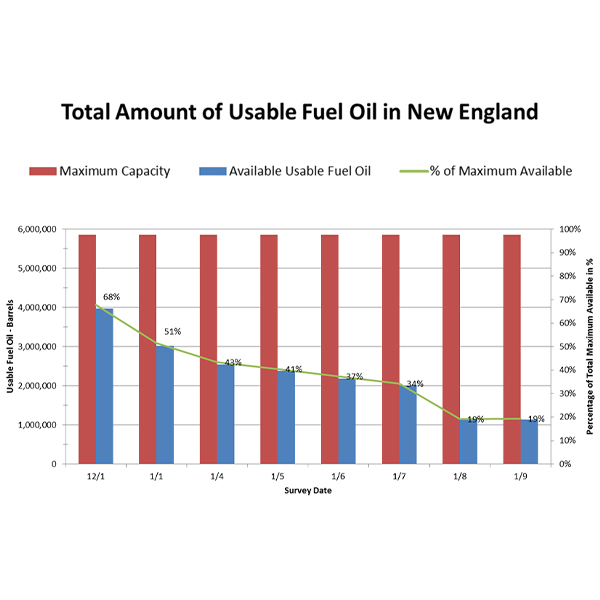
ISO-NE
ISO-NE is reforming its approach to acquiring sufficient capacity, which has shaken things up considerably, writes columnist Peter Kelly-Detwiler.
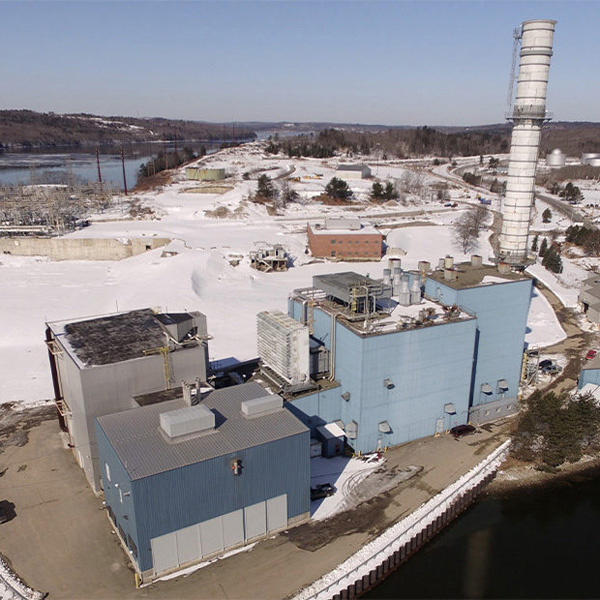
JERA
ISO-NE outlined its methodology for analyzing potential effects of its capacity auction reform project, detailing inputs for the near- and longer-term base cases and potential factors to be considered in sensitivity analyses.
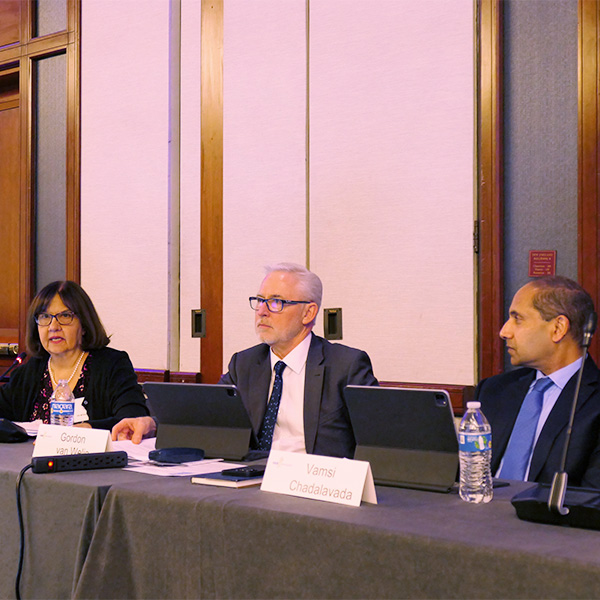
© RTO Insider
Heading into 2026, New England is counting on an increasingly collaborative approach to energy policy as federal opposition to renewable energy development threatens affordability, reliability, and decarbonization objectives in the region.
Analysis Group
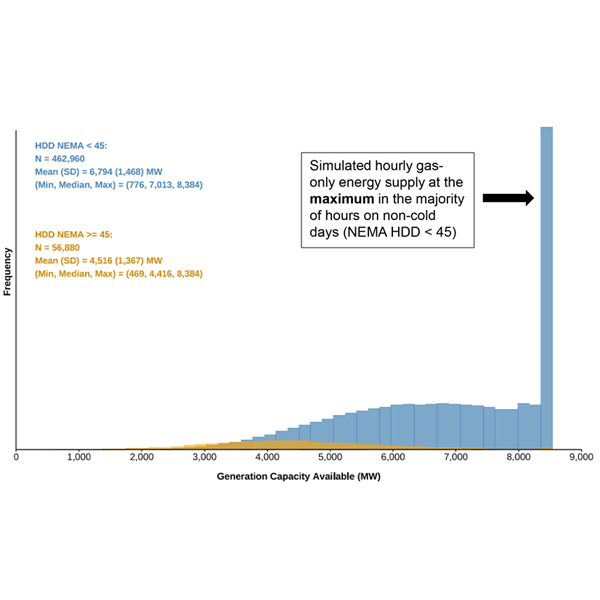
ISO-NE continued work on the second phase of its Capacity Auction Reform project, discussing modeling of the region’s gas constraints, seasonal auction design and its approach to evaluating the impacts of the auction changes.
Want more? Advanced Search