cost allocation
Northeast States Collaborative on Interregional Transmission
Ten East Coast states signed a memorandum of understanding to set up a framework to coordinate interregional transmission planning and development.

© RTO Insider LLC
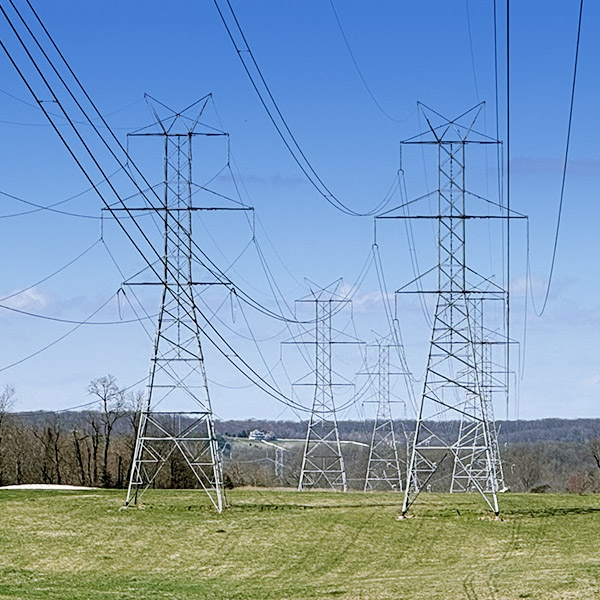
FERC Order 1920 could help move the bar significantly on more efficiently expanding the transmission grid, but its ultimate success depends on how it and other policies are implemented, stakeholders say.
© RTO Insider LLC
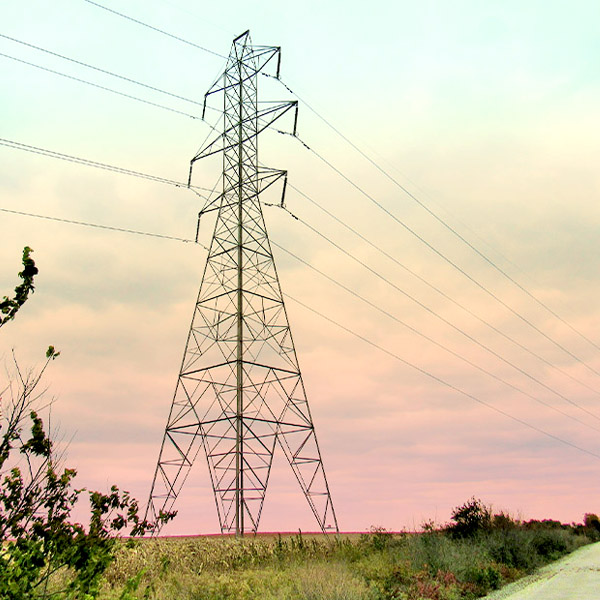
FERC has received rehearing requests on Order 1920 ranging from stakeholders who just want to see a few tweaks, to those who prefer the commission trash the entire order and start over.
© RTO Insider LLC
The states that filed for a rehearing of FERC Order 1920 on transmission planning and cost allocation either argue the federal regulator is overstepping its authority or want changes to the order to ensure it doesn’t upset ongoing regional planning efforts.

© RTO Insider LLC
After 23 years at Southern California Edison and eight as a consultant at ICF International, Gene Rodrigues was four months into retirement in 2022 when he got a call from the Department of Energy’s Office of Electricity.
SPP
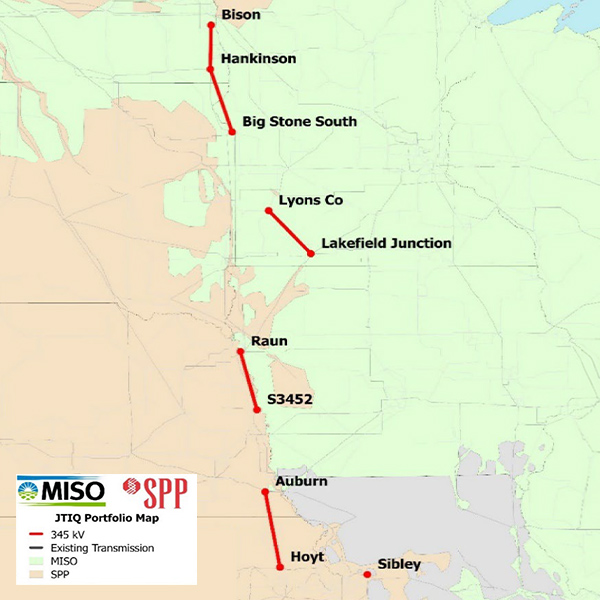
SPP’s Board of Directors has added its approval to a proposed tariff revision that establishes a cost-allocation framework for projects in the JTIQ with MISO.
FERC
The ultimate future of FERC Order 1920 depends on rehearing, implementation and inevitable litigation, but after reading through the order itself in the past week, many stakeholders see it as an important step forward in expanding the grid.
FERC
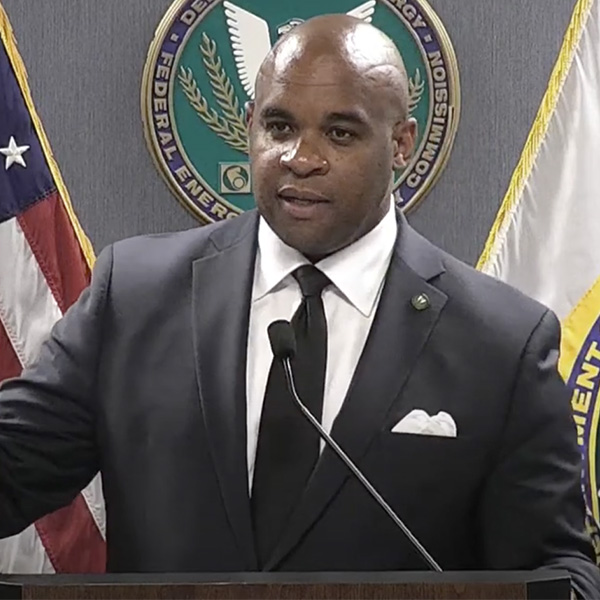
FERC issued Order 1920, its long-awaited final rule on long-term regional transmission planning and cost allocation, but it could not fulfill hopes for a unanimous vote.

Shutterstock
FERC is taking the rare step of holding a special open meeting May 13, a Monday, to vote on a proposal to overhaul its transmission planning and cost allocation rules.
© RTO Insider LLC
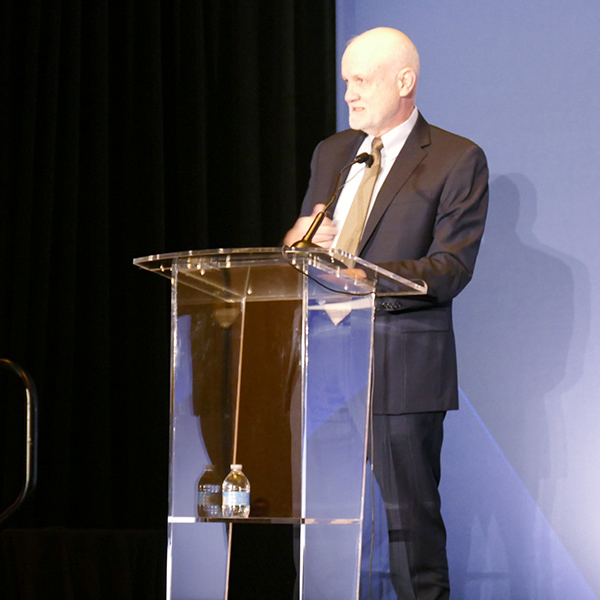
The ongoing turnover of the generation fleet to cleaner resources, the recent return of demand growth and the need to stitch all that together with transmission expansion all came up at the Energy Bar Association’s Annual Meeting.
Want more? Advanced Search