data centers
© RTO Insider
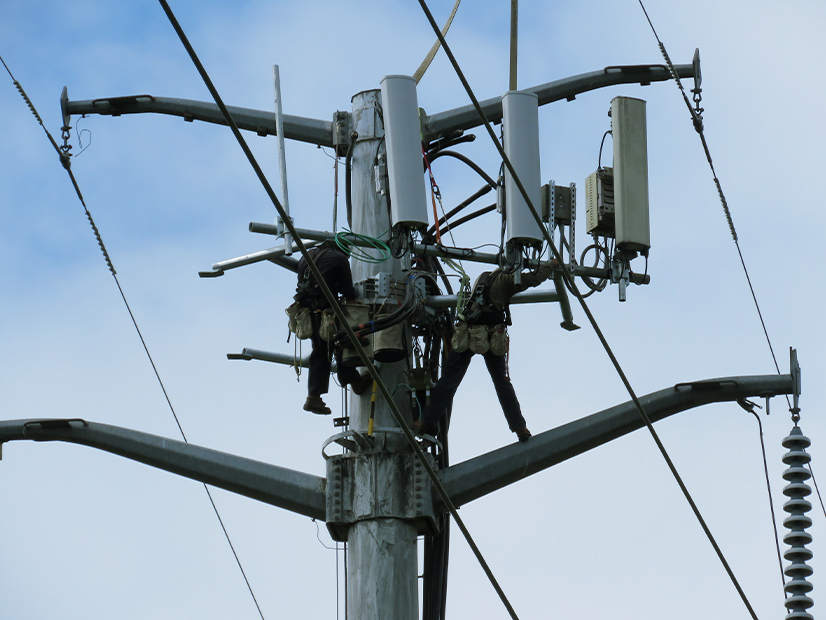
New Jersey is studying whether to use funds from the Regional Greenhouse Gas Initiative to keep down electricity rates and restructure the way utilities are compensated in an effort to reduce the pressure on electricity prices.
Meta
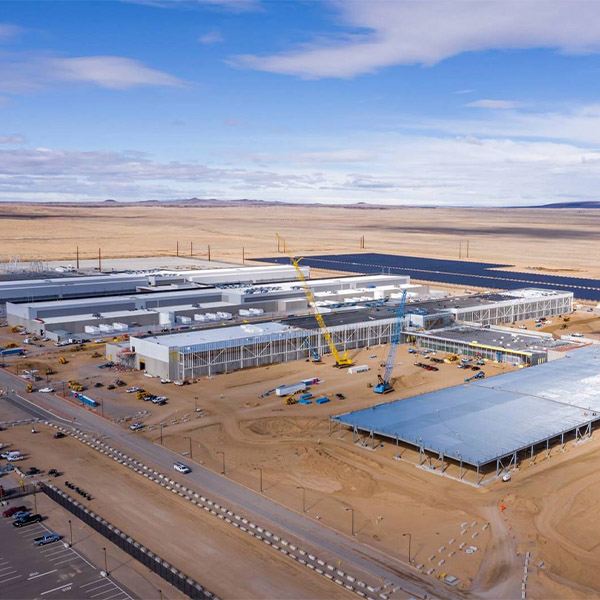
“Powering Intelligence 2026” estimates data centers could consume as much as 17% of U.S. electricity by 2030.

© RTO Insider
Louisiana utility players described their pull-out-all-the-stops, gas-propelled campaign to attract data centers as another hyperscaler announced plans for a new artificial intelligence-training facility in the state.
Senate Energy and Natural Resources Committee
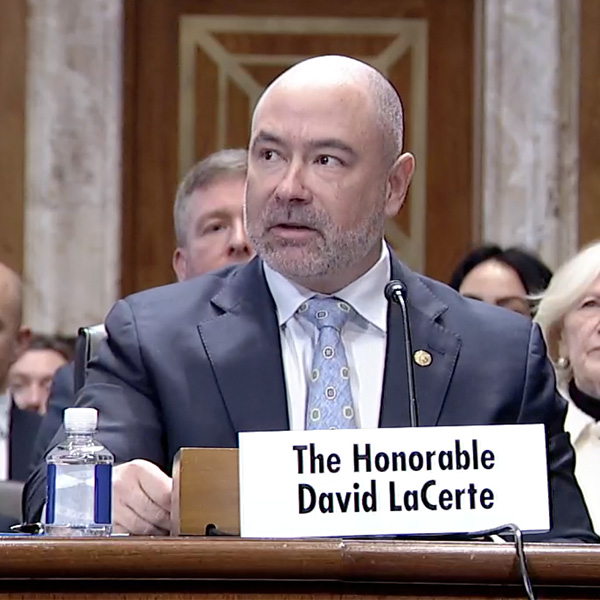
FERC Commissioner David LaCerte was back before the Senate Energy and Natural Resources Committee, just four months after being sworn in, for a hearing on his nomination for a full five-year term.
Constellation Energy
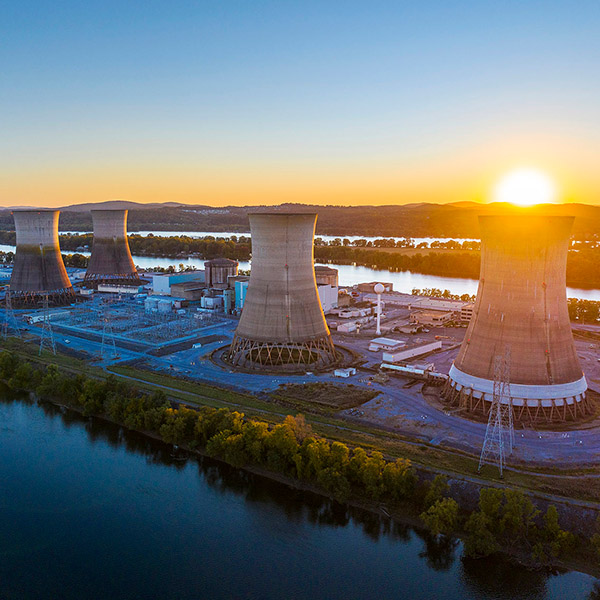
Constellation Energy reported a net income of $2.32 billion in 2025 and gave updates on the planned restart of the former Three Mile Island nuclear facility.
© RTO Insider
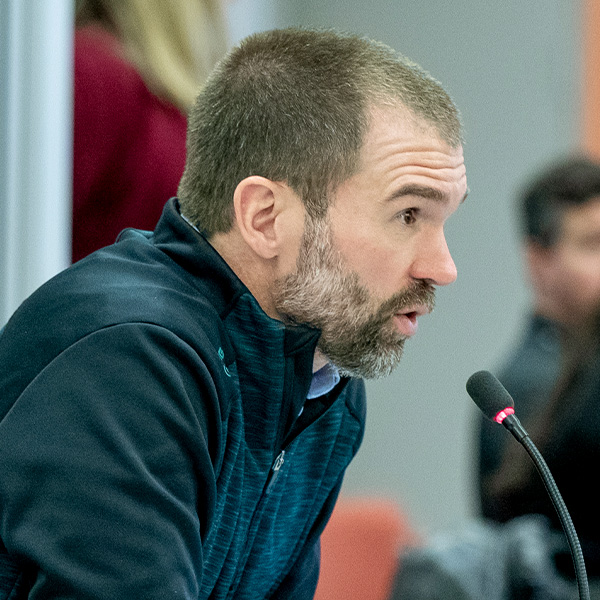
PJM and stakeholders laid out their initial thoughts on the structure of the in-development reliability backstop procurement as the RTO looks to meet a September target set out by the White House and all 13 member states’ governors.
CEC
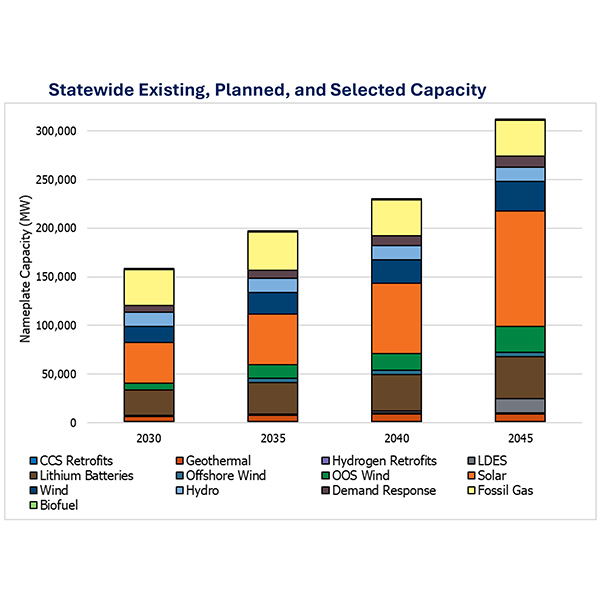
Solar and wind resources could generate up to 85% of California’s electricity by 2045, according to a report being drafted by the energy commission.
Dominion Energy
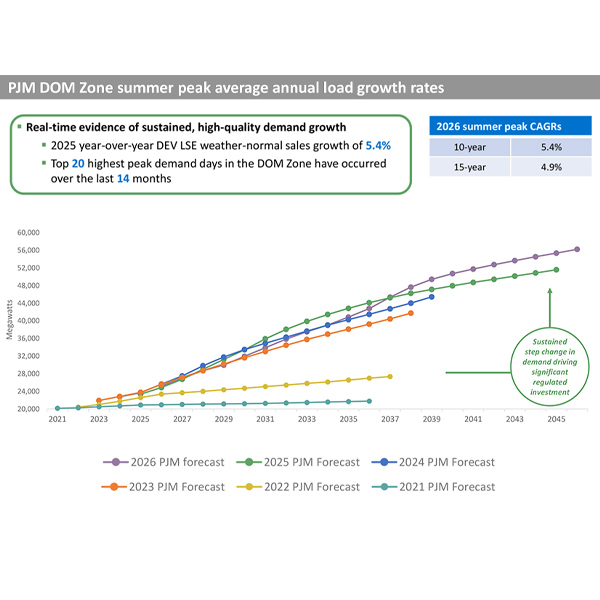
Dominion Energy updated analysts on its efforts to complete a major offshore wind project and to meet rising demand from data centers on its fourth-quarter earnings call.
EIA
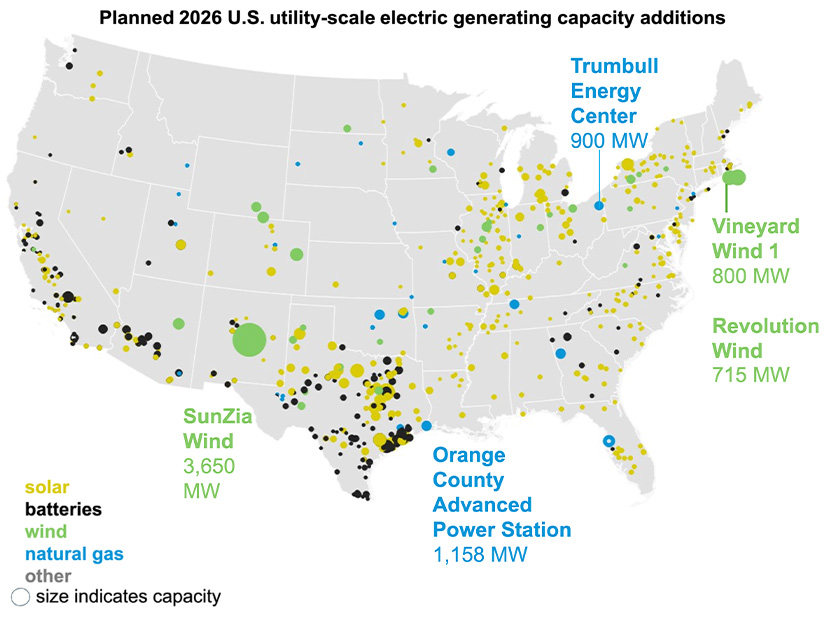
The EIA released a report that said a record 86 GW of utility-scale capacity is projected to be added to the grid in 2026, which if true, would far outpace the 53 GW of capacity added in 2025.

© RTO Insider
ERCOT says the critical path for a successful Batch Zero NPRR relies on a series of approval votes in May before the changes go to the board in June.
Want more? Advanced Search