Electric Reliability Council of Texas (ERCOT)
AEP
AEP tells financial analysts that load growth, driven by commercial customers in its service territory, presents opportunities to invest in “critically needed” infrastructure.
ERCOT
ERCOT stakeholders endorsed a protocol change that creates a process to compensate market participants when a constrained management plan or switching instruction trips a generator that otherwise would have stayed online.
Admin Monitor
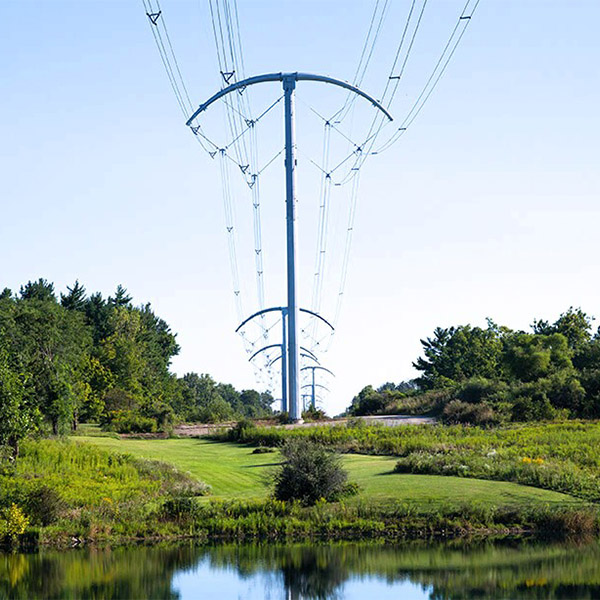
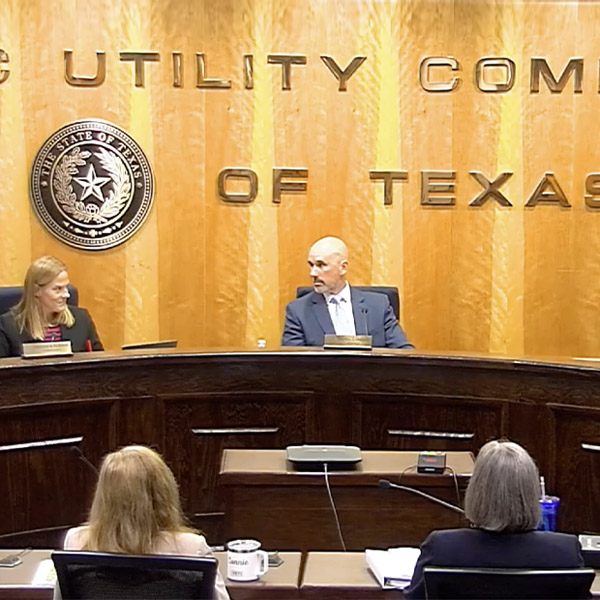
The Texas Public Utility Commission approved a plan that allows ERCOT to authorize the region’s first extra-high-voltage transmission lines and meet the petroleum-rich Permian Basin’s rapidly growing power needs.
Aurora Energy Research
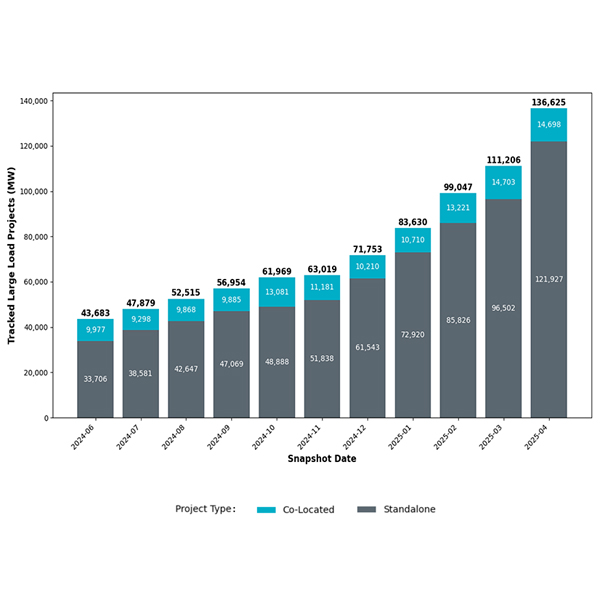
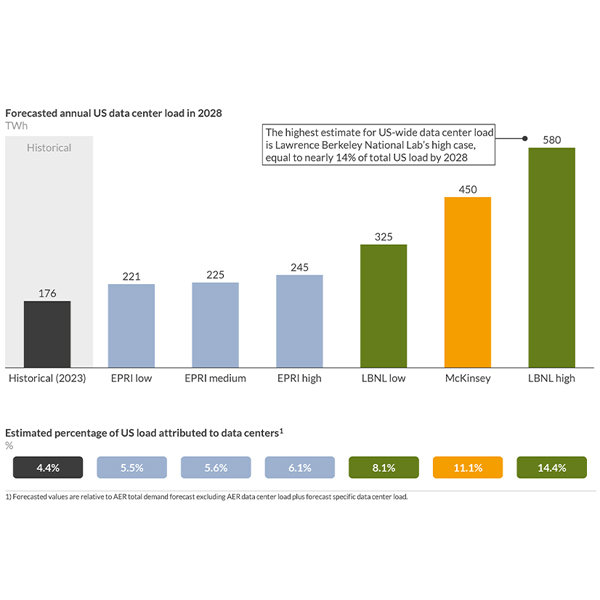
Columnist Peter Kelly-Detwiler writes about the explosion of data center load requests and the enormous risks to utilities and ratepayers of overbuilding assets.

© RTO Insider
Rapid demand growth within ERCOT was a major point of discussion at the Gulf Coast Power Association's recent Spring Conference.
Texas RE
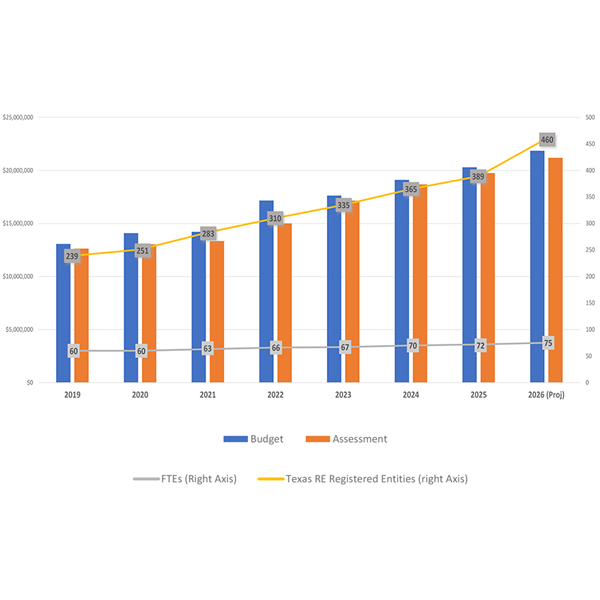
The Texas Reliability Entity’s Member Representatives Committee has unanimously approved the entity’s 2026 budget and business plan that is within 1% of previous projections, but at 6.4% increase over 2025.
ERCOT
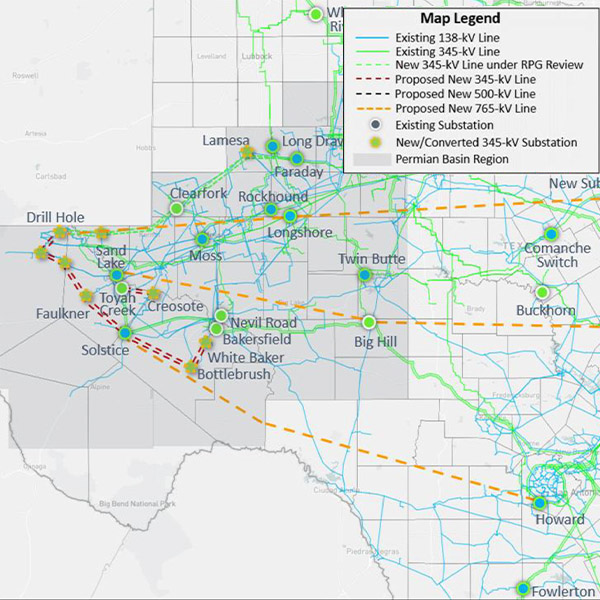
The Texas Public Utility Commission’s staff has recommended the commission approve the construction of three 765-kV transmission lines, rather than 345-kV, into the petroleum-rich Permian Basin to improve the region’s reliability.
NERC
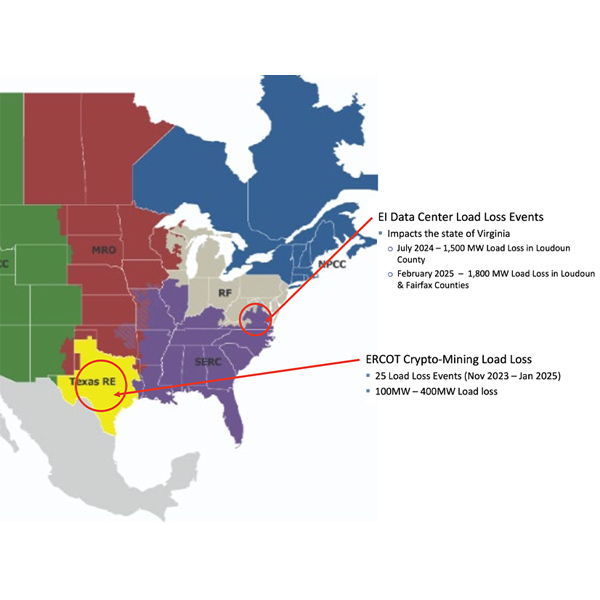
FERC heard details about recent reliability incidents caused by data centers tripping offline in Virginia and Texas and NERC's efforts to address them.
Lone Star Industrial Park
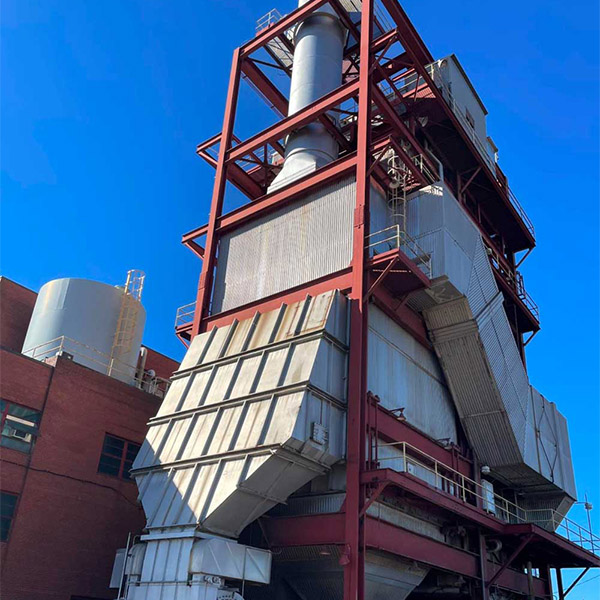
The troubled Texas Energy Fund has lost two more projects from its original list of applicants, raising questions about its ability to quickly add 10 GW of gas-fired dispatchable resources to the ERCOT grid.

© RTO Insider
ERCOT is poised to start testing real time co-optimization of energy and ancillary services in a few weeks and bring the change live this December, which will mark the biggest paradigm shift in Texas' wholesale markets in 15 years.
Want more? Advanced Search