Federal Energy Regulatory Commission (FERC)
The Federal Energy Regulatory Commission is an independent agency that regulates the interstate transmission of electricity, natural gas and oil; reviews proposals to build LNG terminals and interstate natural gas pipelines; and licenses hydropower projects. FERC also oversees operations of regional wholesale electricity and natural gas markets and oversees the reliability of the bulk electric system.
Michels Corporation
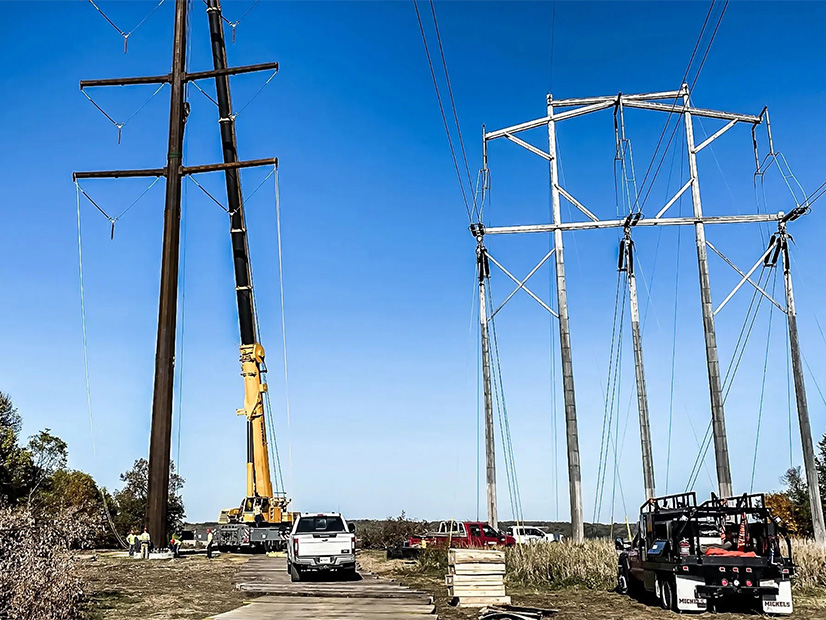
FERC’s proposal to implement its backstop transmission siting authority from the Infrastructure Investment and Jobs Act ran into some opposition from states.
S&P Global Commodity Insights
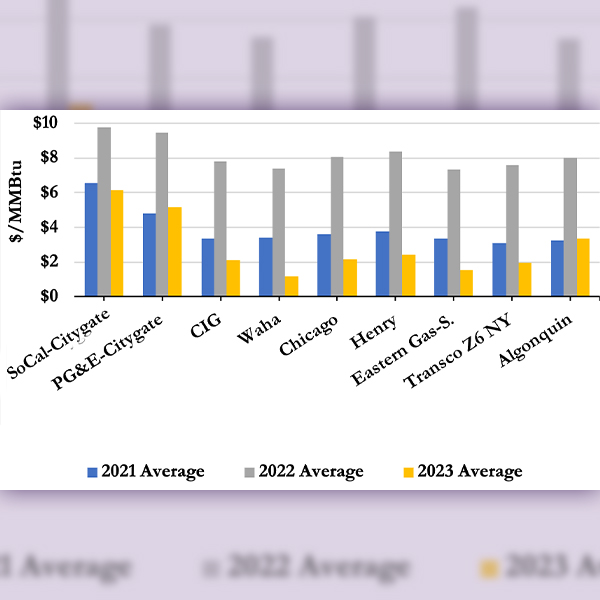
Falling natural gas prices and additional electric resources are among the bright spots in FERC’s Summer Energy Market and Electric Reliability Assessment.
Cleco
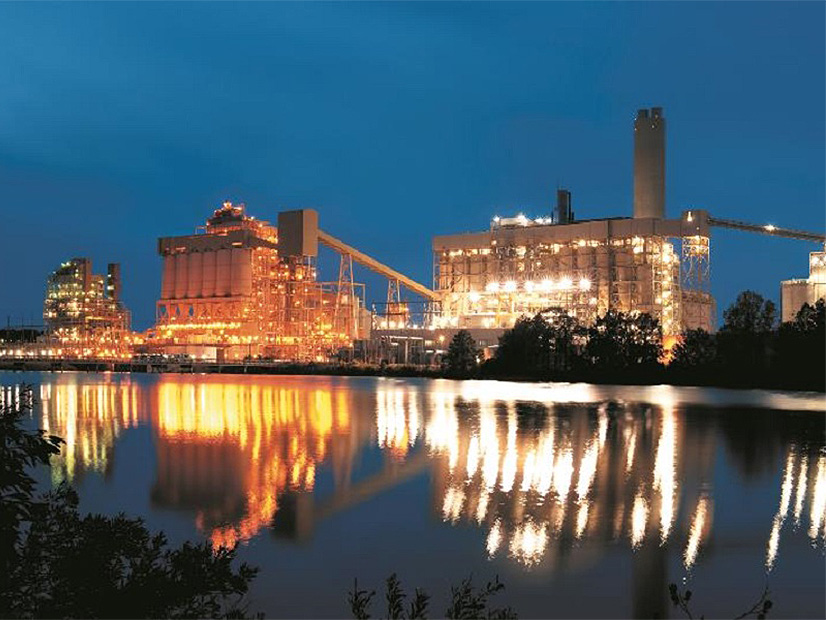
MISO still doesn’t have enough justification to institute a minimum capacity obligation, FERC decided last week.
Edison International
FERC approved CAISO’s second attempt at complying with the mandate requiring RTOs to foster participation of DER aggregations in organized markets.
FERC
FERC approves NERC’s inverter-based resources plan, proposed in February, and declines to include industry suggestions.
Grid Strategies
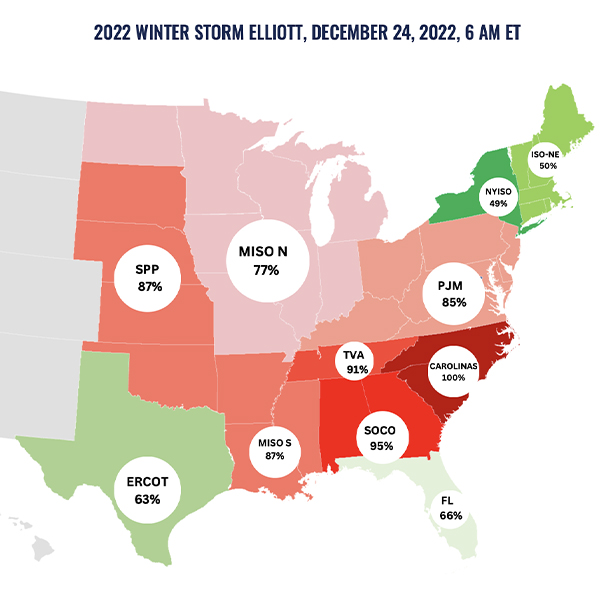
Parties filing comments with FERC on expanding interregional transfer capability mostly supported the concept, though opinions were split on how to get there.
Senate ENR Committee
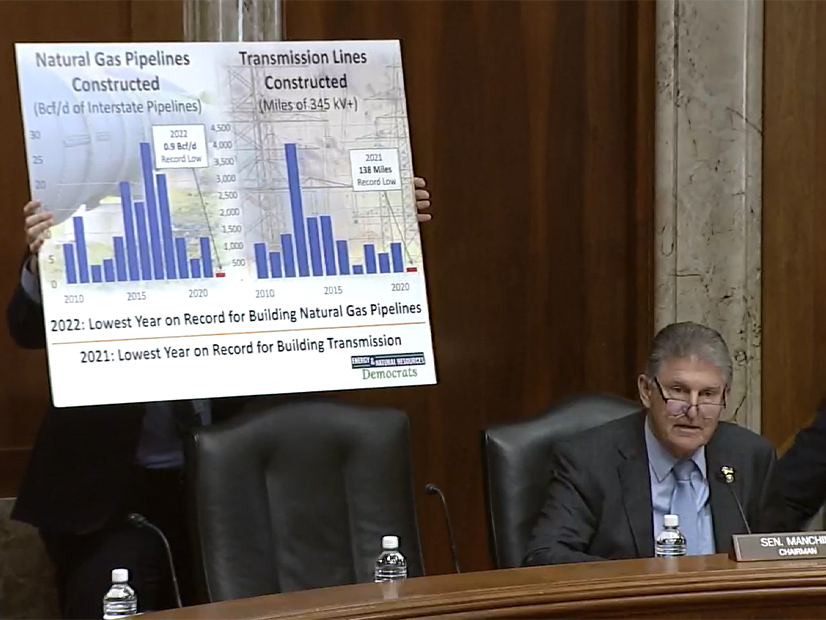
Sen. Joe Manchin called on colleagues to put politics aside and hammer out a bipartisan bill to accelerate permitting of energy and transmission projects.
NextEra Energy Resources
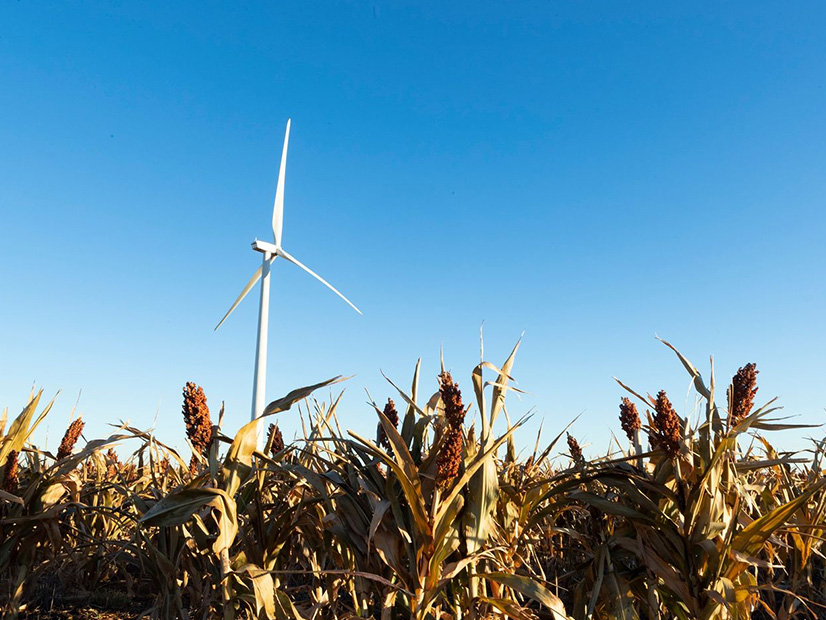
FERC accepted an unexecuted facilities service agreement between SPP, Southwestern Public Service and Ponderosa Wind, finding it to be just and reasonable.
© RTO Insider LLC
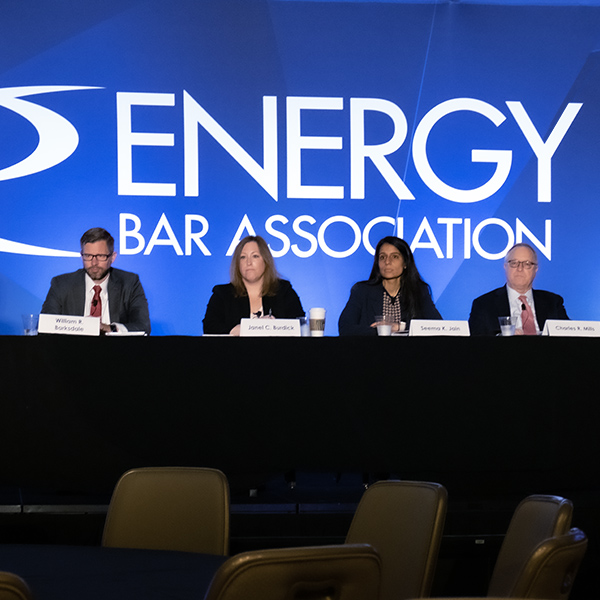
FERC’s enforcement powers have been impacted by recent court cases, and the commission itself has some new priorities, experts said at an EBA panel Friday.
© RTO Insider LLC
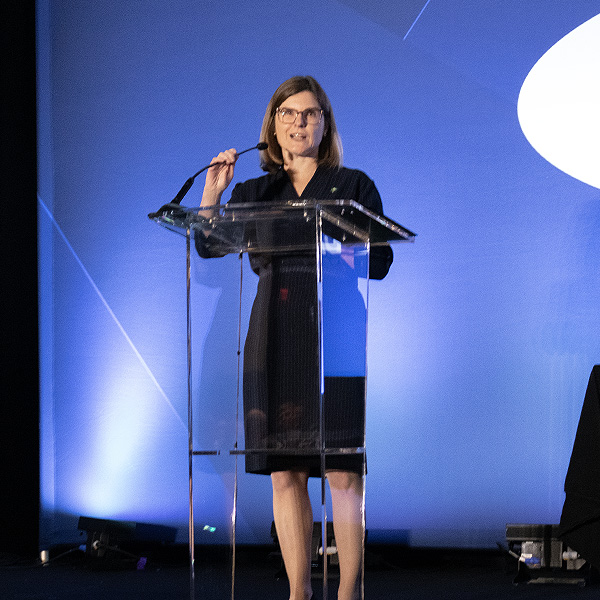
Utility regulators should not view planning for the grid’s transition as a political act, FERC Commissioner Allison Clements told the EBA's annual meeting.
Want more? Advanced Search