Federal Energy Regulatory Commission (FERC)
The Federal Energy Regulatory Commission is an independent agency that regulates the interstate transmission of electricity, natural gas and oil; reviews proposals to build LNG terminals and interstate natural gas pipelines; and licenses hydropower projects. FERC also oversees operations of regional wholesale electricity and natural gas markets and oversees the reliability of the bulk electric system.
© RTO Insider LLC
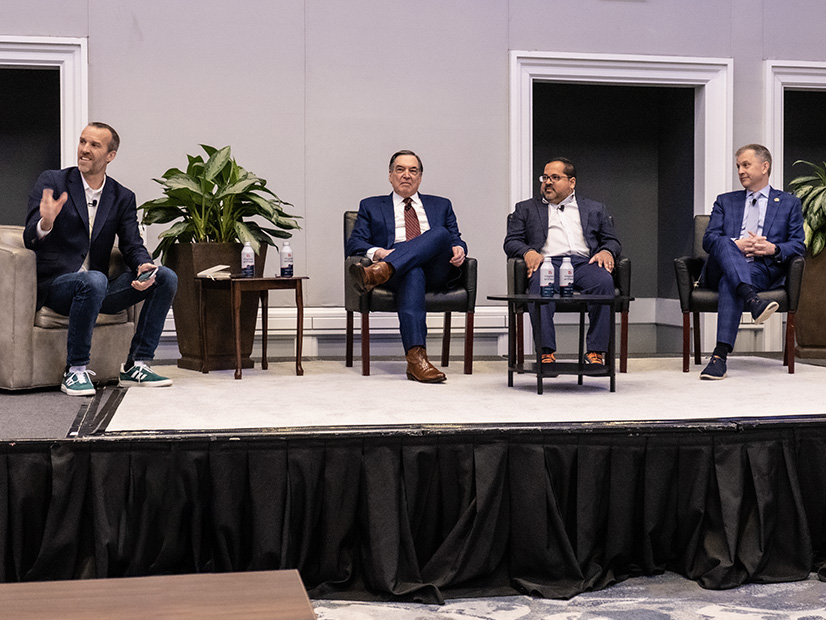
FERC has become too politicized and should use its independent authority to move the electricity industry forward, two former commission chairs said.
HDR, Inc.
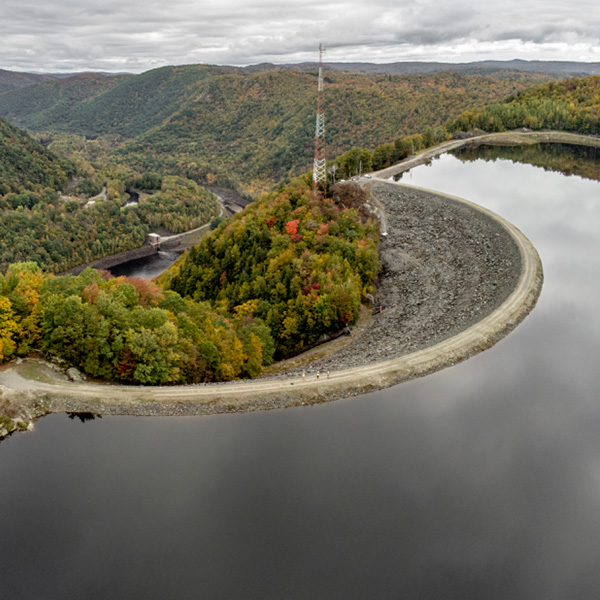
FERC rejected a request to include pump storage in ISO-NE’s Inventoried Energy Program despite protests that it should be treated like other storage resources.
AEE
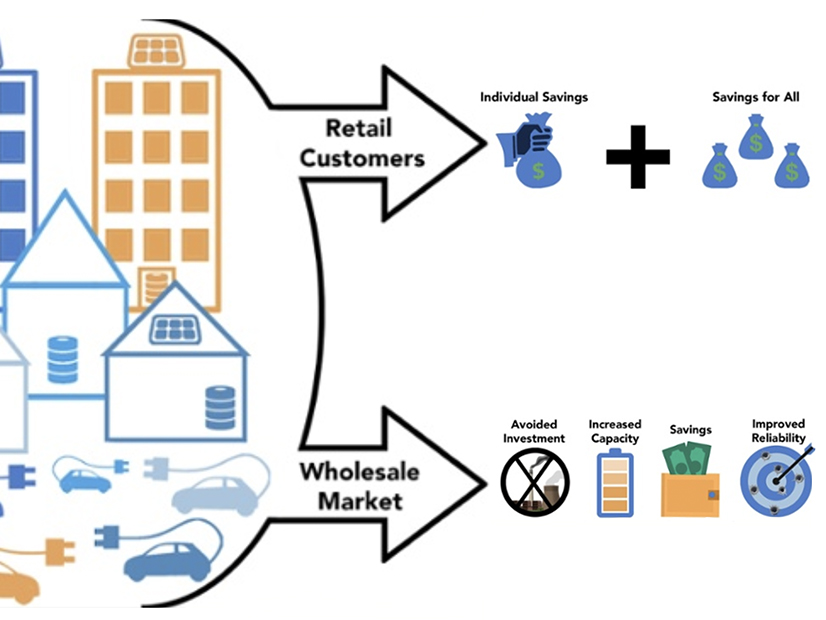
FERC partially accepted NYISO’s second compliance filing for Order 2222, directing the ISO to submit another within 30 days to correct inconsistencies.
NYPA
FERC approved the compliance filings of six transmission providers, including those of NYISO and CAISO, with Order 88.
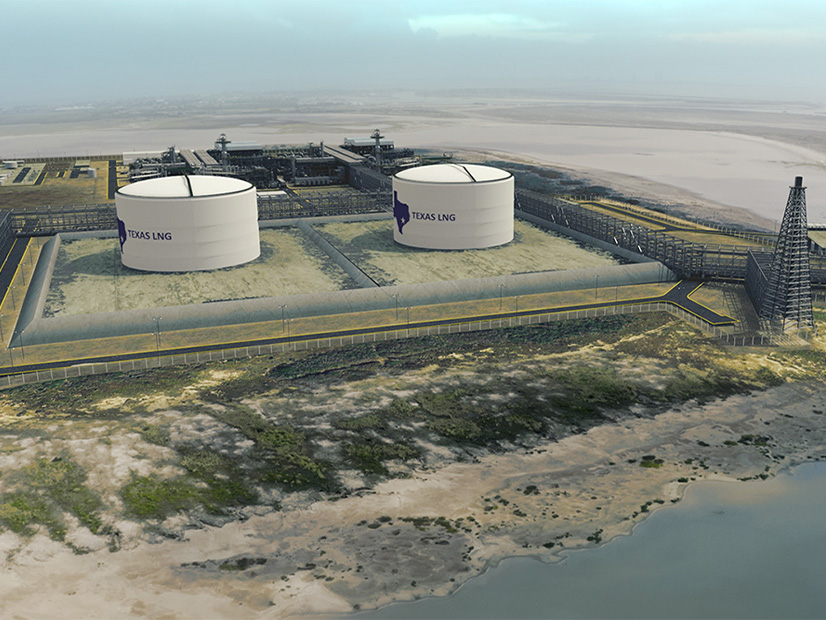
Texas LNG
The fate of 2 Texas LNG developments that had their approvals remanded to FERC drew out some disagreements among the regulators’ two Democrats in recent orders.
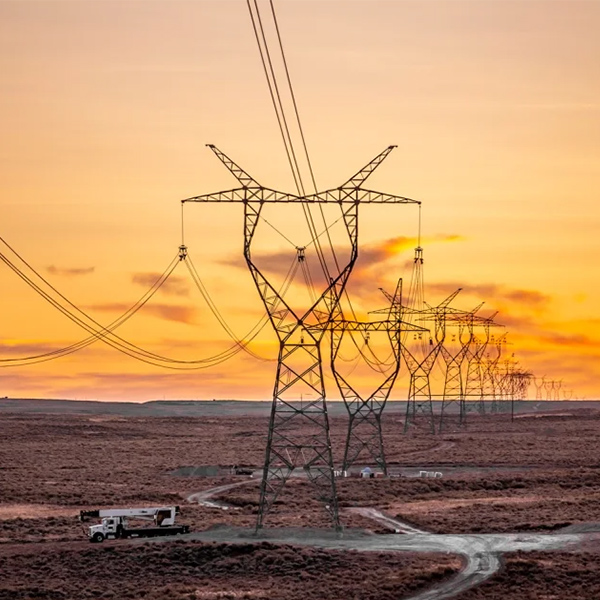
PacifiCorp
PacifiCorp’s transmission formula rate protocols lack transparency and may limit the ability of interested parties to review and challenge rates, FERC decided.
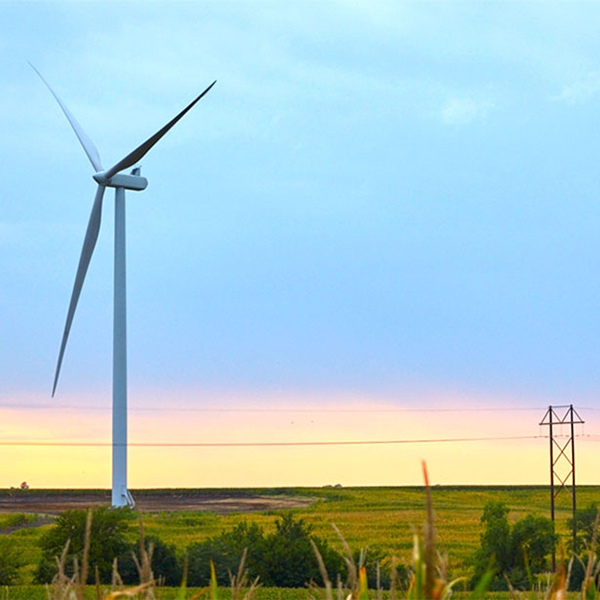
Mortensen Wind Energy Group
FERC denied Tenaska’s rehearing request over alleged curtailment of its Clear Creek Wind Farm, maintaining the company did not provide sufficient evidence.
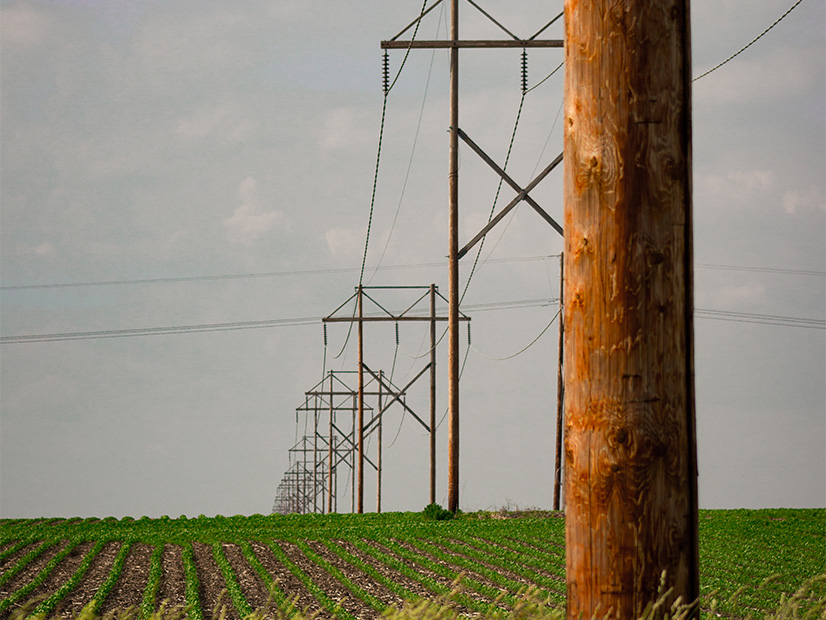
Shutterstock
FERC approved revised rate schedules for two American Electric Power affiliates in Ohio to remove their RTO participation adders.
MISO
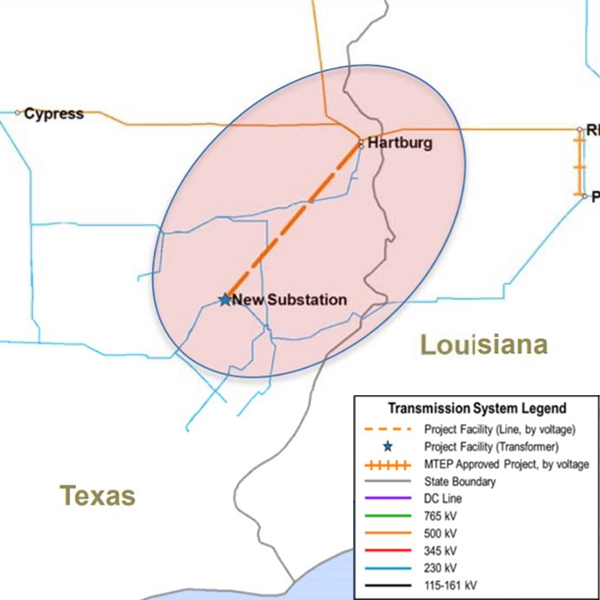
NextEra Energy is continuing its efforts to salvage the only competitive regional transmission project MISO has recommended in its South region.
Fore River Residents Against the Compressor Station
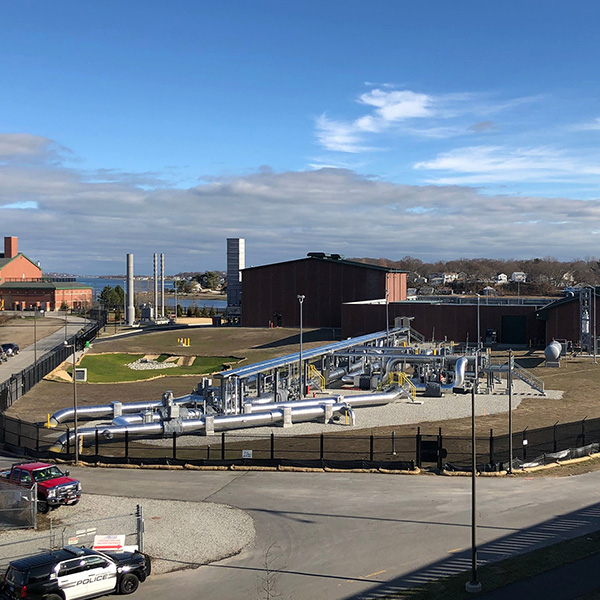
Opponents of a gas compressor made a long-shot bid to close the facility in oral arguments that focused on FERC’s handling of environmental justice concerns.
Want more? Advanced Search