Federal Energy Regulatory Commission (FERC)
The Federal Energy Regulatory Commission is an independent agency that regulates the interstate transmission of electricity, natural gas and oil; reviews proposals to build LNG terminals and interstate natural gas pipelines; and licenses hydropower projects. FERC also oversees operations of regional wholesale electricity and natural gas markets and oversees the reliability of the bulk electric system.
Shutterstock
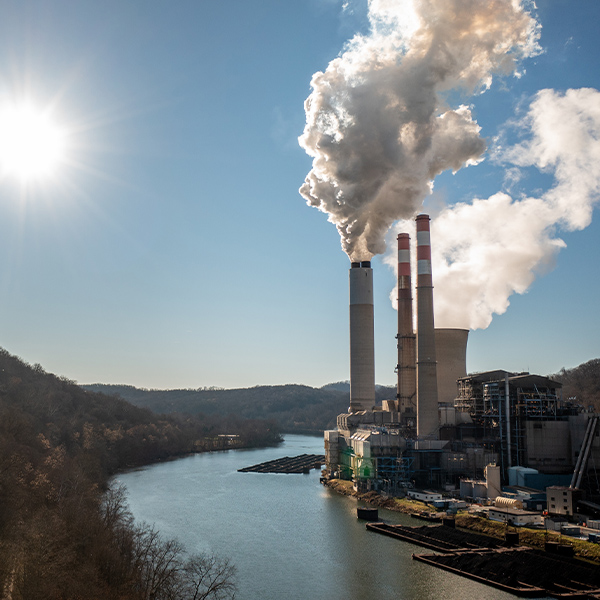
FERC approved a PJM proposal to overhaul how generators can represent variable operating and maintenance costs in their energy market offers.
FERC
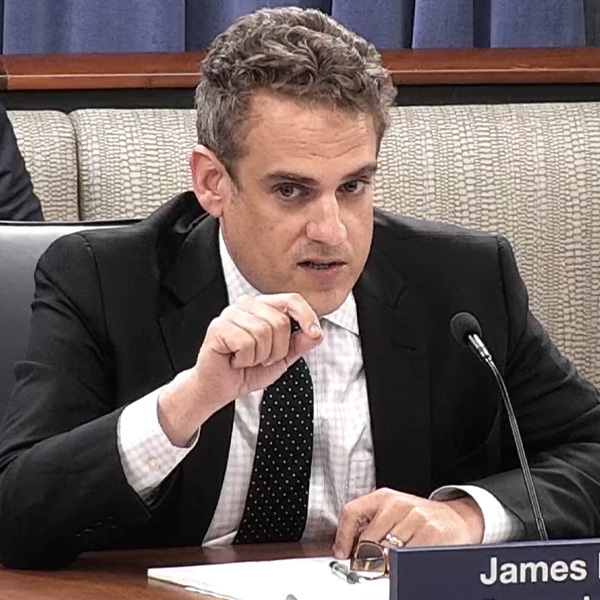
FERC took the last step in fulfilling its obligation to encourage voluntary investments in cybersecurity by electric utilities, as directed by Congress in 2021.

General Electric
FERC has rejected SPP tariff revisions that would help transmission owners continue to self-fund network upgrades to interconnect generators.
ESIG
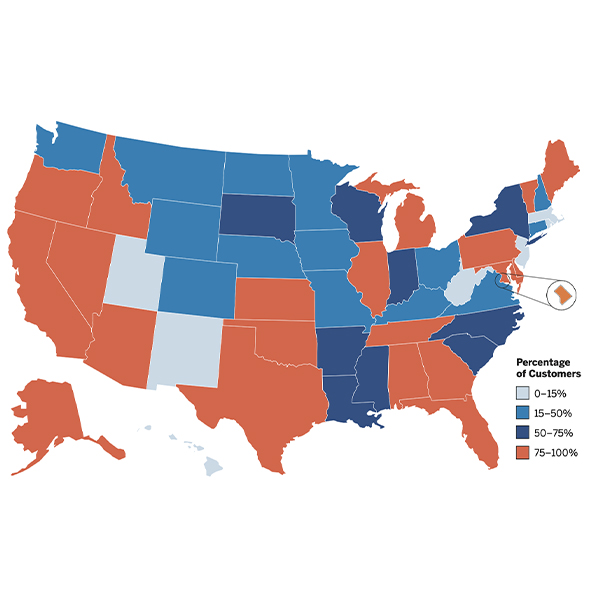
Price-responsive demand has long been supported by economists, but despite the significant investment in advanced meters, it has yet to take off.
© RTO Insider LLC
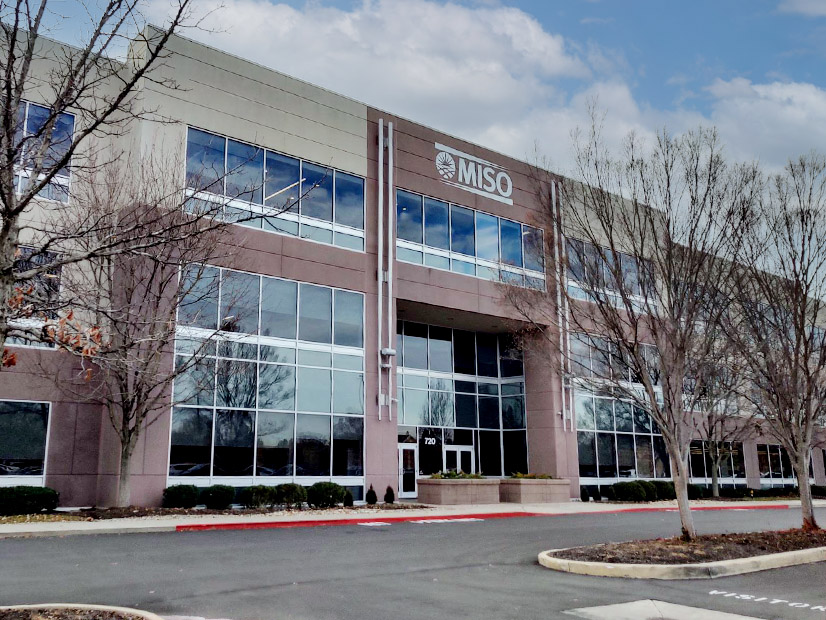
FERC approved MISO’s reworked ratio for use in its capacity auction a day before MISO began accepting offers on the postponed auction.
© RTO Insider LLC
FERC granted PJM’s request to terminate the membership of Hill Energy Resource & Services following the company’s failure to pay invoices on time in 2022.
FBI
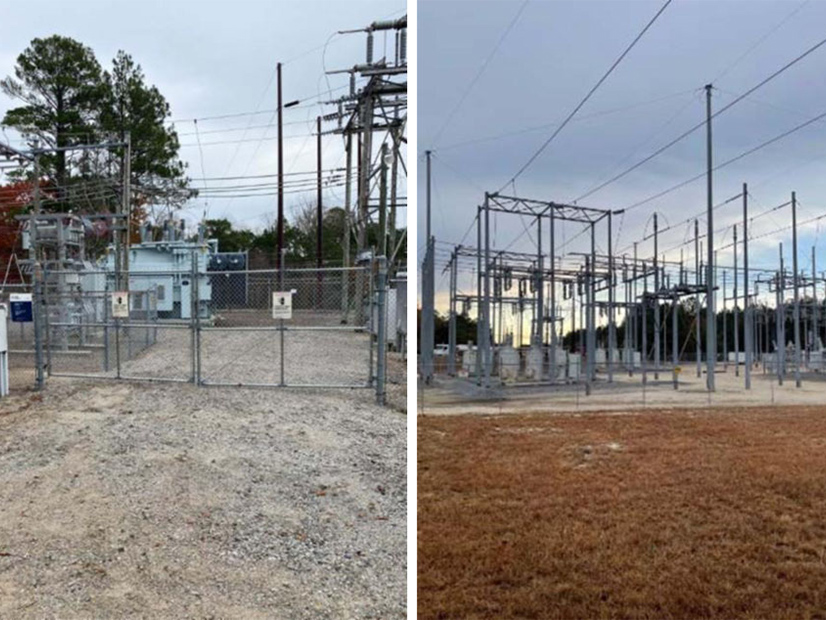
NERC will consider changes to its reliability standard for physical security in response to the threat of violence against grid assets.

© RTO Insider LLC
FERC commissioners weighed the pros and cons of Western regionalization, which one commissioner likened to dating, at the CREPC-WIRAB spring meeting in Nevada.
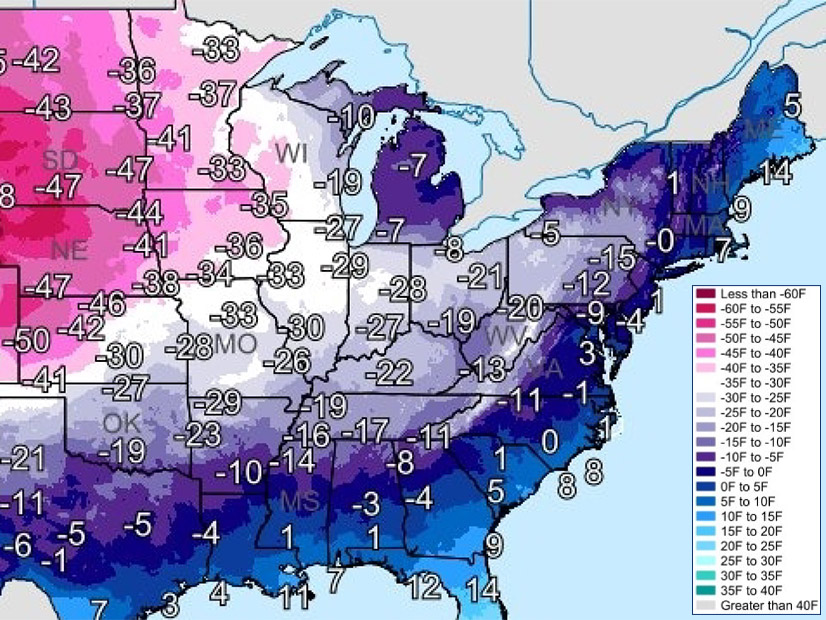
PJM asked FERC to initiate settlement judge procedures in its dispute with generators over nonperformance penalties for Winter Storm Elliott.

Electric cat, CC BY-SA 3.0, via Wikimedia Commons
AEP and Liberty Utilities have shelved their plans to exchange Kentucky Power for $2.6 billion, ending two years of attempts to gain approval.
Want more? Advanced Search