Federal Energy Regulatory Commission (FERC)
The Federal Energy Regulatory Commission is an independent agency that regulates the interstate transmission of electricity, natural gas and oil; reviews proposals to build LNG terminals and interstate natural gas pipelines; and licenses hydropower projects. FERC also oversees operations of regional wholesale electricity and natural gas markets and oversees the reliability of the bulk electric system.
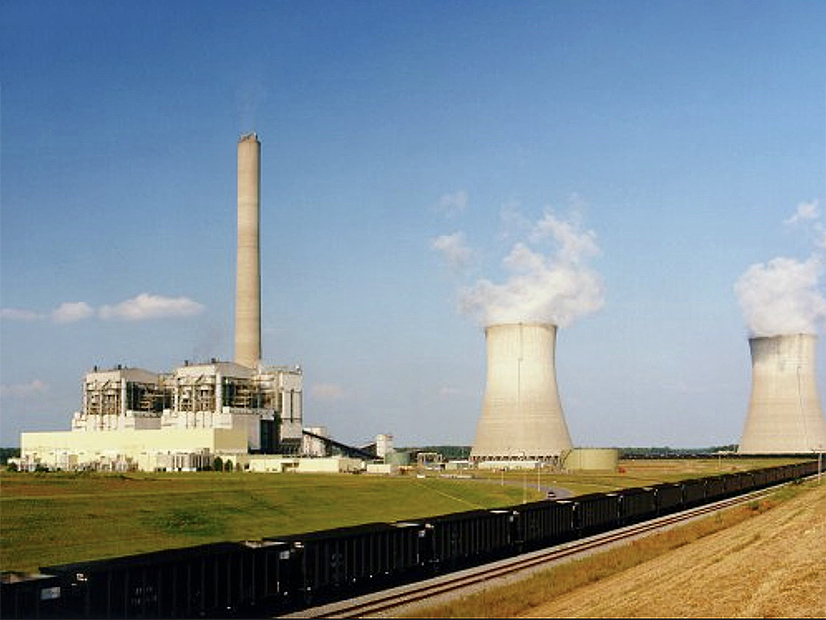
Entergy Arkansas
Entergy has asked FERC to exclude some of its power plants from rules contained in MISO’s new availability-based accreditation method.
NERC
NERC’s Standards Committee kept up momentum on the organization’s efforts to harden the electric grid against extreme cold.
© RTO Insider LLC
FERC approved PJM’s request to revise its capacity rules to avoid a fourfold price increase in DPL South, rejecting complaints of retroactive ratemaking.

Entergy
NextEra Energy Transmission and the Southern Renewable Energy Association are asking FERC to intervene in a last-ditch effect to save the only competitive transmission project ever approved for MISO South.
We Energies
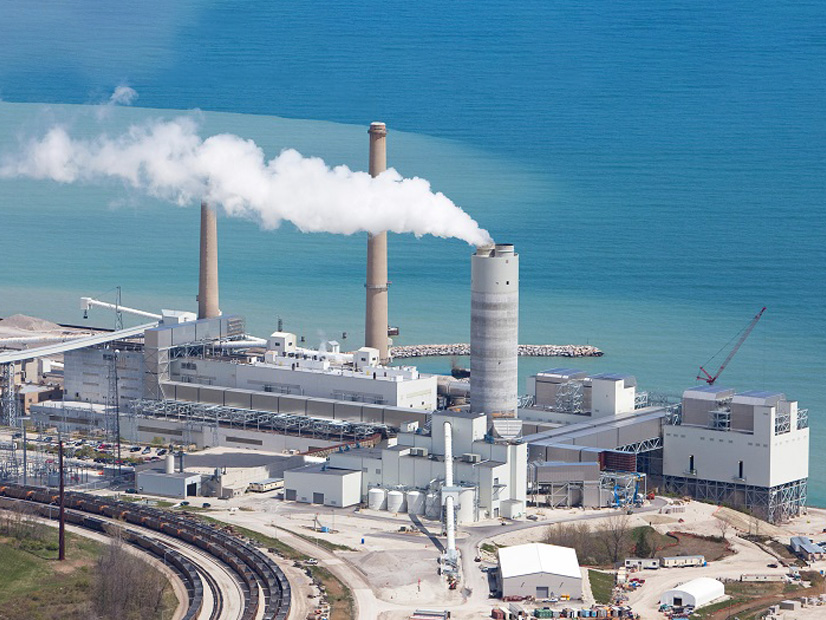
MISO can continue as planned with its seasonal capacity auction and availability-based resource accreditation, FERC ruled, rejecting rehearing requests.
Shutterstock
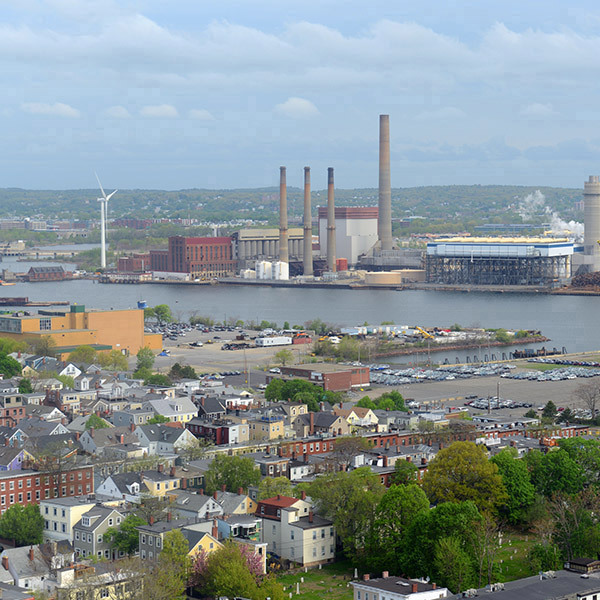
FERC dismissed a complaint that alleged ISO-NE has “undue preference” for gas generators in its capacity accreditation, operating reserve rules.
© RTO Insider LLC
FERC accepted revisions to PJM’s tariff that the RTO proposed via its Quadrennial Review of the parameters underlying its Reliability Pricing Model auctions.
FERC
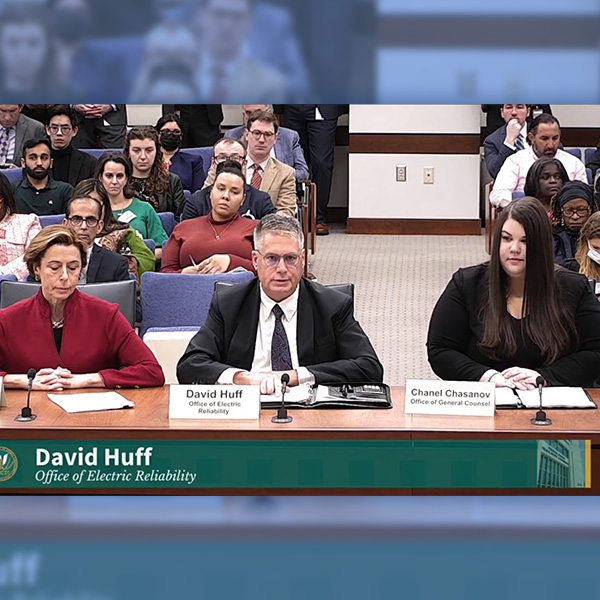
FERC ordered two new NERC reliability standards in response to the February 2021 winter storm that nearly led to the collapse of the Texas Interconnection.
Recurrent Energy
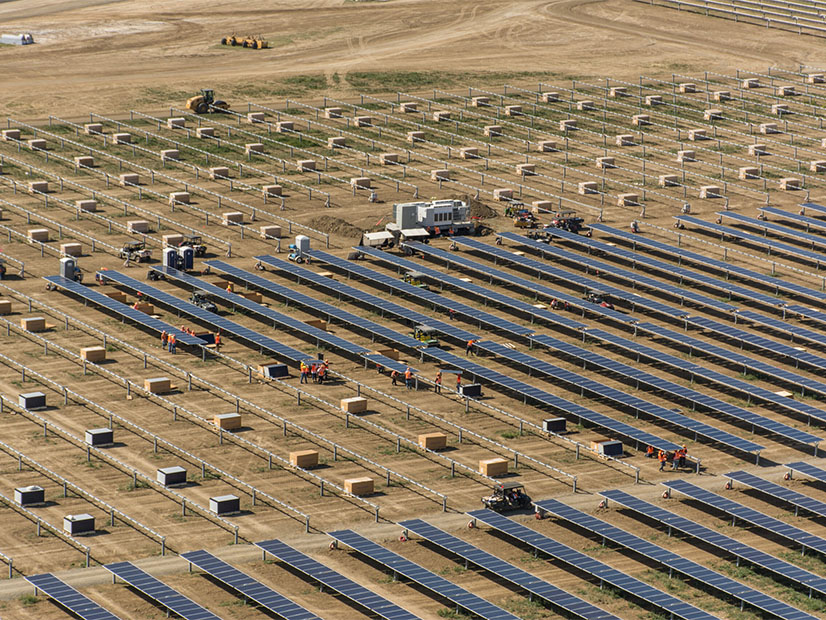
FERC granted an Oklahoma solar project an extension of its commercial operation deadline while rejecting an Illinois wind project’s waiver request.
© RTO Insider LLC
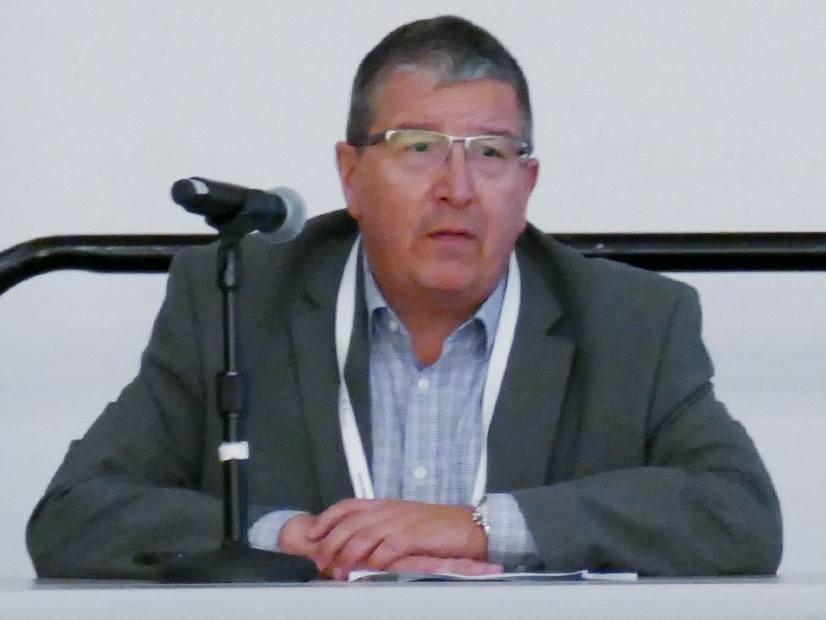
NERC's Manny Cancel and FERC's Joseph McClelland discussed the state of grid security at NARUC on Sunday.
Want more? Advanced Search