Federal Energy Regulatory Commission (FERC)
The Federal Energy Regulatory Commission is an independent agency that regulates the interstate transmission of electricity, natural gas and oil; reviews proposals to build LNG terminals and interstate natural gas pipelines; and licenses hydropower projects. FERC also oversees operations of regional wholesale electricity and natural gas markets and oversees the reliability of the bulk electric system.
Shutterstock
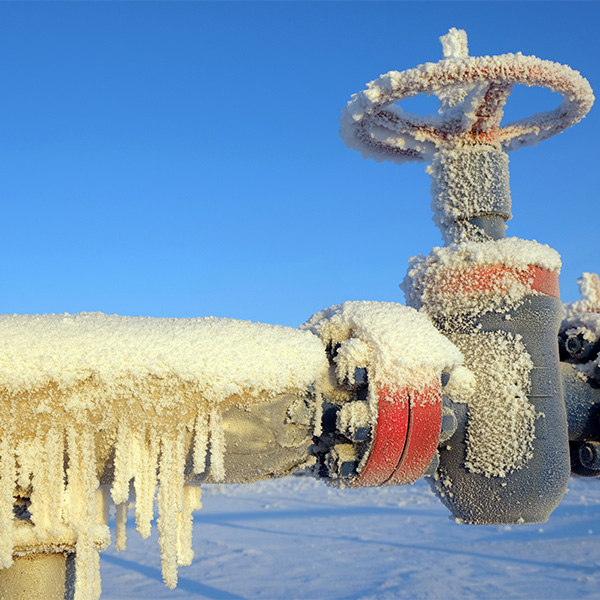
FERC and NERC continue to gather information from utilities, generators and grid operators on maintaining electric reliability during severe cold weather.
© RTO Insider LLC
Cost allocation negotiations for the second half of MISO’s long-range transmission planning heated up over whether generators should bear a portion of costs.
Americans for a Clean Energy Grid
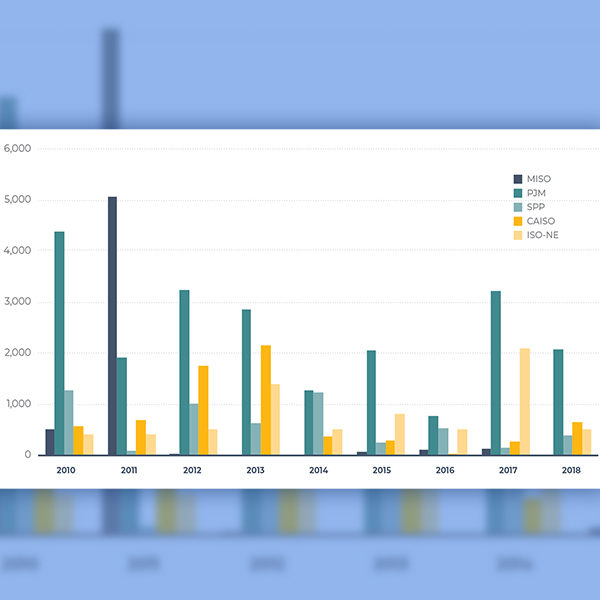
FERC’s transmission planning NOPR has won wide praise, but the consensus proposal also represented a retreat on efforts to open development to competition.

Office of Governor Charlie Baker
Massachusetts broke from NESCOE's stance on the elimination of ISO-NE's MOPR, saying the rule should be disposed of as soon as possible, without any delay.
© RTO Insider LLC
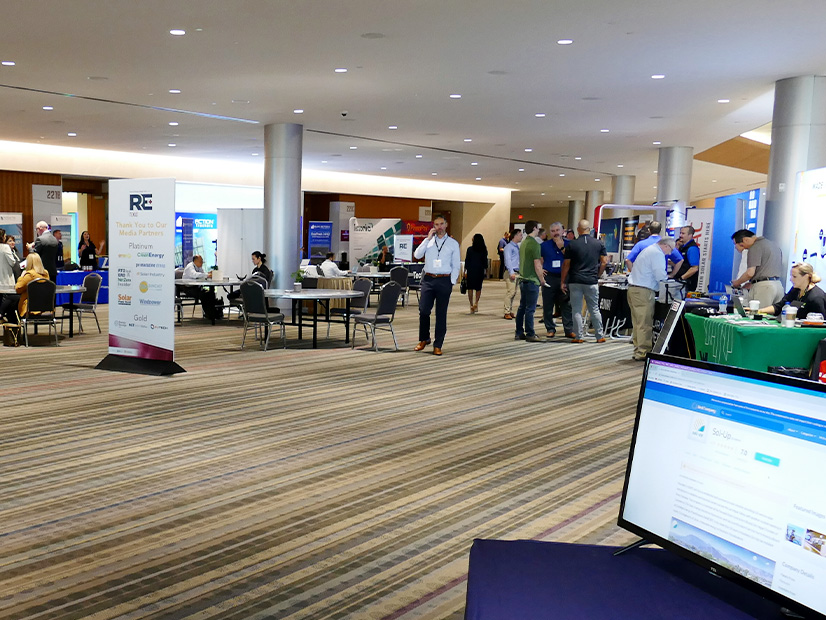
The RE+ Texas conference drew hundreds of renewable energy experts to the state that leads in wind production and may soon lead in solar energy too.
Tri-State G&T
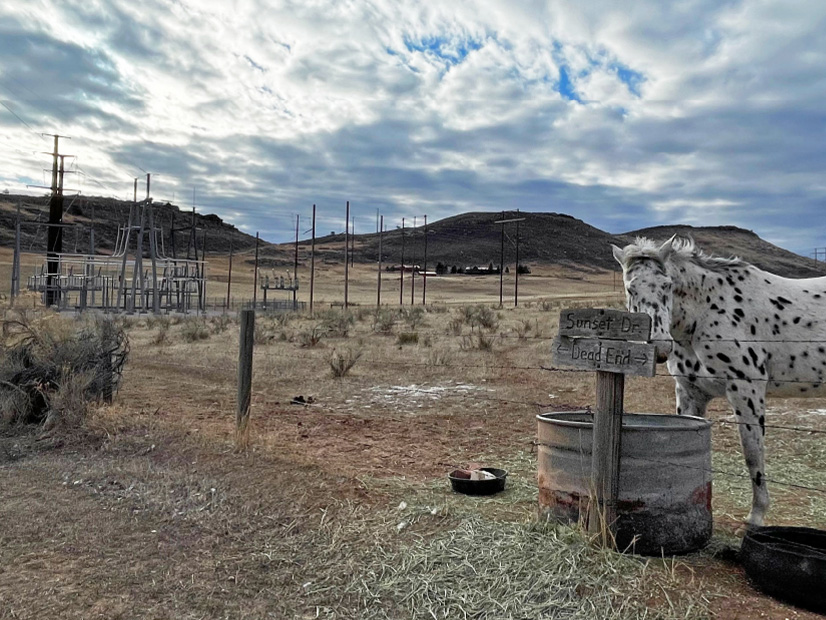
FERC rejected United Power’s request to provide Tri-State Generation and Transmission Association with a nonbinding, conditional withdrawal notice.
Shutterstock
FERC ordered six more entities to refund the premiums they earned from sales into CAISO during the severe heat wave of August 2020.
© RTO Insider LLC
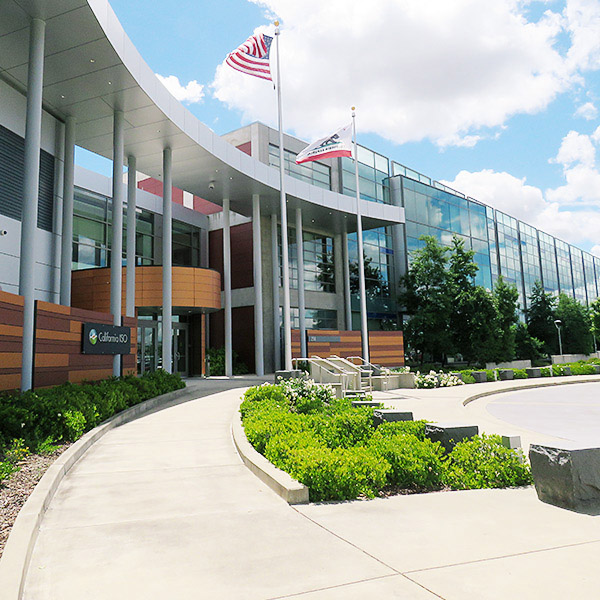
FERC reversed a decision that allowed CAISO to include an adder in the formula for offers that exceed the soft cap for its capacity procurement mechanism.
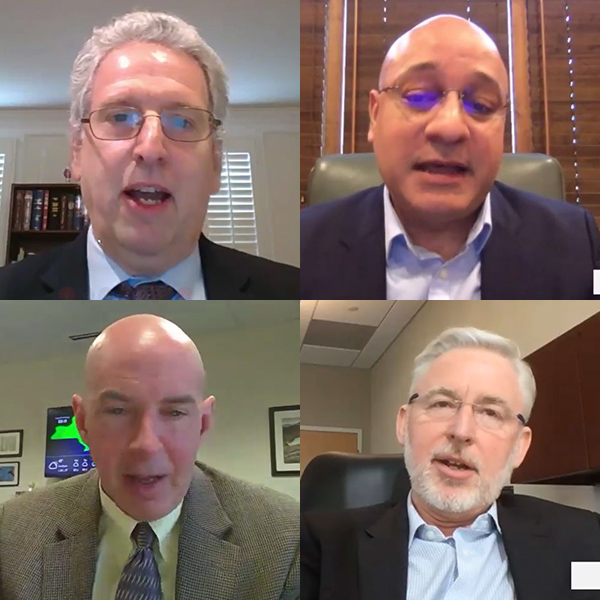
FERC ordered CAISO, ISO-NE, MISO, NYISO, PJM and SPP to report on how system needs are changing with their shifting resource mixes and how they will meet them.
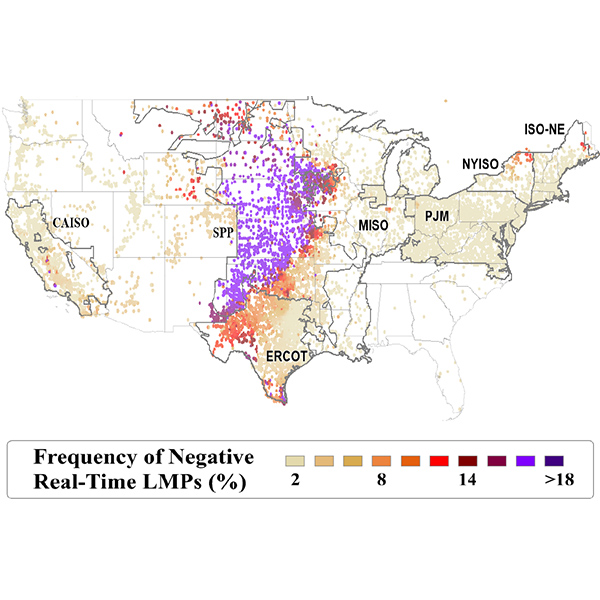
ABB Power Grids Velocity Suite
Rising natural gas prices and extreme weather pushed wholesale electricity prices higher in 2021, FERC said in its annual State of the Markets report.
Want more? Advanced Search