Federal Energy Regulatory Commission (FERC)
The Federal Energy Regulatory Commission is an independent agency that regulates the interstate transmission of electricity, natural gas and oil; reviews proposals to build LNG terminals and interstate natural gas pipelines; and licenses hydropower projects. FERC also oversees operations of regional wholesale electricity and natural gas markets and oversees the reliability of the bulk electric system.

© RTO Insider LLC
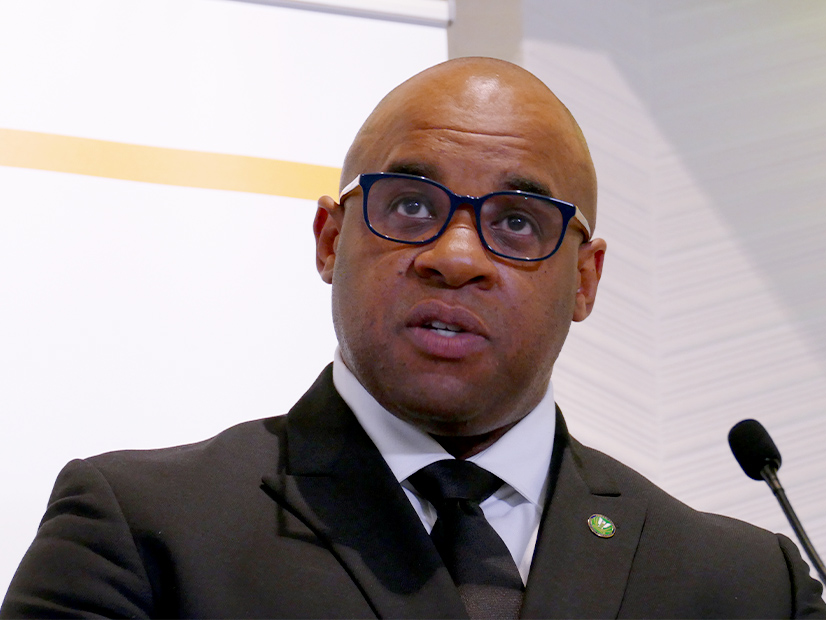
EPA Administrator Michael Regan is confident the electric power sector will continue cutting GHG emissions despite a challenge to the agency’s authority.
© RTO Insider LLC
FERC officials told the ACORE Policy Forum that RTO transmission planning rules must be revised to support reliability and the flood of renewable generation.
Texas RE
The Texas RE said staff maintained high-level operations across all program areas last year while functioning in a virtual work environment.

MISO
MISO’s ongoing market platform replacement project is focusing on a one-stop model manager, new energy management system and day-ahead market clearing engine.

SEEM
FERC turned down another set of challenges to the Southeast Energy Exchange Market filed by environmental, clean energy and consumer groups.
Pine Gate Renewables
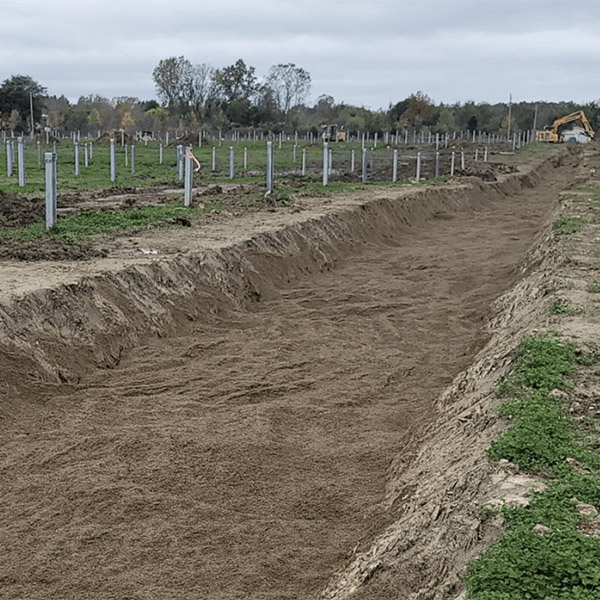
FERC said that Irradiant Partners, a new renewable energy investment firm, cannot cut corners when applying for qualifying facility statuses.
© RTO Insider LLC
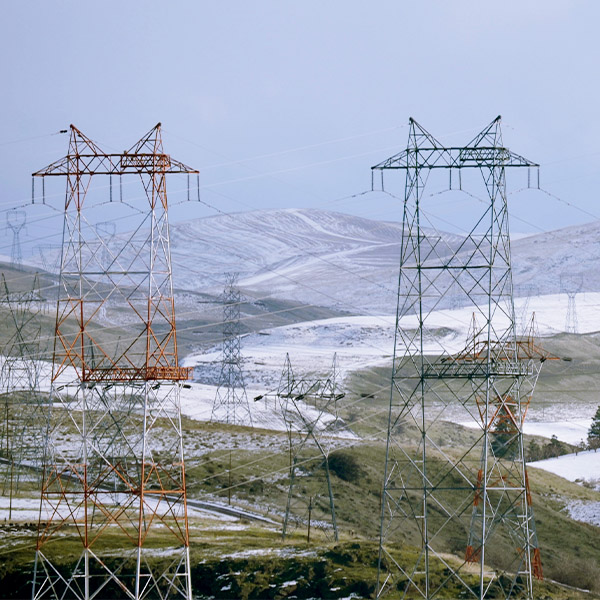
FERC approved the BPA’s proposed 2022 wholesale power and transmission rates — a formality by the commission that carries little weight under federal law.
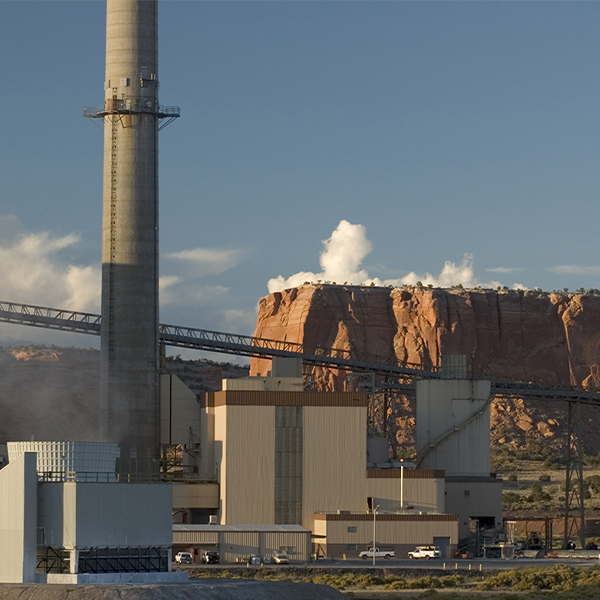
Tri-State Generation and Transmission
Sellers of spot electricity deliveries that exceed the Western price cap will now have more time to submit the FERC filing required to justify higher prices.
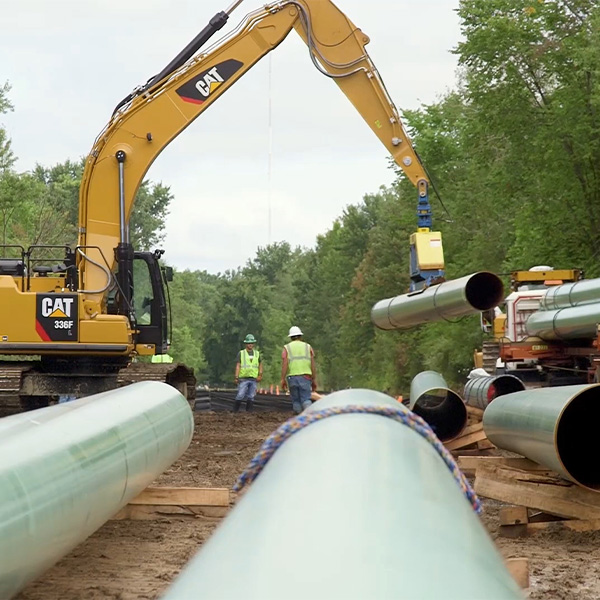
Consumers Energy
FERC walked back updates to how it considers natural gas infrastructure applications; the Democratic majority cited concern the updates created confusion.
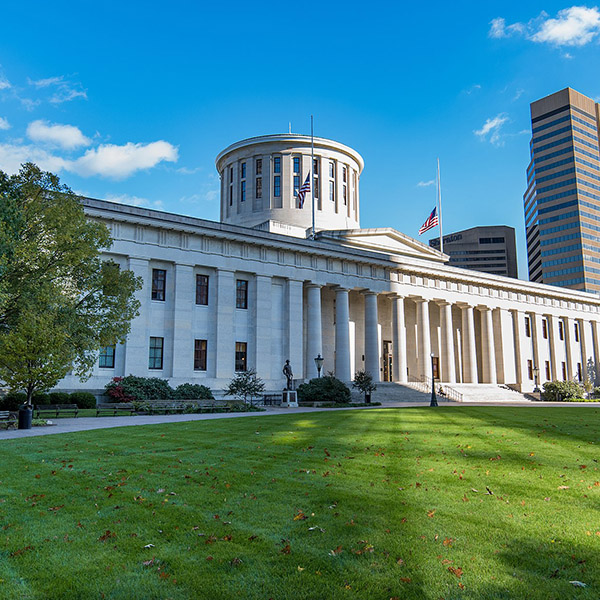
Ɱ, CC BY-SA 4.0, via Wikimedia Commons
PJM stakeholders in the RTO’s generator sector voiced frustration with FERC over recent decisions related to the capacity market to the Ohio Senate.
Want more? Advanced Search