Federal Energy Regulatory Commission (FERC)
The Federal Energy Regulatory Commission is an independent agency that regulates the interstate transmission of electricity, natural gas and oil; reviews proposals to build LNG terminals and interstate natural gas pipelines; and licenses hydropower projects. FERC also oversees operations of regional wholesale electricity and natural gas markets and oversees the reliability of the bulk electric system.
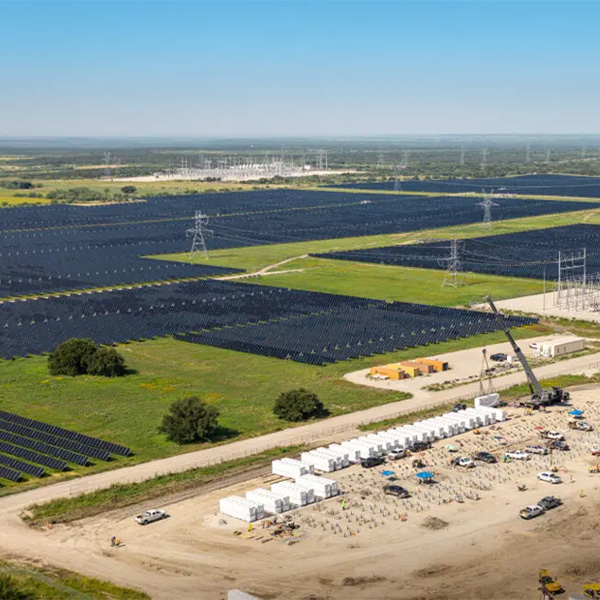
Intersect Power
"Deep, collaborative partnerships combined with creative problem-solving are the only way we can meet the explosion of AI growth, as well as society's accelerating electricity demand," said Sheldon Kimber, CEO of Intersect Power.
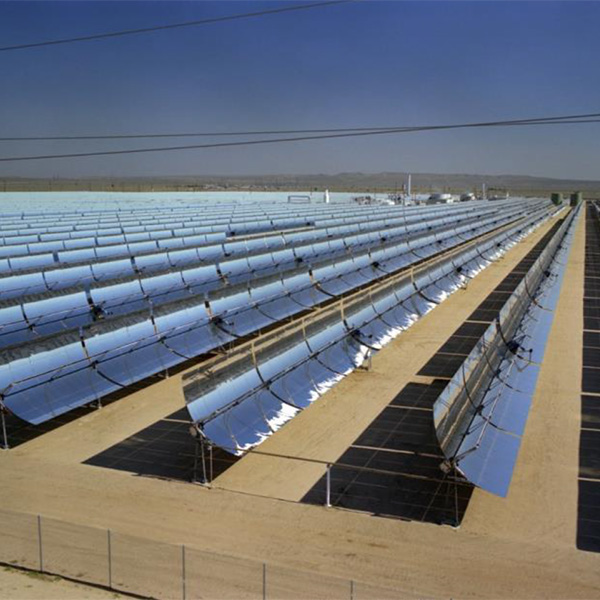
NREL
FERC approved fines on Sonoran West Solar Holdings for submitting misleading initial state of charge values that led to undue bid cost recovery payments.
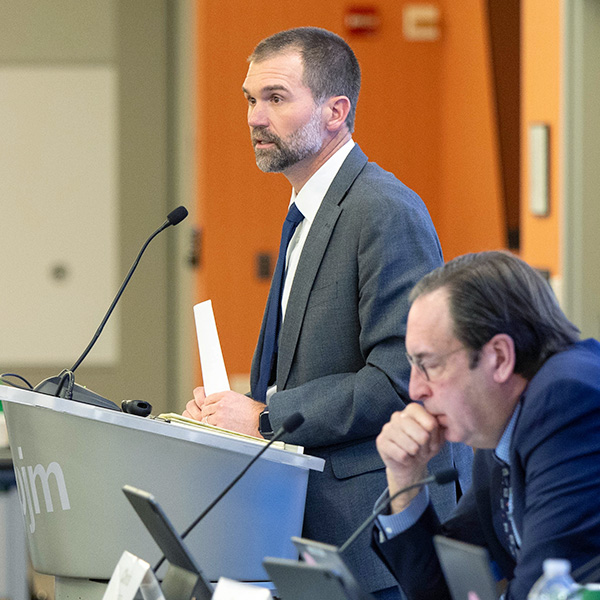
© RTO Insider LLC
PJM's Adam Keech told the Market Implementation Committee the RTO plans to file governing document revisions with FERC to expand the requirement that resources must offer into the capacity market to also apply to all resources holding capacity interconnection rights.

PJM
FERC's Office of Enforcement and PSE&G reached an agreement imposing a $6.6 million penalty on the utility over allegations it provided PJM with inaccurate information about the condition of a transmission line in New Jersey.
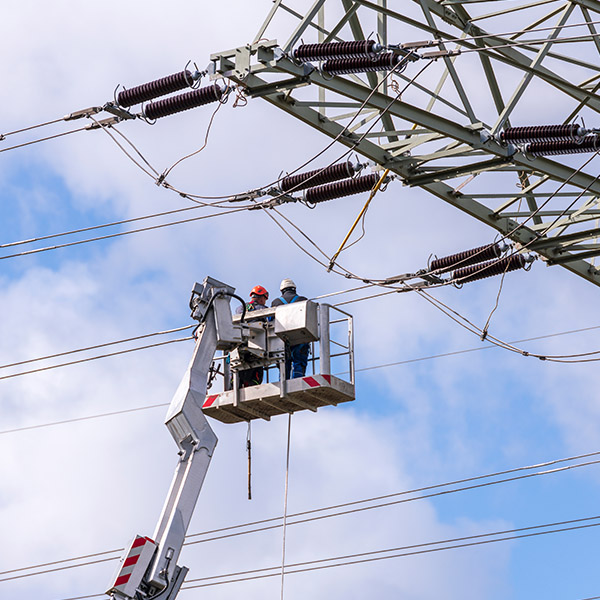
Shutterstock
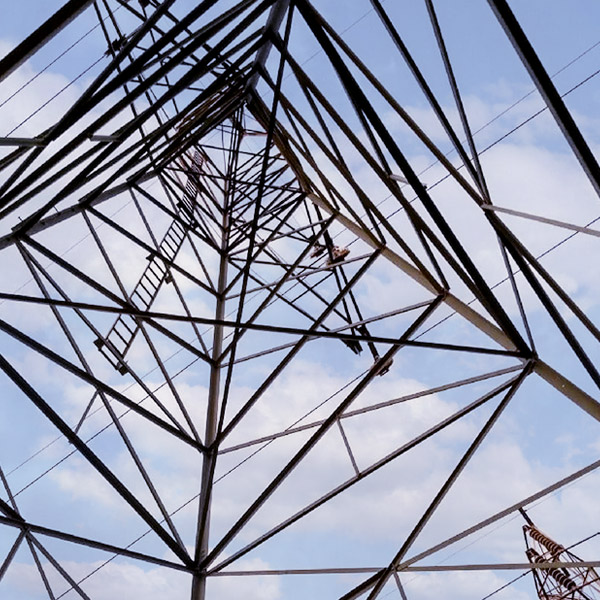
FERC rejected proposals from PJM and its transmission owners that would have changed regional planning, by moving those rules to the tariff from the operating agreement, while also giving transmission owners more authority over the process.
© RTO Insider LLC
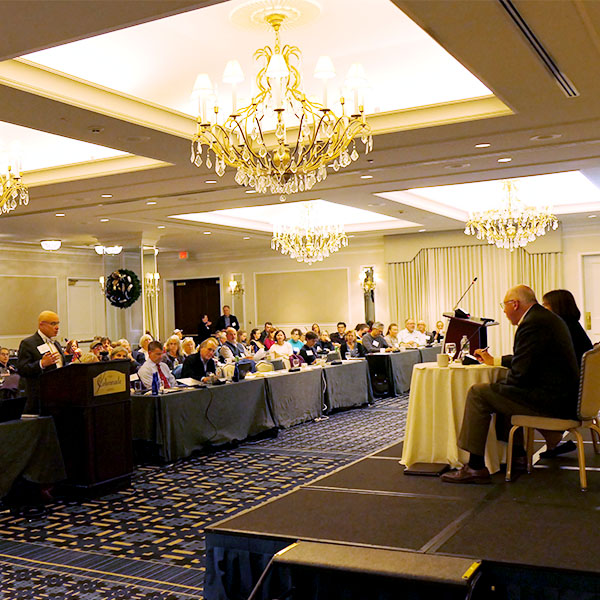
Former FERC commissioners discussed Order 1920-A and its accommodations to states, which could complicate compliance processes but also lead to more support for expanding the grid.
© RTO Insider LLC
At ISO-NE's quarterly Consumer Liaison Group meeting, climate activists asked board members to make all board meetings open to the public and advocated for more transparency into NEPOOL proceedings.
MISO
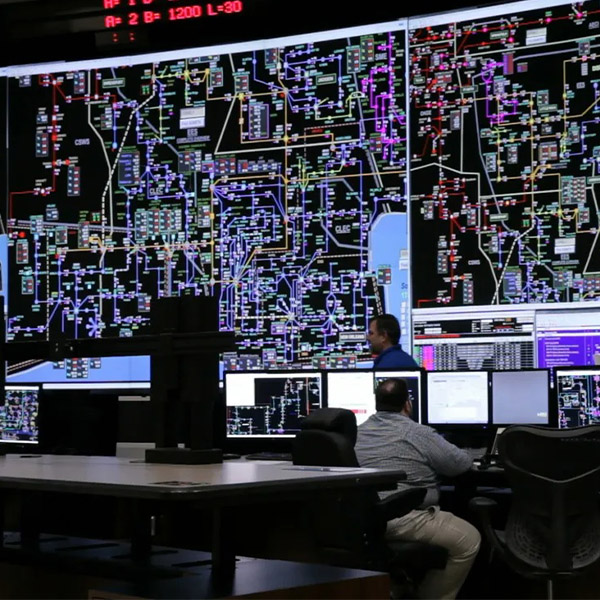
FERC ordered Ketchup Caddy and its owner to pay $27 million in penalties for dishonestly offering demand response services in MISO’s capacity market from 2019 to 2021.
© RTO Insider LLC
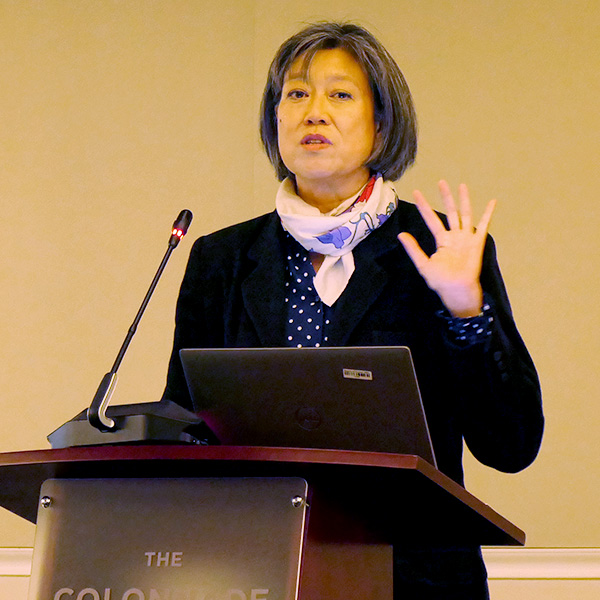
FERC Commissioner Judy Chang emphasized the importance of demand response, long-term transmission planning and gas-electric coordination in her address to the NEPOOL Participants Committee meeting.
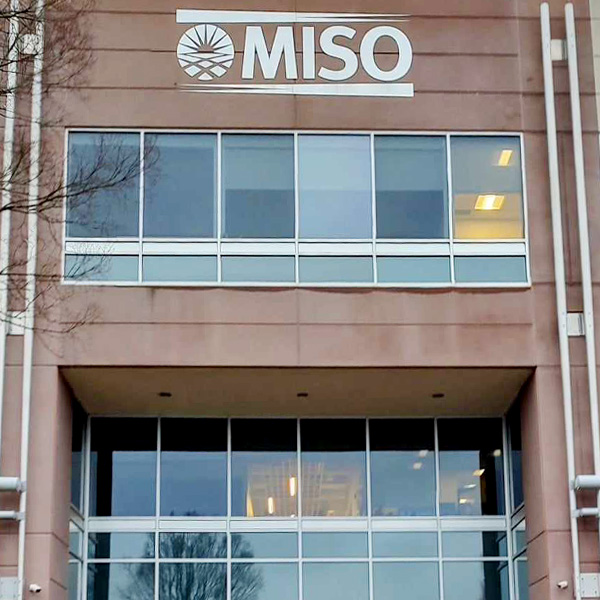
© RTO Insider LLC
FERC was not persuaded by environmental nonprofits, utilities nor Mississippi regulators to order MISO to rework the sloped demand curve it’s been cleared to use in the spring capacity auction.
Want more? Advanced Search