
Federal Energy Regulatory Commission (FERC)
The Federal Energy Regulatory Commission is an independent agency that regulates the interstate transmission of electricity, natural gas and oil; reviews proposals to build LNG terminals and interstate natural gas pipelines; and licenses hydropower projects. FERC also oversees operations of regional wholesale electricity and natural gas markets and oversees the reliability of the bulk electric system.
© RTO Insider
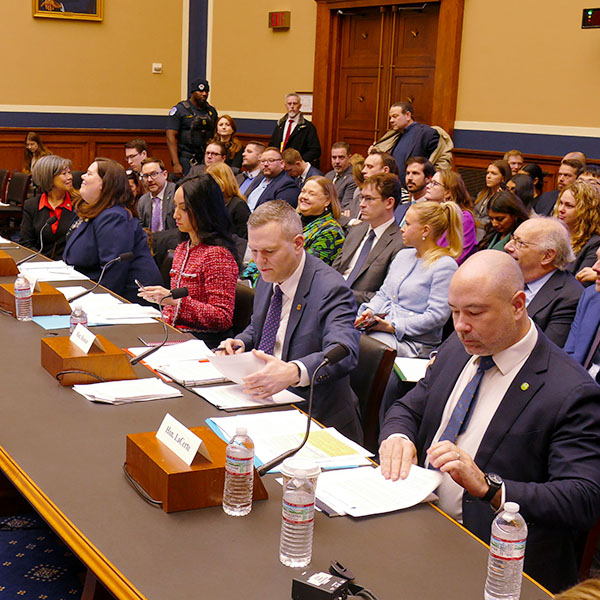
All five FERC commissioners faced questions from the House Energy and Commerce Subcommittee on Energy on how to balance reliability and affordability as demand grows.
Diego Delso, CC BY-SA 4.0, via Wikimedia Commons
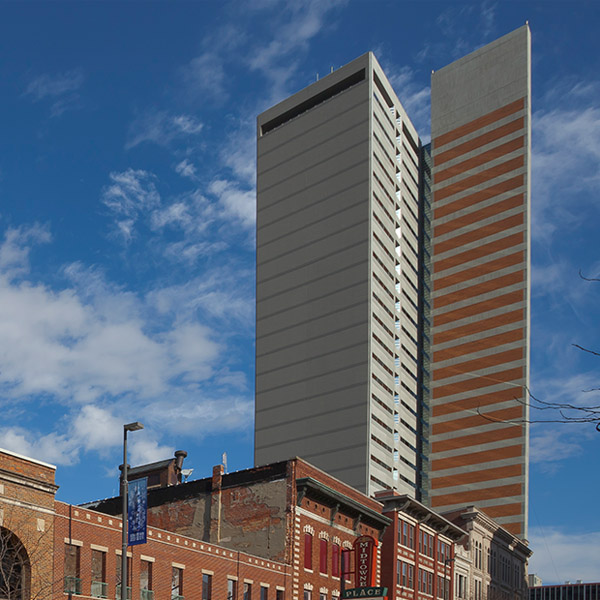
FERC approved two utilities' settlements with ReliabilityFirst for violations of NERC reliability standards covering protective relay settings.
Shutterstock
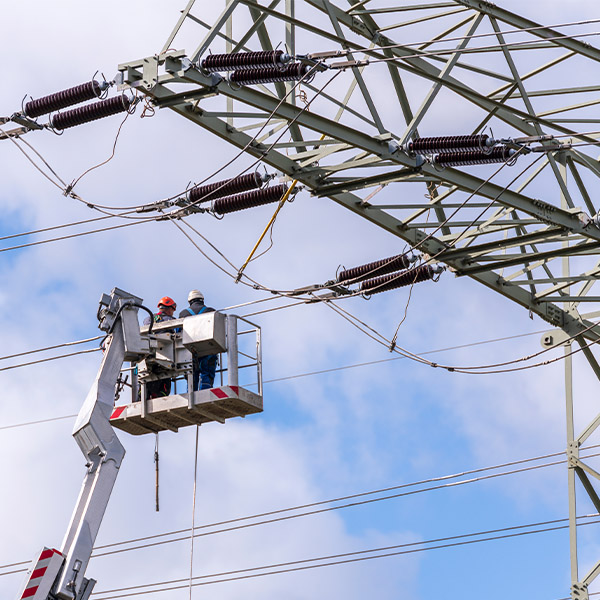
FERC approved revisions to PJM’s tariff to streamline the process for the owners of a deactivating resource to transfer its capacity interconnection rights to a new unit at the same point of interconnection.
SPP
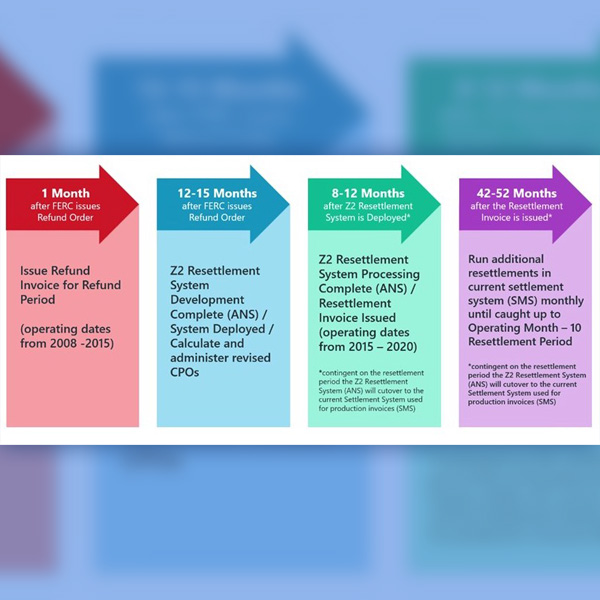
SPP staff say they are still waiting for an order from FERC before they can begin distributing millions in compensation to transmission upgrade sponsors from its beleaguered Attachment Z2 process and unwinding billions in settlements.
Walters Group
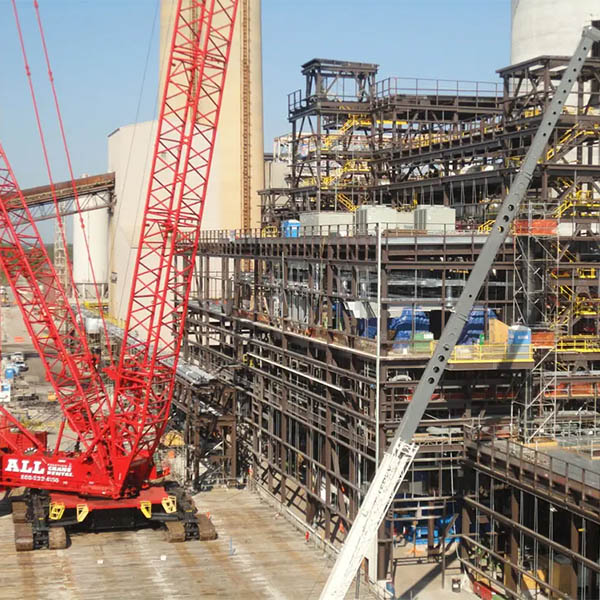
State regulators in MISO asked FERC to let power industry stakeholders determine how to allocate the costs for an Indiana coal plant forced to stay online by the Trump administration’s Department of Energy.
© RTO Insider
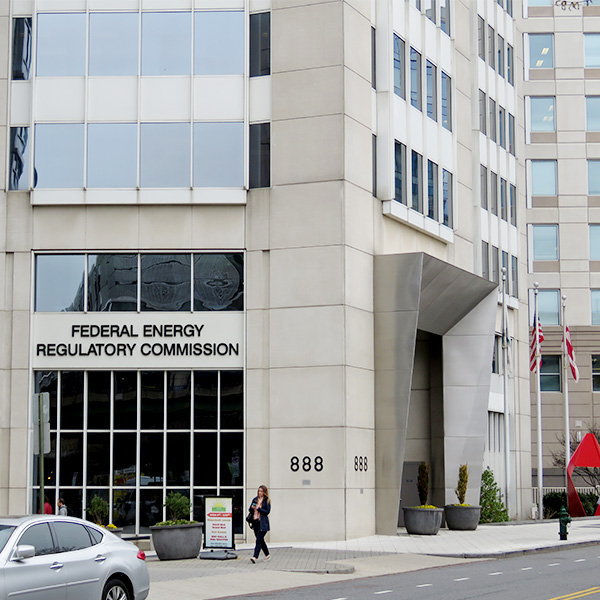
The Electricity Customers Alliance released a paper offering some potential ideas FERC could take up to ensure affordability in a era of major load growth.
Shutterstock
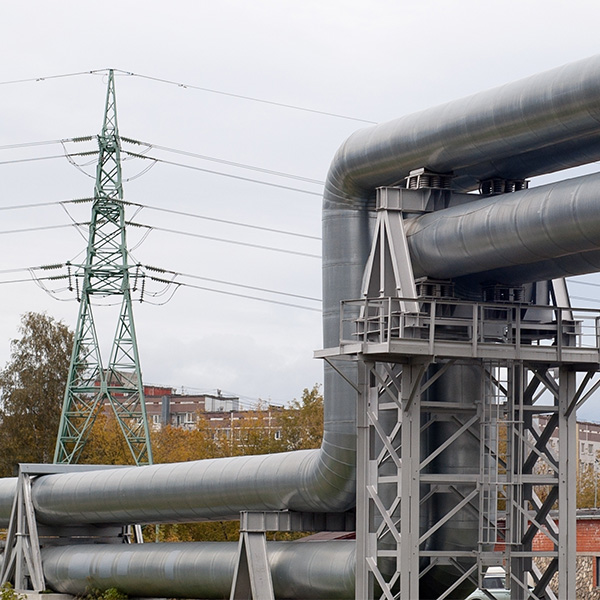
Commenters expressed support for FERC's proposal to adopt standards on gas-electric coordination, while suggesting further measures to promote electric reliability.
Ace Glass
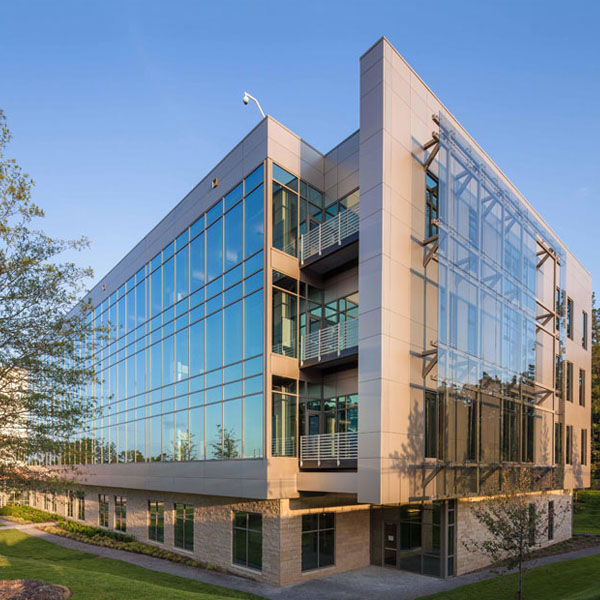
FERC rejected a rehearing request of its order approving SPP’s proposed one-time accelerated study of shovel-ready interconnection requests, sustaining its original 2025 decision.
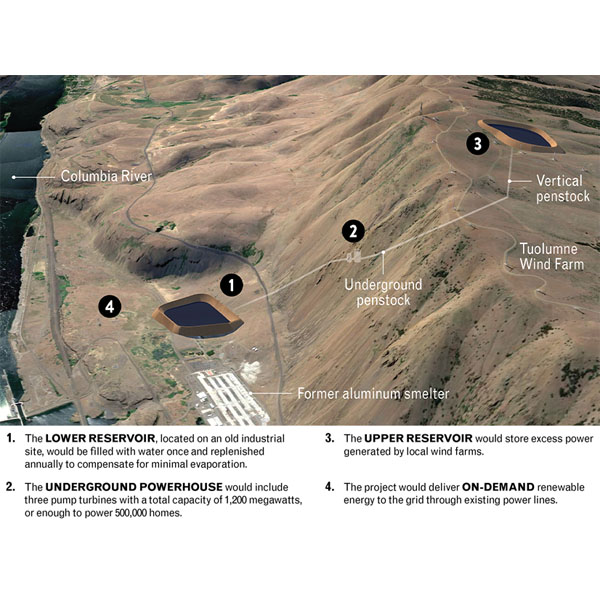
Goldendale Energy Storage LLC
FERC approved a 40-year license for a proposed 1.2-GW pumped hydroelectric storage facility near the city of Goldendale in Klickitat County, Wash.
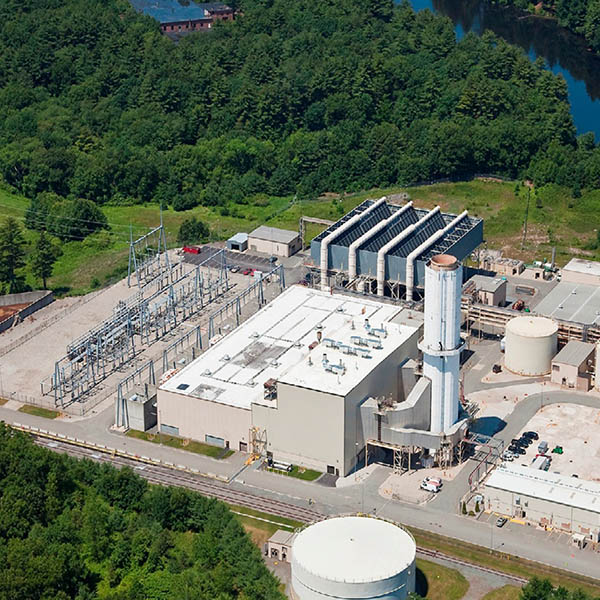
NextEra Energy
FERC partially granted a complaint by the New England Power Generators Association about the design of ISO-NE's Pay-for-Performance mechanism.
Want more? Advanced Search
