Federal Energy Regulatory Commission (FERC)
The Federal Energy Regulatory Commission is an independent agency that regulates the interstate transmission of electricity, natural gas and oil; reviews proposals to build LNG terminals and interstate natural gas pipelines; and licenses hydropower projects. FERC also oversees operations of regional wholesale electricity and natural gas markets and oversees the reliability of the bulk electric system.
DTE Energy
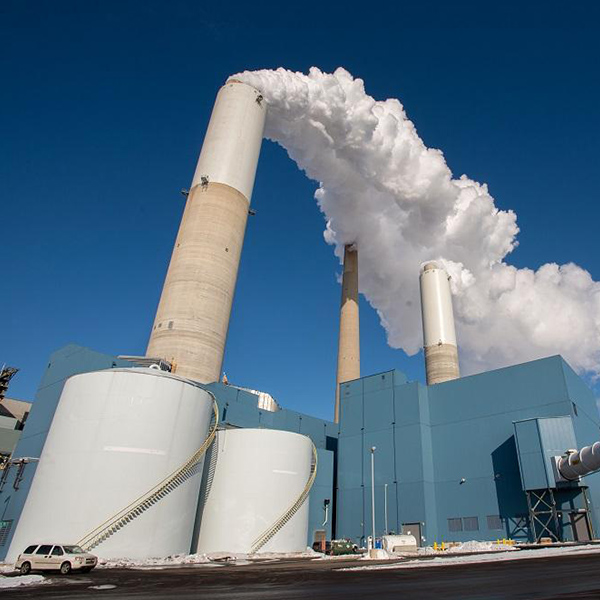
Both EPA and FERC received comments on how reliability can be maintained under the former’s power plant rule that requires fossil fuel-fired units to curtail their emissions.
Westside Governance Pathways Initiative
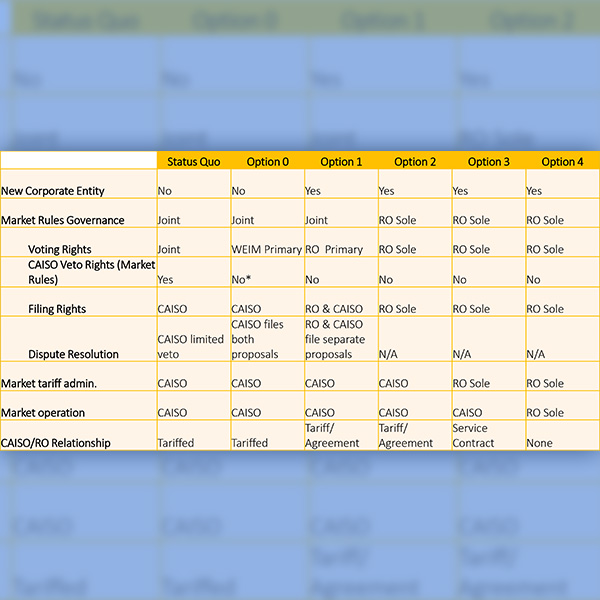
The group working to establish a single Western RTO heard summaries of five potential options for a new governing body that could be independent of CAISO.
D.C. Circuit Court of Appeals
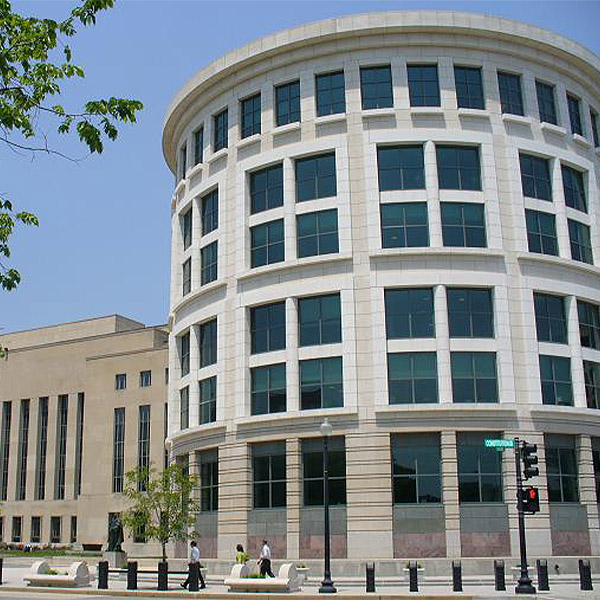
Opponents of the Southeast Energy Exchange Market want the federal courts to examine FERC's approval of the market.
© RTO Insider LLC
FERC issued an order ending a couple years of litigation over what Tri-State can charge its exiting members, picking a "Balance Sheet Approach" initially proposed by departing member United Power and then modified by commission staff.
SPP
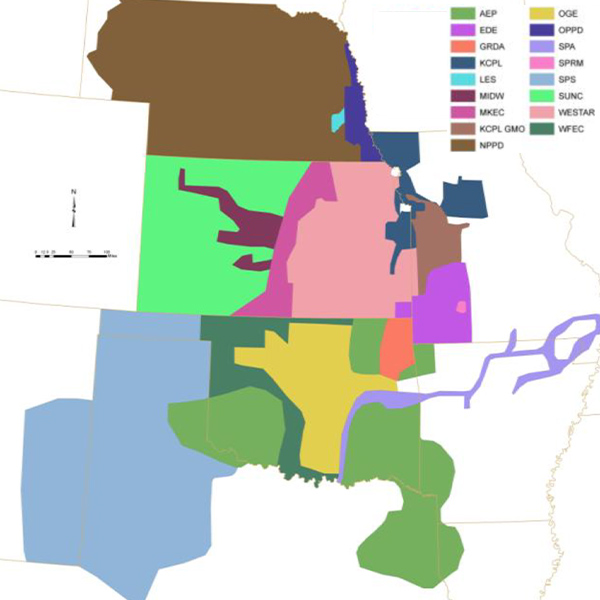
FERC commissioners urged SPP to conduct a stakeholder process to vet a proposal to socialize “byway” transmission on a case-by-case basis.
Shutterstock
FERC opened an inquiry into whether it should continue to grant blanket authorizations for holding companies to purchase public electric utility securities.
SPP
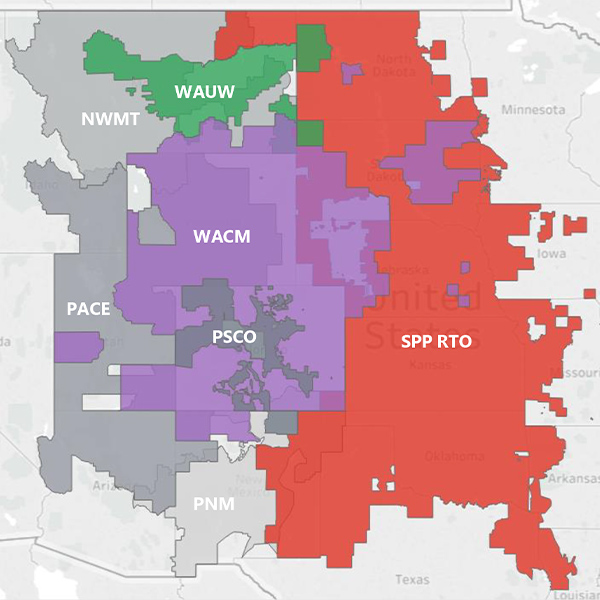
FERC rejected SPP’s proposed market power test for the Western Energy Imbalance Service, saying it gave the Market Monitor too much discretion.
© RTO Insider LLC
FERC approved a settlement between PJM and 81 parties to reduce the $1.8 billion in penalties assessed against generators that underperformed during Winter Storm Elliott.
Shutterstock
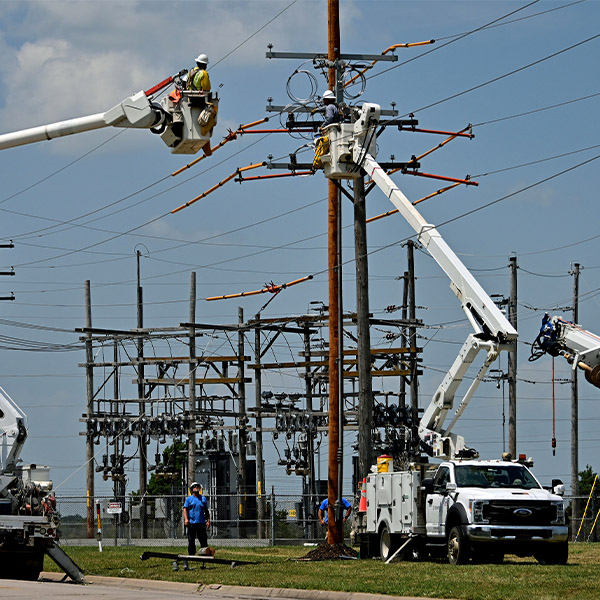
FERC found SPP mostly in compliance with the directives of Order 881.
PJM
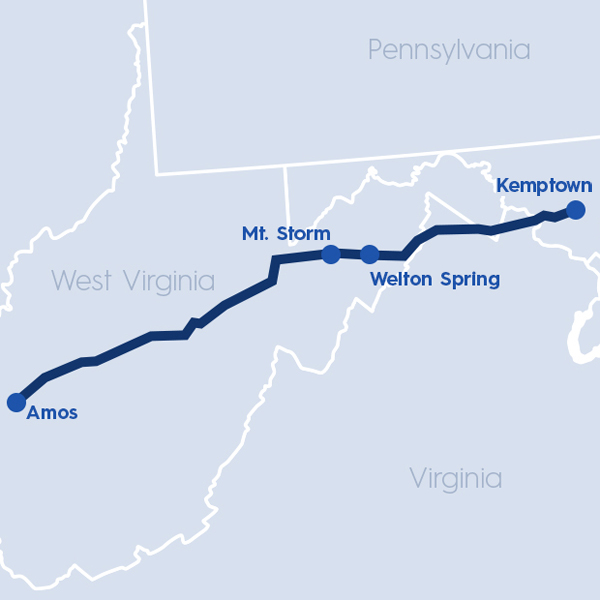
FERC Commissioner Mark Christie used orders on two transmission projects to blast the commission’s “ridiculously generous” incentives.
Want more? Advanced Search