Federal Energy Regulatory Commission (FERC)
The Federal Energy Regulatory Commission is an independent agency that regulates the interstate transmission of electricity, natural gas and oil; reviews proposals to build LNG terminals and interstate natural gas pipelines; and licenses hydropower projects. FERC also oversees operations of regional wholesale electricity and natural gas markets and oversees the reliability of the bulk electric system.
SPP
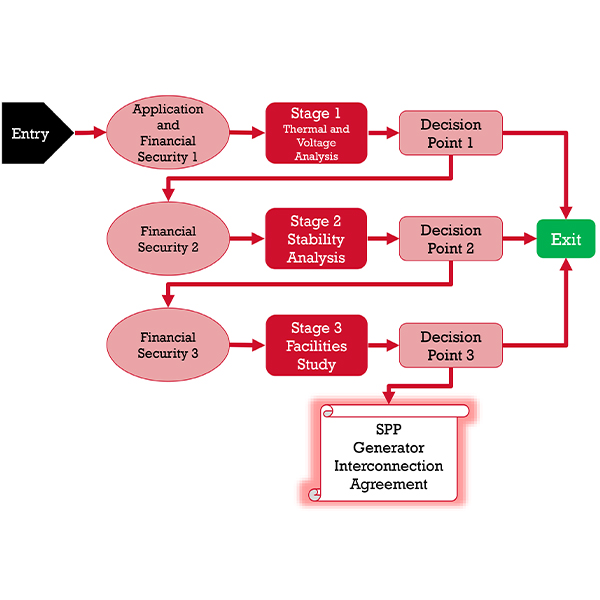
FERC accepted SPP tariff revisions that clarify its interconnection customers’ financial security refund.
Shutterstock
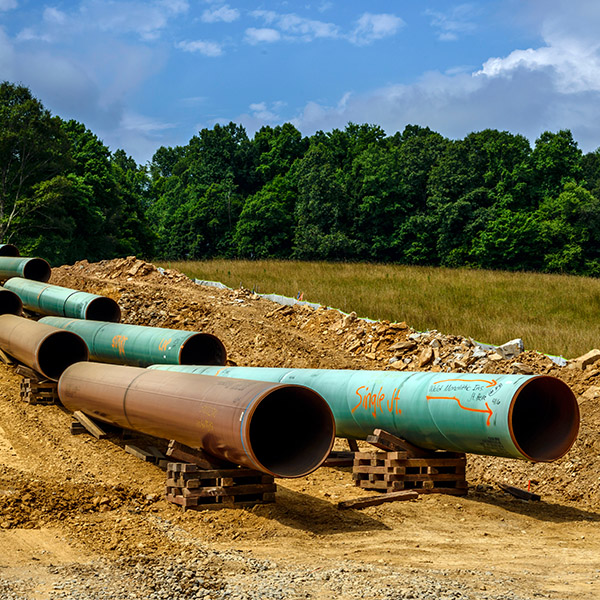
FERC OK'd Mountain Valley Pipeline’s request to complete construction, acting following Congress' authorization of the project in the recent debt-ceiling deal.
Nuclear Regulatory Commission
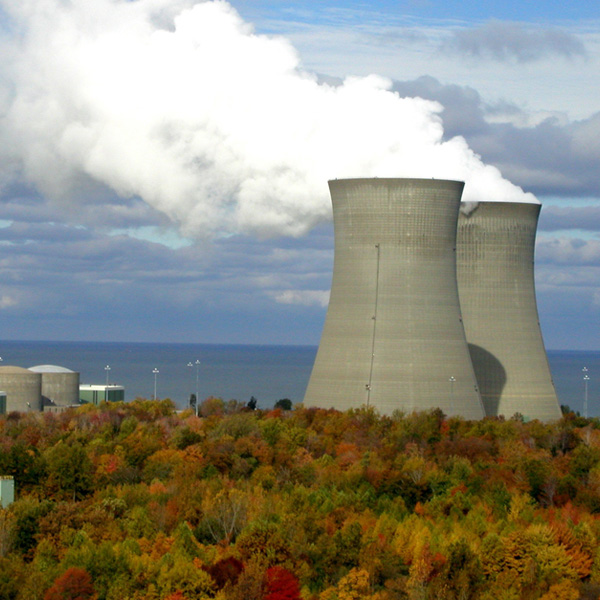
Vistra Energy's deal to buy Energy Harbor ran into opposition at FERC, where parties argued it would harm Ohio's retail market and further concentrate PJM's wholesale market.

© RTO Insider LLC
PJM continued its presentation of its proposal to overhaul the capacity market during a June 21 Critical Issue Fast Path process meeting.
© RTO Insider LLC
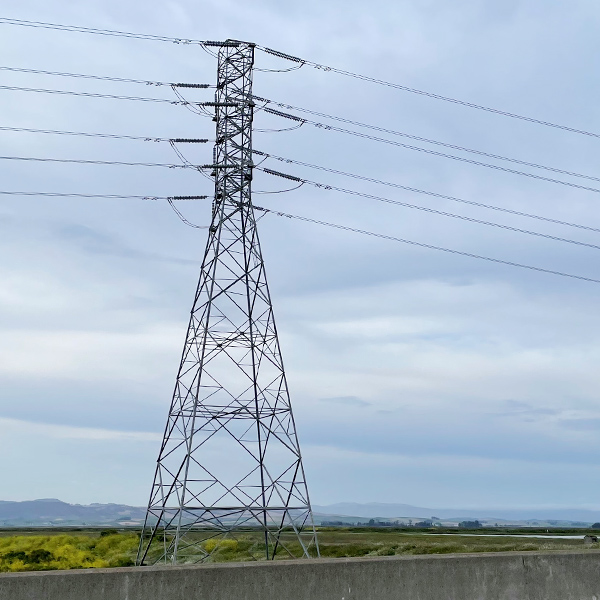
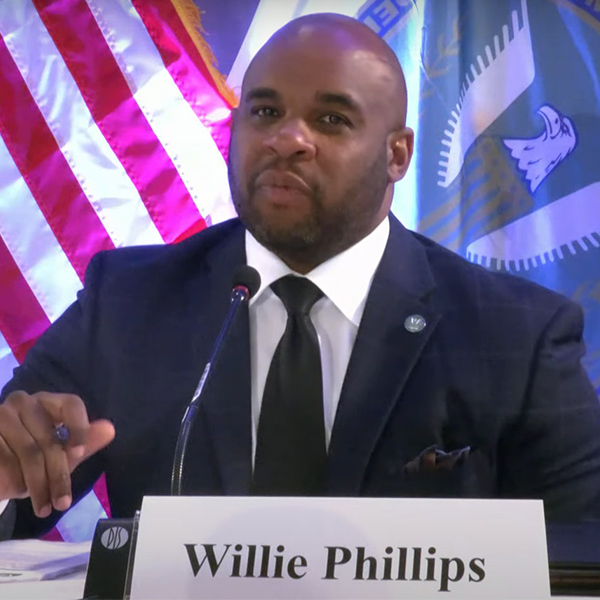
FERC rejected PG&E's proposed transmission-to-transmission interconnection agreement, which generated strong opposition.
FERC
FERC stakeholders debated winter reliability challenges in the Northeast, including the potential loss of the Everett LNG import terminal.
MISO
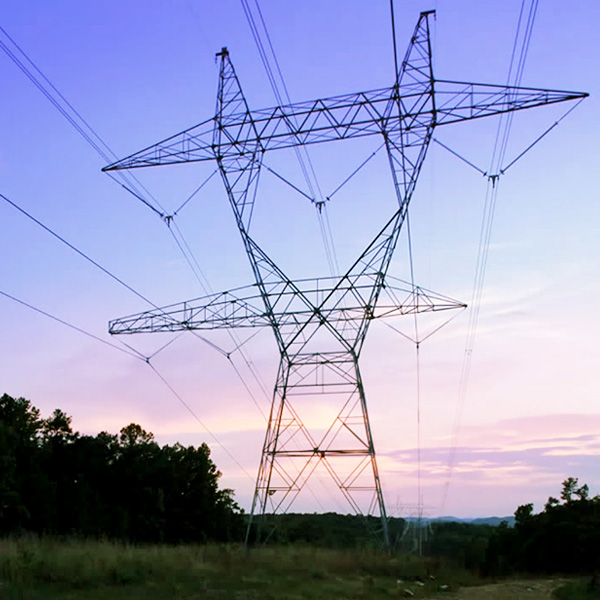
FERC issued orders directing transmission providers to clarify their timelines for calculating and submitting ambient-adjusted line ratings under Order 881.
Shutterstock
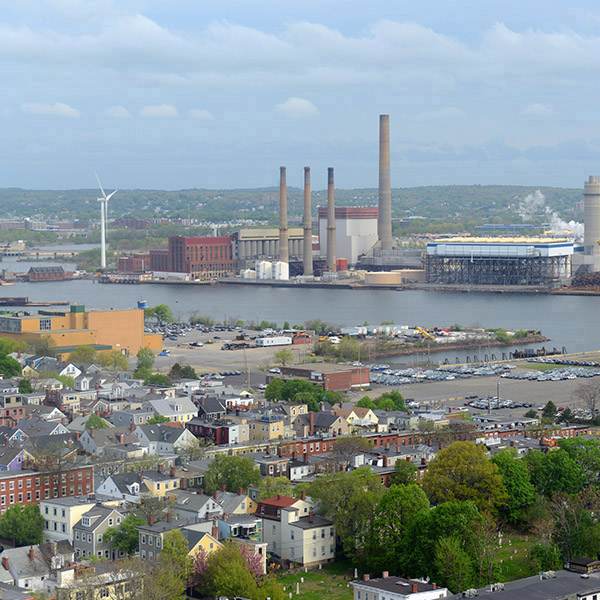
New England utilities have sought information on the agreement between ISO-NE and the Mystic power plant in Massachusetts.
FERC
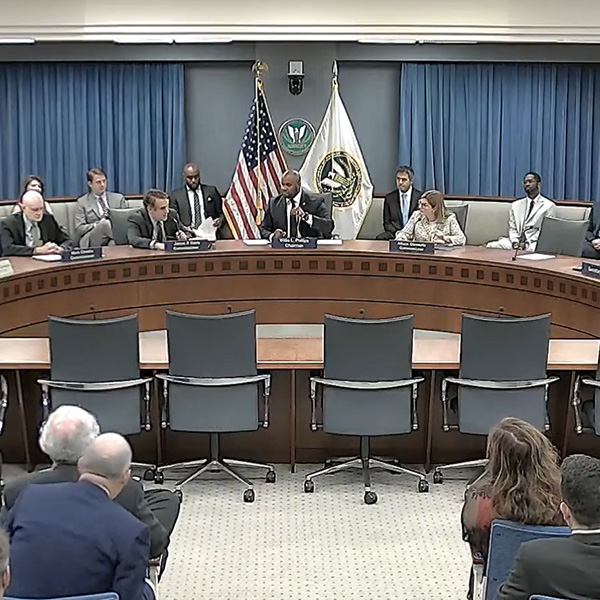
FERC approved new rules intended to strengthen the grid against both extreme heat and cold weather events.
Lawrence Berkeley National Laboratory
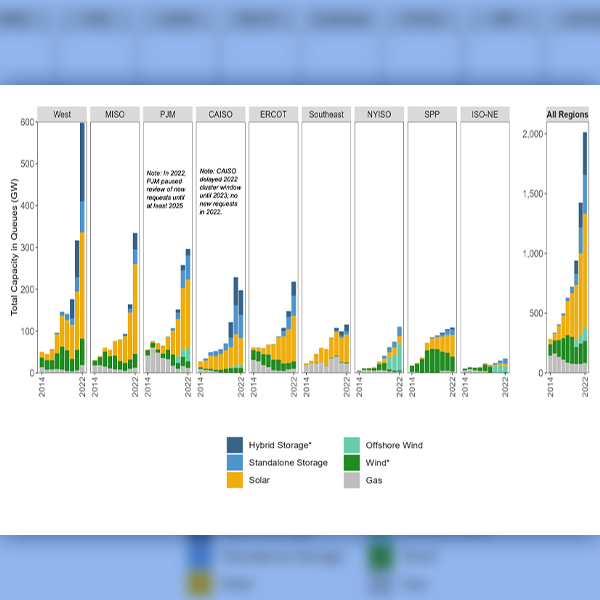
At Infocast’s Transmission & Interconnection Summit, experts said interconnection requests continue to grow and grid operators have tried to keep pace.
Want more? Advanced Search