generator interconnection procedures
We Energies
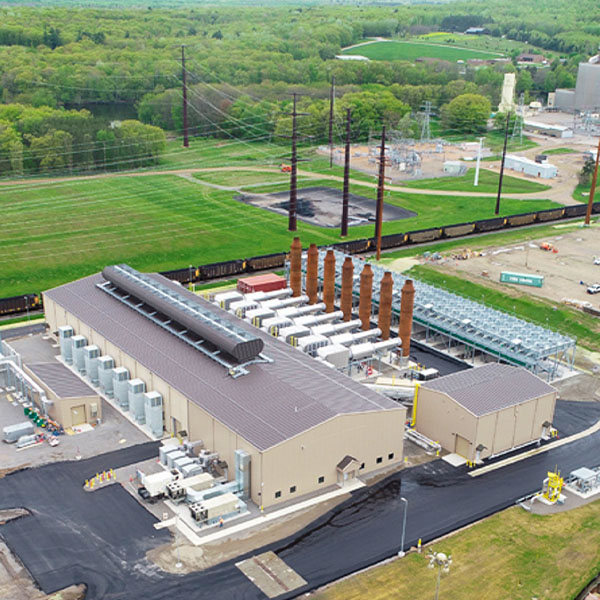
MISO announced that its first interconnection queue express lane application window turned up 47 projects at a little more than 26.5 GW of proposed new capacity, with natural gas generation accounting for about 20 GW.
PJM
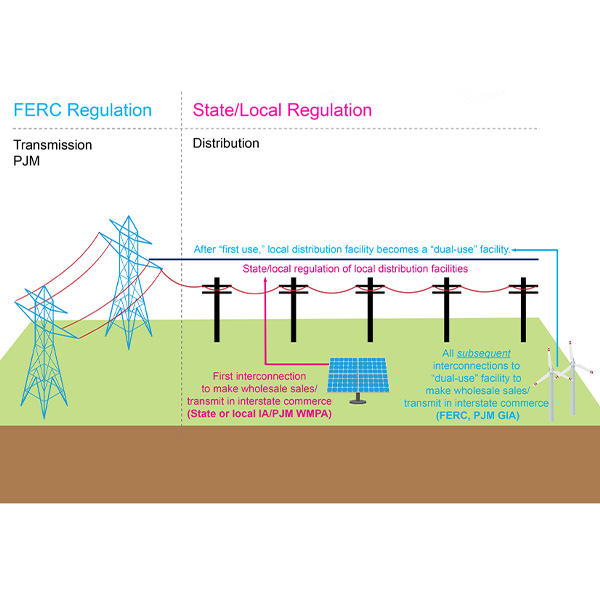
PJM’s Markets and Reliability Committee endorsed by acclamation a PJM proposal to rework how the RTO determines whether a new generation point-of-interconnection falls under federal or state jurisdiction.

© RTO Insider LLC
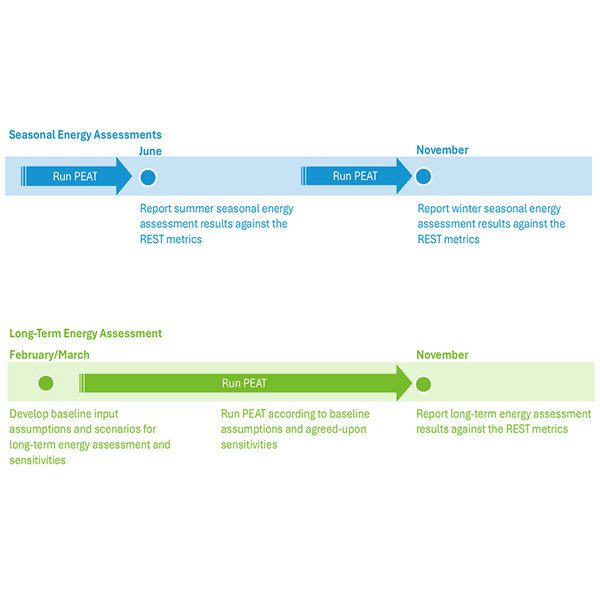
SPP’s Board of Directors has approved a tariff change establishing an integrated, three-year transmission planning cycle that represents a “first-in-the-country” mechanism.

© RTO Insider
SPP stakeholders unanimously approved a tariff change that replaces current planning processes with an integrated three-year cycle composed of long-term and annual studies.
ISO-NE
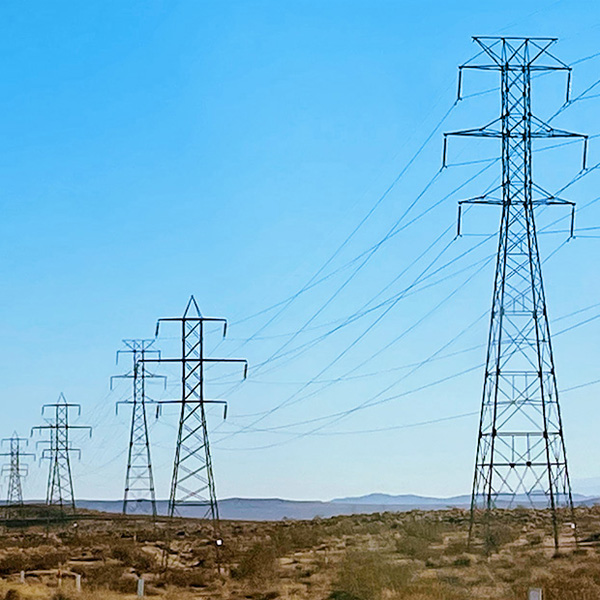
ISO-NE’s regional network service rate is set to decrease by about 1% in 2026, dropping from $185.28/kW-year in 2025 to $183.71/kW-year in 2026.
© RTO Insider LLC
CAISO is asking the California Public Utilities Commission to consider issuing a new procurement order to meet the region’s electricity reliability needs from 2028-2032, citing significant forecasted load growth in those years.
Grid United
FERC accepted SPP’s compliance with Orders Nos. 2023 and 2023-A in part and directed the RTO to submit a further filing within 60 days of the order.
WEC Energy Group
MISO’s repackaged proposal to establish a temporary fast track in its interconnection queue resulted in a familiar division among MISO stakeholders, with vertically integrated utilities in favor and clean energy organizations opposed.

© RTO Insider
FERC approved MISO’s new generation replacement provision that allows replacements to reconnect at more preferred points on the grid over clean energy groups’ concern that it plays favorites.
© RTO Insider
FERC approved most of NYISO’s proposed plan to comply with Order 2023, denying several of its proposed variations to the commission’s pro forma rules and directing the ISO to submit an additional compliance filing in 60 days.
Want more? Advanced Search