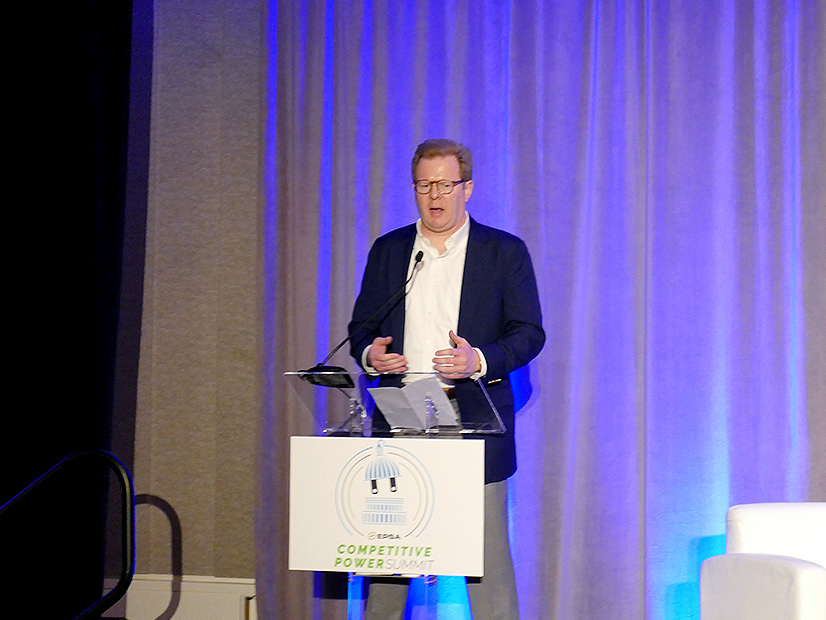
Gordon van Welie
© RTO Insider
Politicians increasingly are interested in wholesale markets, which has meant price caps but also is pushing regulators and the industry to move faster on meeting rising demand affordably and reliably.
© RTO Insider
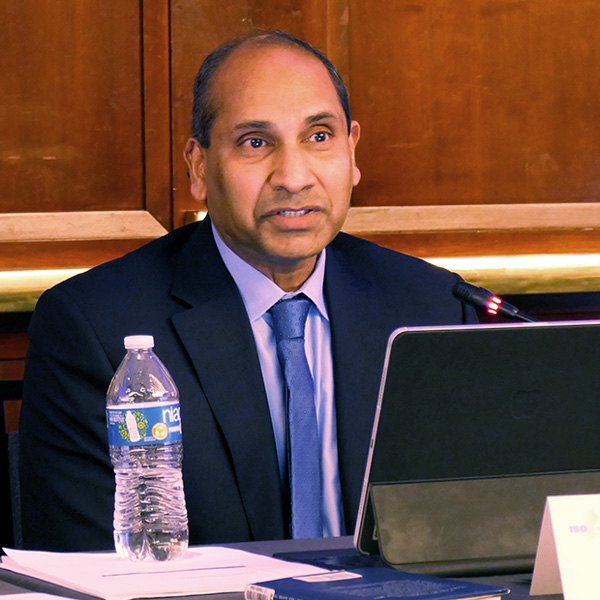
Just a few weeks after taking over as CEO of ISO-NE, Vamsi Chadalavada faced a trial-by-fire introduction to the job.
Xcel Energy
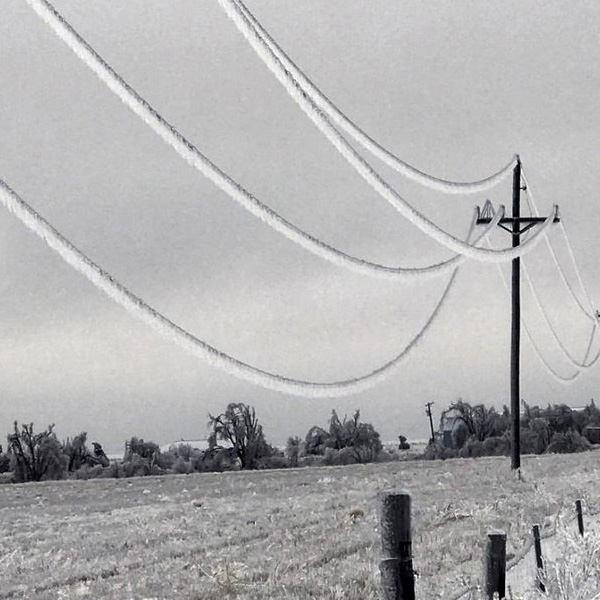
The North American grid made it through the winter storm of Jan. 24-26 — dubbed “Fern” by The Weather Channel — relatively unscathed, but the cold weather gripping much of the U.S. and Canada continues, and cold snaps in the future will still stress the interconnected power and natural gas systems.
© RTO Insider
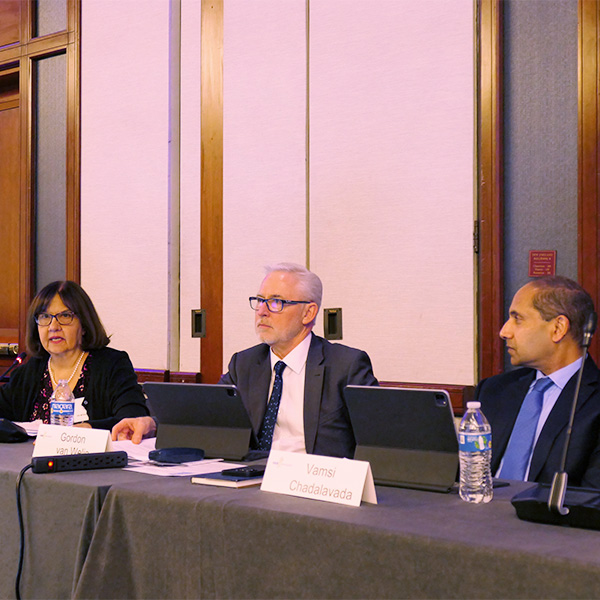
Heading into 2026, New England is counting on an increasingly collaborative approach to energy policy as federal opposition to renewable energy development threatens affordability, reliability, and decarbonization objectives in the region.
© RTO Insider
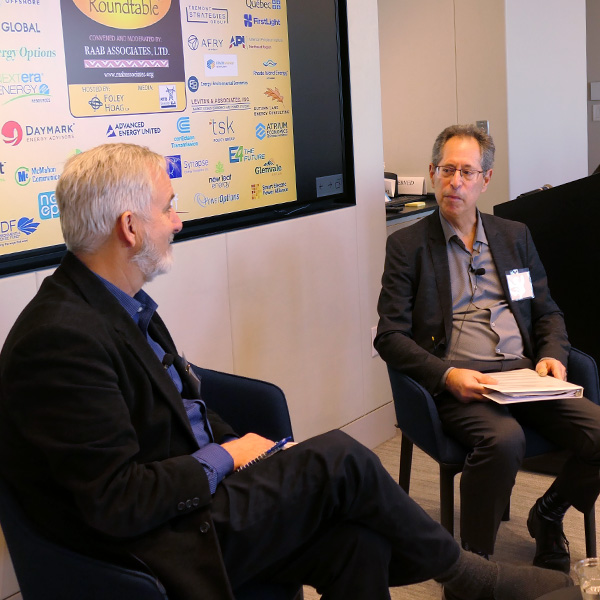
Raab Associates held its final New England Electricity Restructuring Roundtable, bringing reflections from speakers about the legacy of restructuring and the future of the power sector in the region.

© RTO Insider
An increasing political anxiety around energy affordability permeated debates about wholesale market changes, federal policy and demand growth at the annual New England Energy Summit.
© RTO Insider
Incoming ISO-NE CEO Vamsi Chadalavada emphasized the importance of innovation and a forward-looking approach to prepare for the future grid.
© RTO Insider
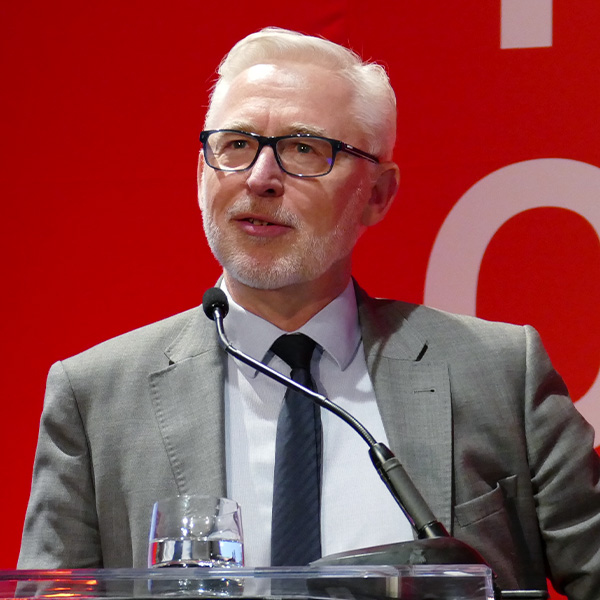
ISO NE CEO Gordon van Welie talked about the evolving grid in New England and how markets are changing and what the future holds as state policies drive higher demand and increasing decarbonization.

ISO-NE
PJM’s Nominating Committee named two candidates to fill vacant seats on the RTO’s Board of Managers: former ISO-NE executive Robert Ethier and Le Xie, faculty co-director of Harvard's Power and AI Initiative.
© RTO Insider
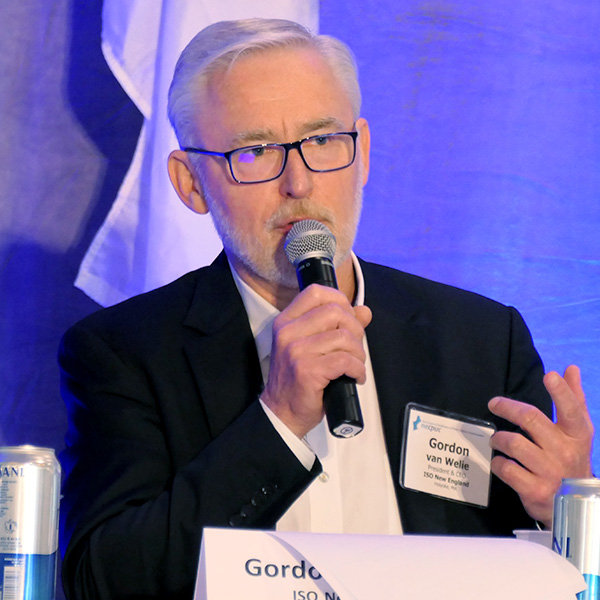
Retiring ISO-NE CEO Gordon van Welie discussed the changes he helped oversee during his time at the RTO, including the rise of gas generation and major investments in transmission infrastructure.
Want more? Advanced Search