ISO New England (ISO-NE)
Eversource
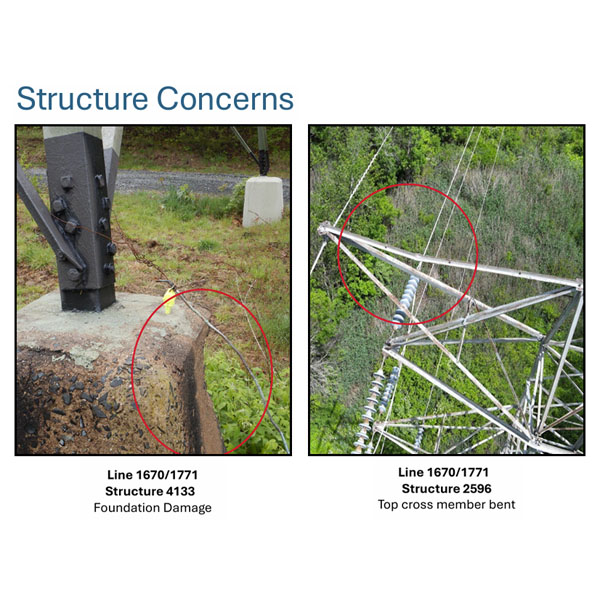
ISO-NE identified nine projects to include in an interim asset condition review process starting in November, which will proceed as the RTO works to stand up internal condition review capabilities by the start of 2027.
ISO-NE
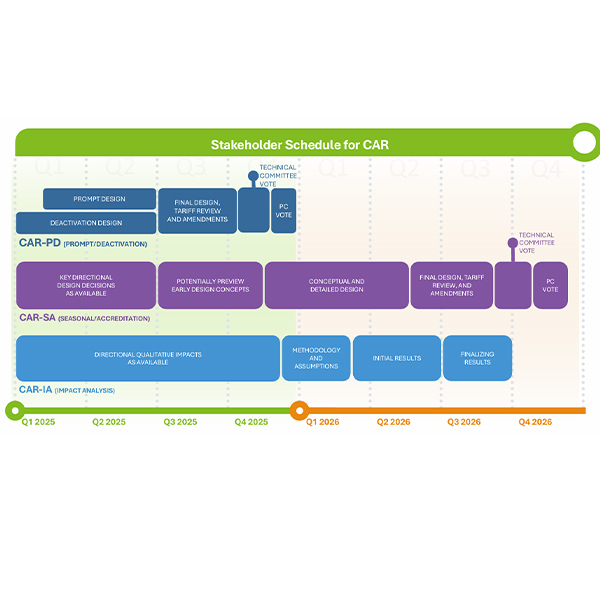
NEPOOL members proposed several amendments to the first phase of ISO-NE’s capacity market overhaul prior to the scheduled Markets Committee vote on ISO-NE’s proposal in November.
ISO-NE
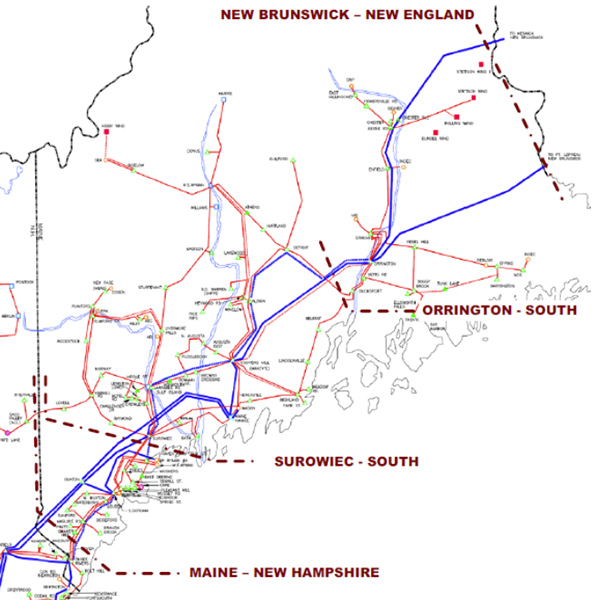
ISO-NE received six proposals from four different companies in response to its request for proposals to address transmission constraints and interconnect onshore wind in Maine.
Acadia Center
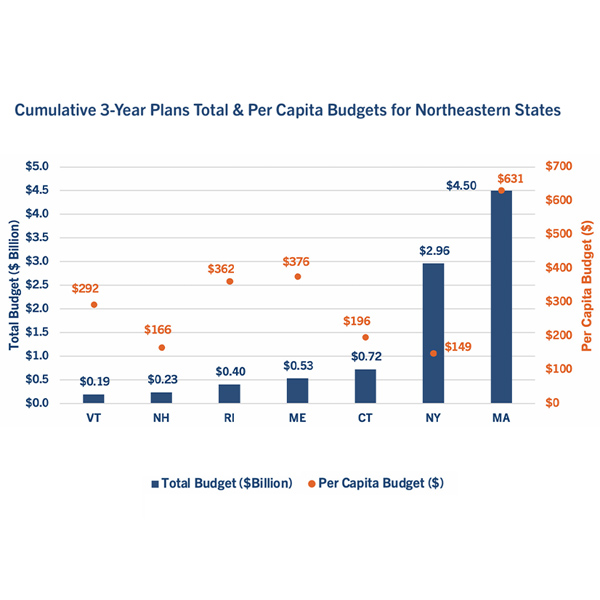
Projected energy efficiency investments in New England over the next three years will generate an estimated $19.3 billion in lifetime benefits, returning $2.93 for every dollar spent, according to new analysis by the Acadia Center.
Avangrid
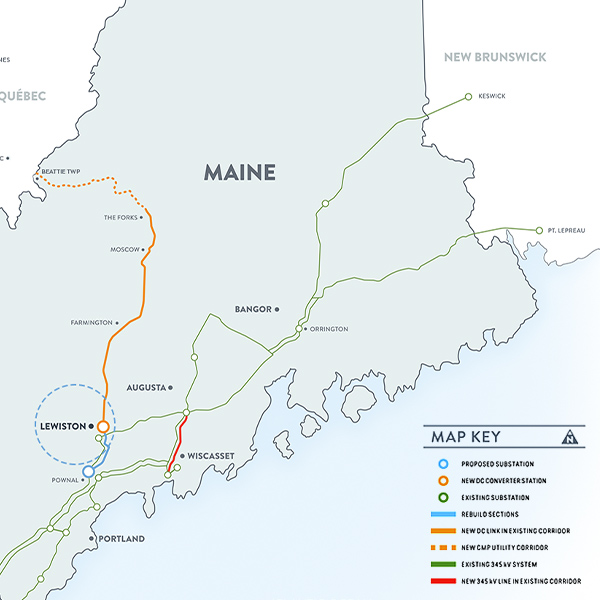
A U.S. district court judge in Massachusetts granted NextEra Energy’s motion to dismiss claims the company violated federal and state antitrust laws in its efforts to block the New England Clean Energy Connect transmission project.
ISO-NE
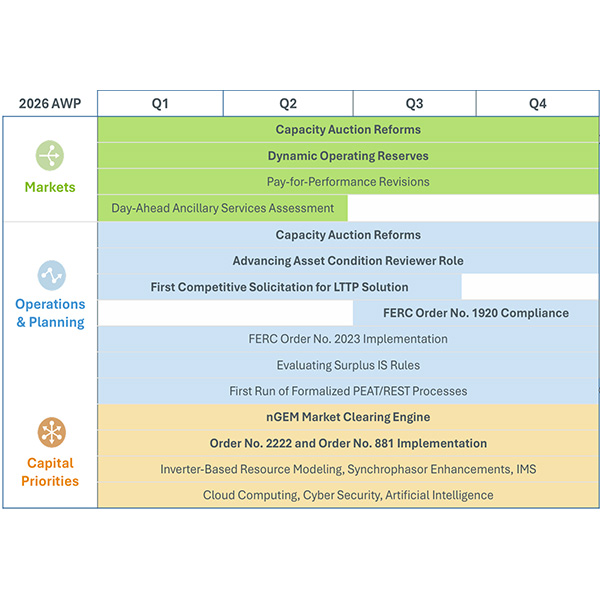
Capacity auction reforms, a new asset condition reviewer role, parallel transmission planning efforts, new reserve products, Pay-for-Performance changes and interconnection modifications are likely to be on the docket for ISO-NE in 2026.
Yes Energy
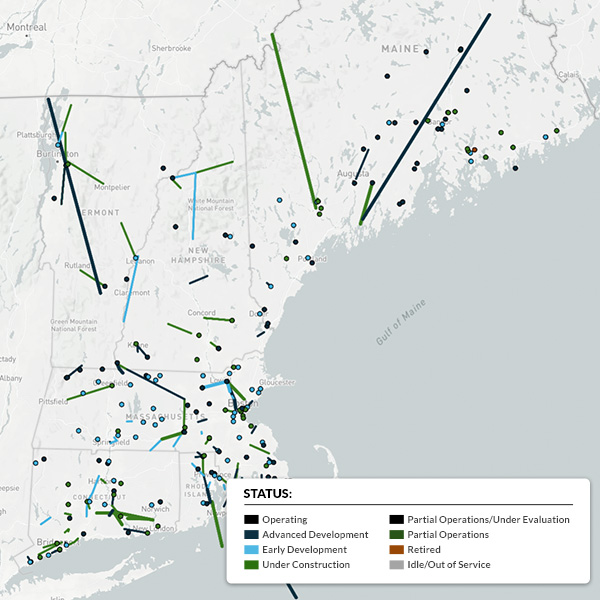
In New England, rules governing how new resources connect to the regional grid limit full use of the system’s potential. Precious “surplus” capacity can and should be leveraged to interconnect new, low-cost clean energy technologies to deliver more reliable, affordable power, says Alex Lawton.

© RTO Insider
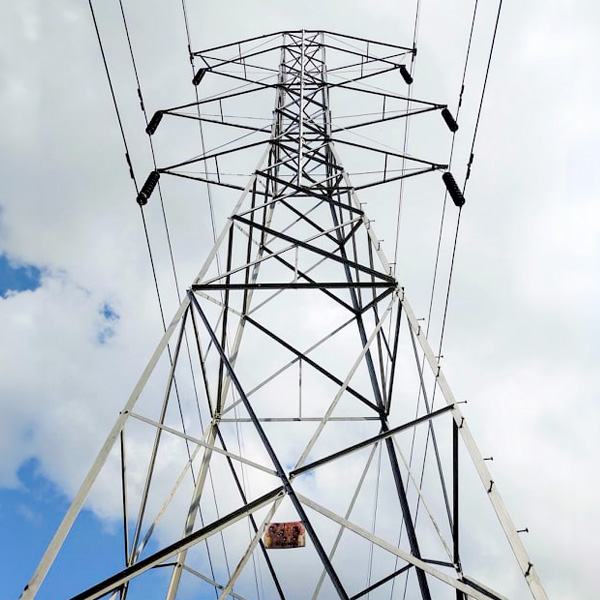
Energy experts and officials stressed the importance of proactive transmission planning, interconnection reform and increased demand-side flexibility at Raab Associates’ New England Electricity Restructuring Roundtable.
© RTO Insider LLC
Eight New England transmission companies must provide the Maine Office of Public Advocate with more information on asset condition projects placed in service in 2022, FERC has ruled.
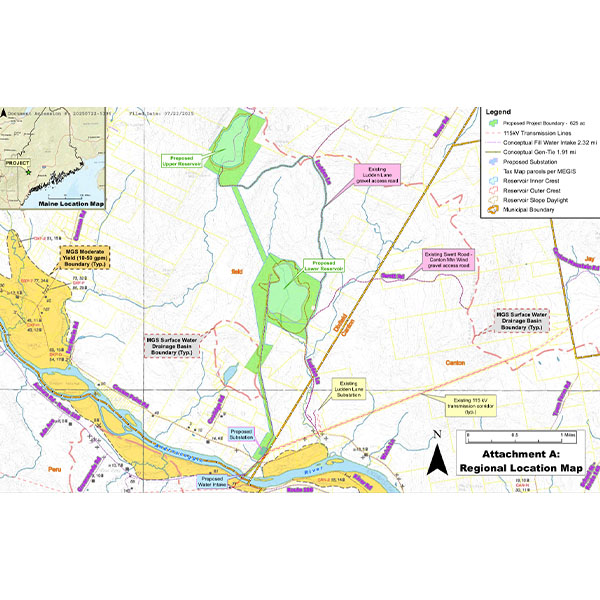
Western Maine Energy Storage
A developer in Maine is evaluating whether pumped storage – one of the oldest generation technologies still used on the New England grid – could play an increased role in the grid of the future.
Want more? Advanced Search