offshore transmission

© RTO Insider
State policymakers and industry leaders at the Alliance for Clean Energy New York’s Fall Conference offered messages of full support even as they acknowledged the federal roadblocks thrown in their path.
Exelon
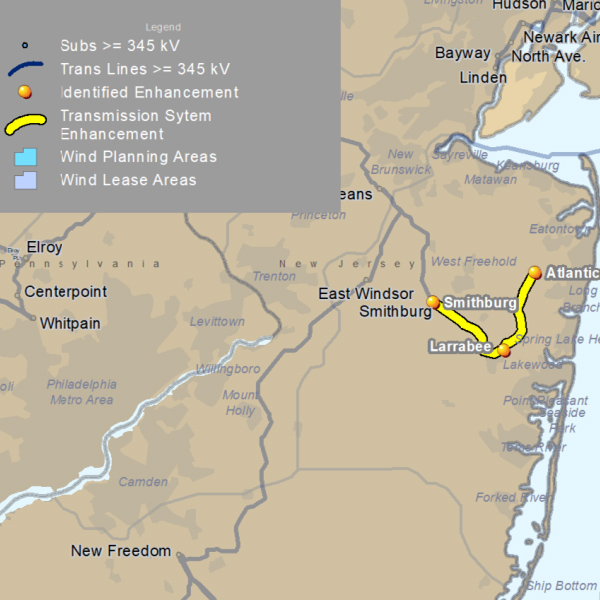
PJM and the New Jersey Board of Public Utilities are in discussions on how the transmission and interconnection facilities planned for the state’s offshore wind aspirations can be put on ice in the wake of all the generation developers pulling out of their projects.
PJM
The Department of Energy has withdrawn a $716 million loan commitment that would have helped New Jersey upgrade the state transmission system to connect offshore wind to the grid.

Shutterstock
In the wake of the New York Public Service Commission’s decision to cease planning its offshore wind underwater transmission network, NYISO has followed suit, tossing two years of planning studies.
© RTO Insider
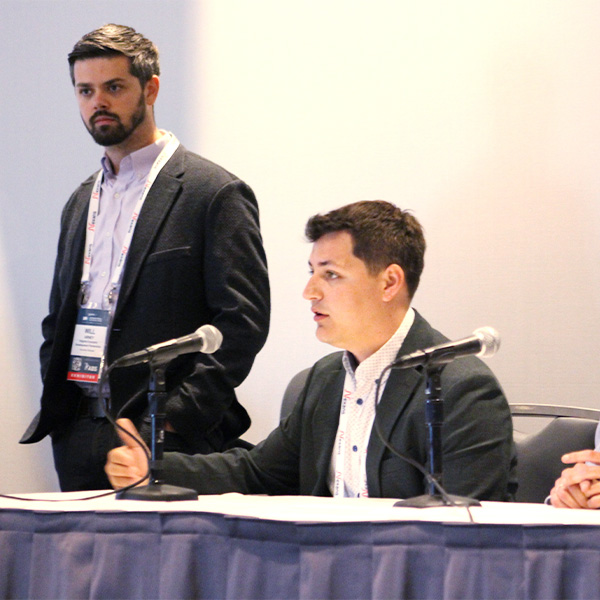
States looking to upgrade their grid to accept offshore wind power should look for secondary benefits to lure support, speakers said at the International Partnering Forum 25 conference.
ISO-NE
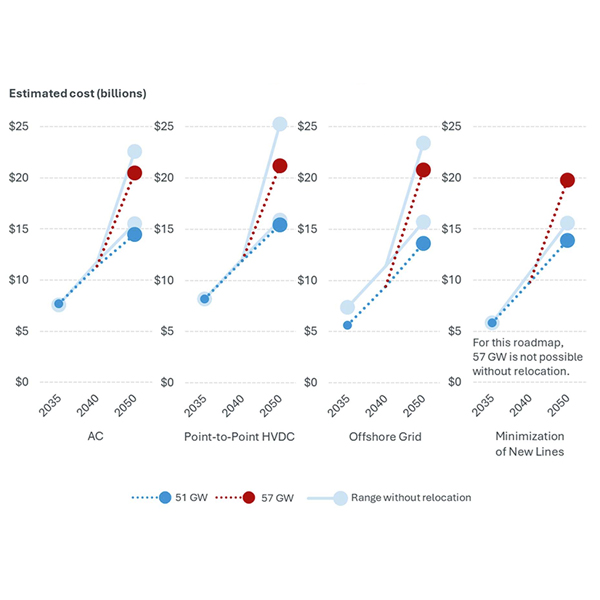
A new analysis by ISO-NE shows about 9,600 MW of offshore wind may be able to connect to the New England transmission system without triggering the need for upgrades.
NECA
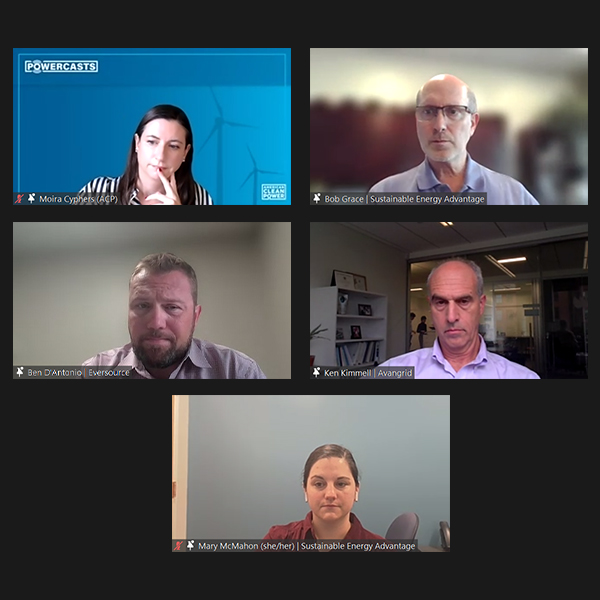
Even as the offshore wind industry continues to struggle, stakeholders’ hopes have been buoyed by the recent multistate procurement in New England, they said during a webinar held by NECA.
DNV
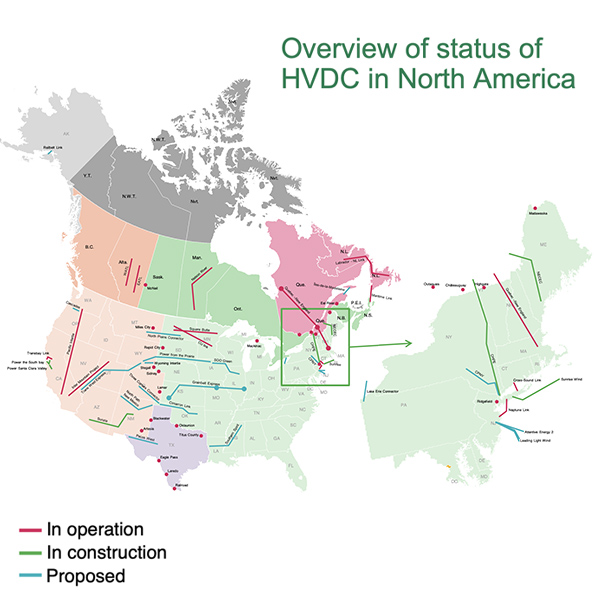
Before the use of HVDC transmission lines can be expanded in the U.S., the offshore wind industry needs to set some standards, according to a joint company survey.
© RTO Insider LLC
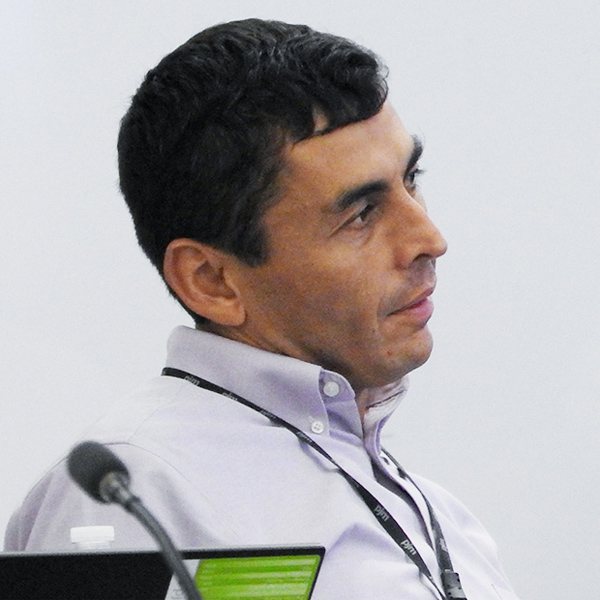
PJM stakeholders received updates on the RTO's plan for long-range transmission planning and utilities' supplemental projects to deal with growing data center load.
Peretz Partensky, CC BY 2.0, via Wikimedia Commons
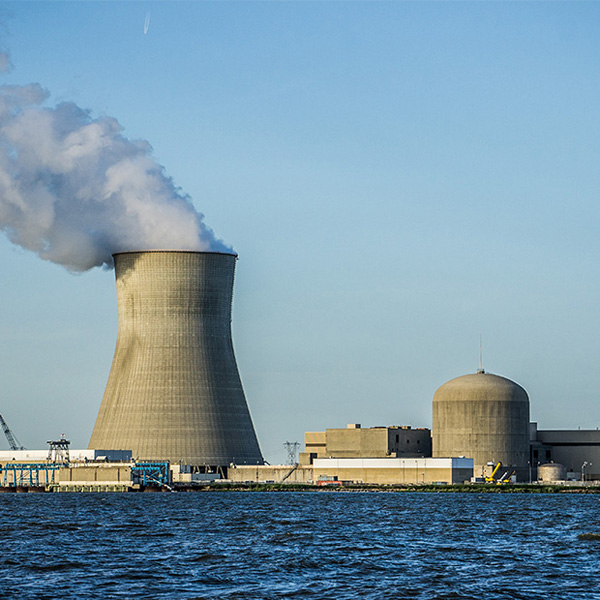
PSEG is looking to use excess capacity at its three South Jersey nuclear generators to provide clean energy for data centers and AI development projects, CEO Ralph LaRossa said in the company’s first-quarter earnings call.
Want more? Advanced Search