Paris Agreement
RFF
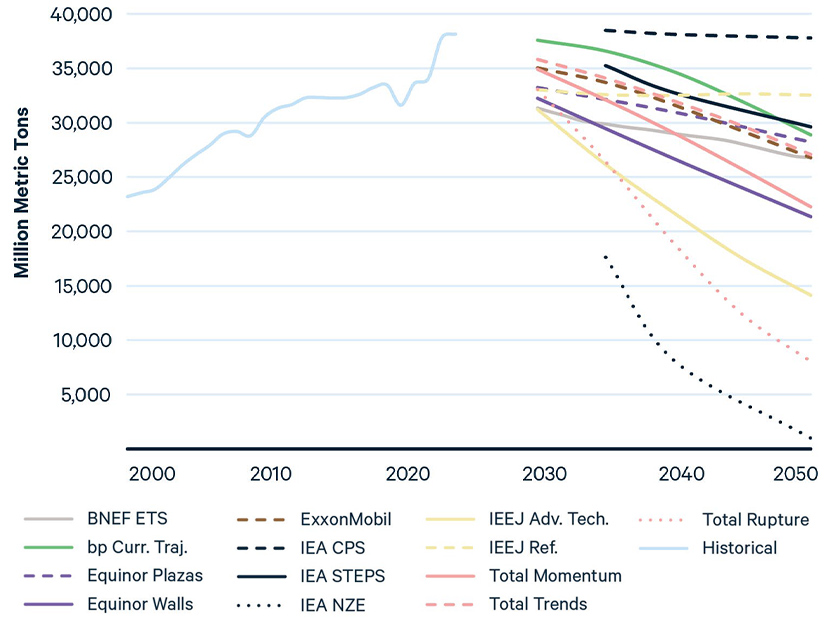
Too many emissions are baked in to the atmosphere for the world to limit global average temperature rise to 1.5 degrees Celsius, which was the target for the 2015 Paris Agreement, Resources For the Future said in its Global Energy Outlook 2026 report.
E2
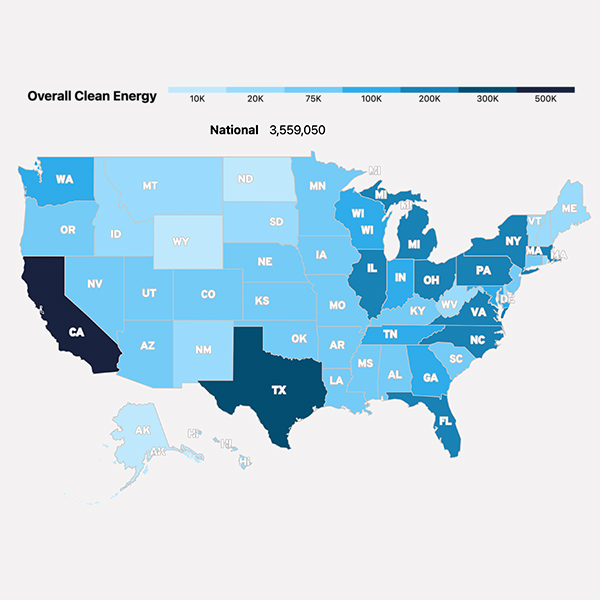
Several new reports and updates give snapshots and predictions about the changing direction of the U.S. energy sector.
C-SPAN
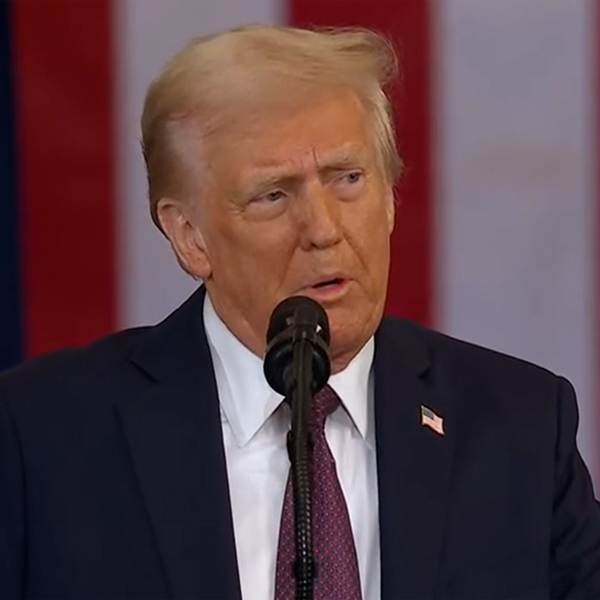
Minutes after he was sworn in as 47th president of the United States, Donald Trump signaled his intention to rapidly increase production of oil and gas.
The White House
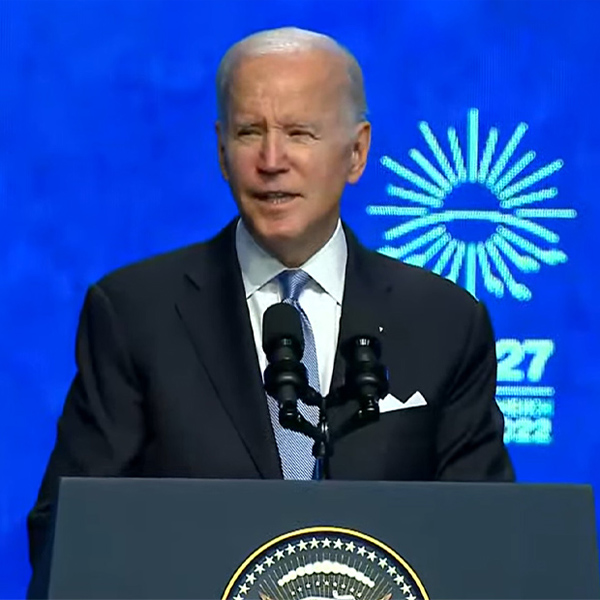
As he prepares to leave office, President Joe Biden has submitted a new U.S. emissions-reduction target to the U.N., committing the country to cutting its greenhouse gas emissions economywide by 61 to 66% below 2005 levels by 2035.
© RTO Insider LLC
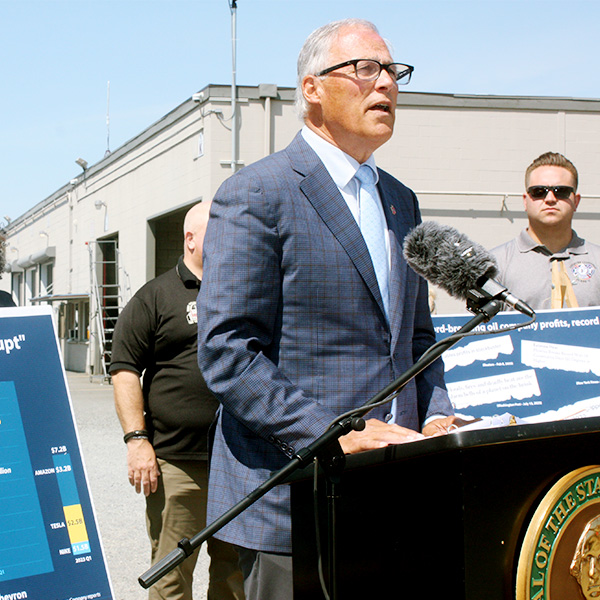
President Biden and Vice President Harris will not travel to Azerbaijan for COP29, but a group of U.S. mayors, governors and corporate leaders is carrying a message of continued commitment to the goals of the Paris Agreement.
Rhodium Group
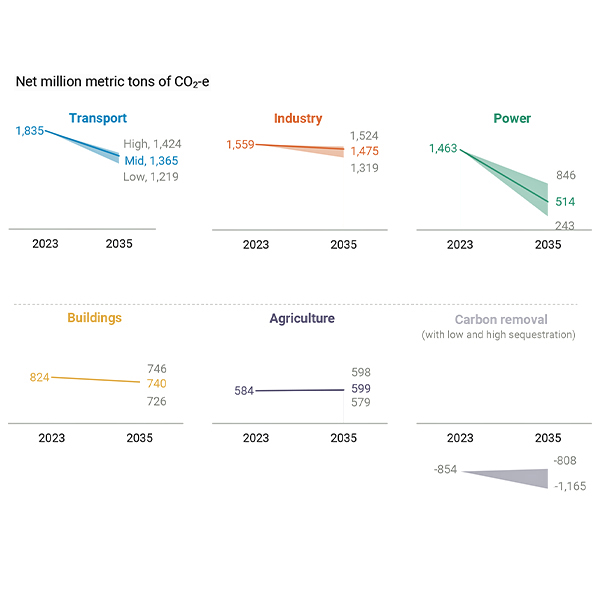
The Rhodium Group’s annual update of its "Taking Stock" report finds that U.S. GHG emissions were 18% lower in 2023 than in 2005 and estimates they will be 32 to 43% lower in 2030.
EPA
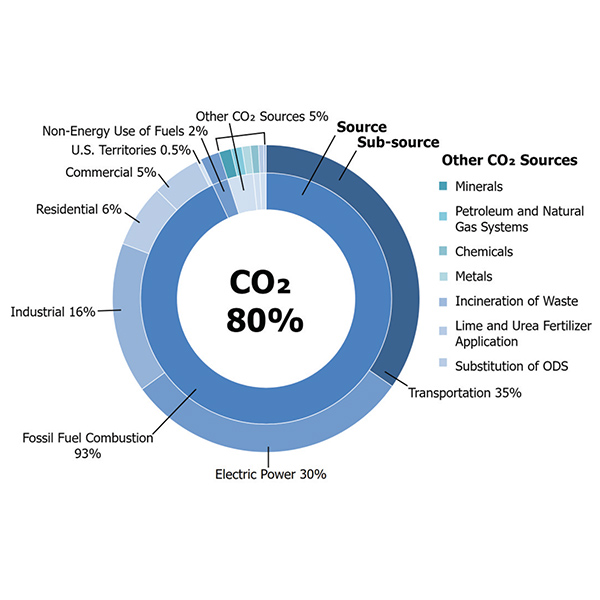
The topline figures from EPA’s new inventory of U.S. greenhouse gas emissions from 1990 to 2022 show the country’s slow and uneven progress toward President Joe Biden’s goal of cutting emissions by 50 to 52% below 2005 levels by 2030.
United Nations
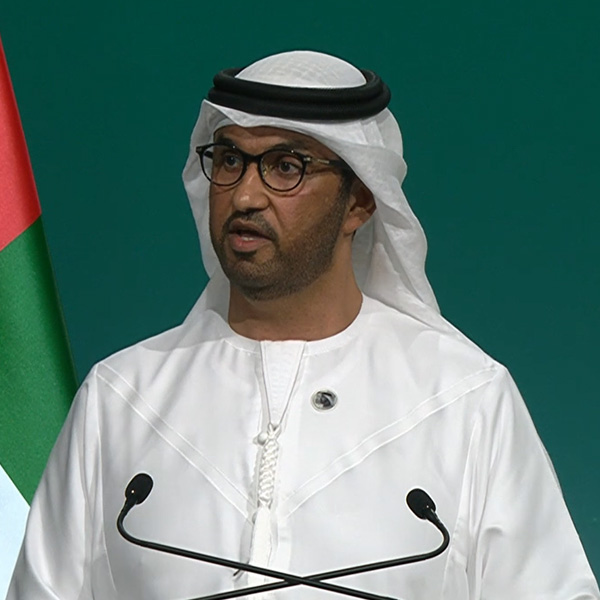
Earth is living through its hottest year on record, and global efforts to curb human-generated greenhouse gas emissions driving those high temperatures are not keeping up with commitments to cut emissions.
S&P Global
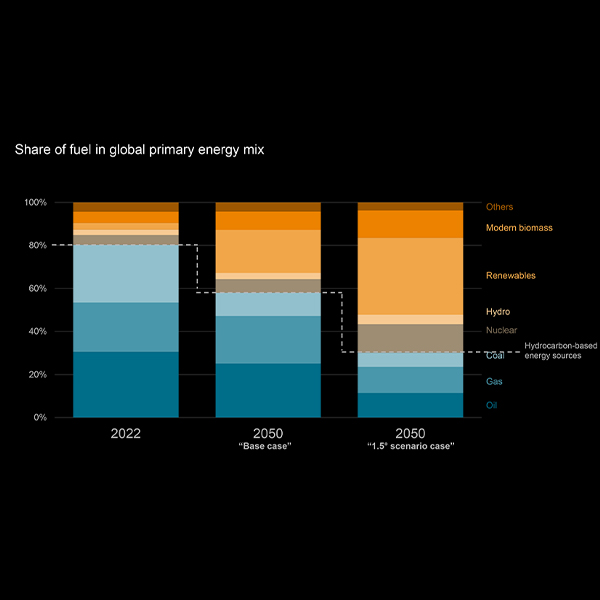
Hydrocarbons are not going away anytime soon despite growing climate financing and escalating renewables deployment, industry analysts said.
Shutterstock
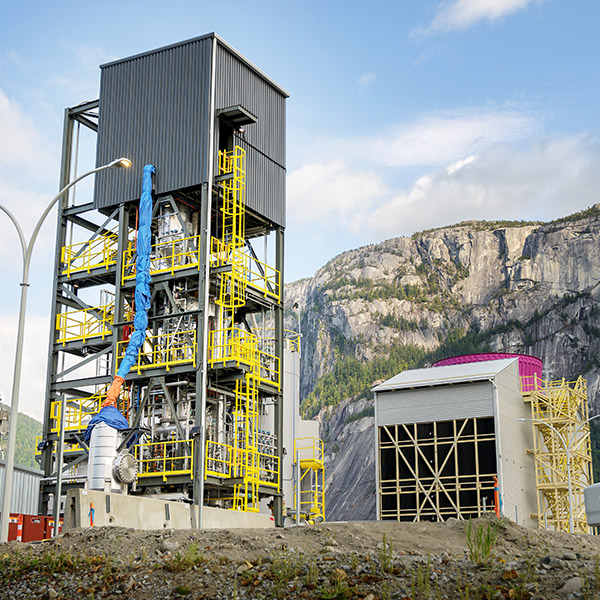
DOE announced a pair of funding opportunities for battery manufacturing and carbon storage designed to spur grid storage, electrification and emission reductions.
Want more? Advanced Search