permitting reform

© RTO Insider
Panelists at the 2026 New York Energy Summit discussed the challenges facing the state's power grid amid a constantly shifting landscape.

Shutterstock
A new report quantifies what has been stated widely in general terms: The federal permitting process is delaying, downsizing and deterring clean energy projects.
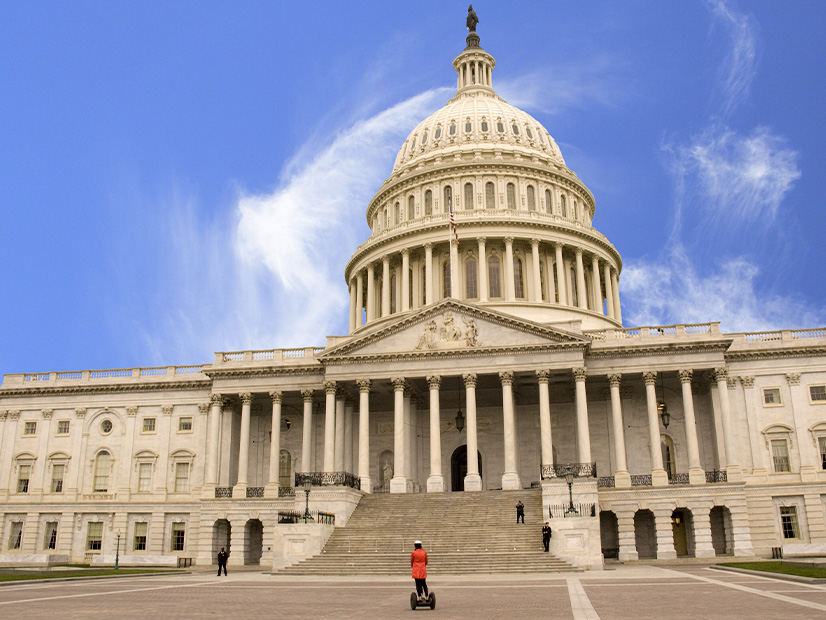
David Maiolo, CC BY-SA-3.0, via Wikimedia Commons
With electricity demand spiking, Congress should take major steps to speed up the process of building new transmission infrastructure, writes Will Hazelip.
Washington State Department of Transportation
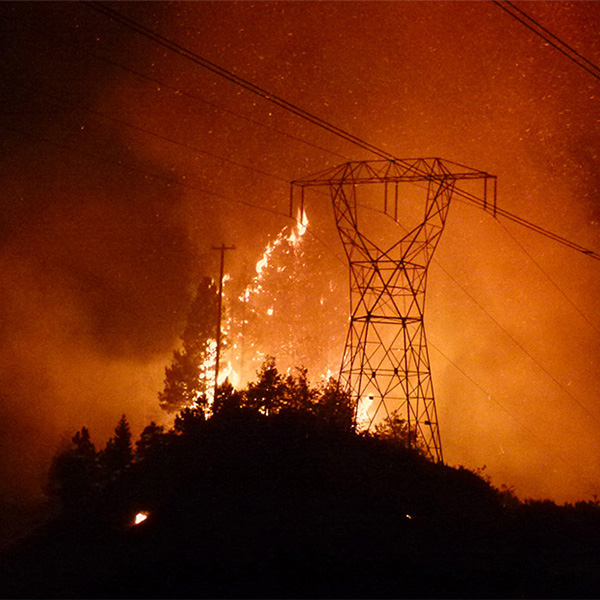
Permitting delays can exacerbate risks for electric transmission lines to spark wildfires, experts told the U.S. House Natural Resources Subcommittee on Water, Wildlife and Fisheries.
© RTO Insider LLC
House Republicans amended the SPEED Act on its way to a floor vote, in order to allow the Trump administration to keep repealing Biden-era permits for offshore wind, which led renewable energy groups to drop support for the bill.
National Petroleum Council
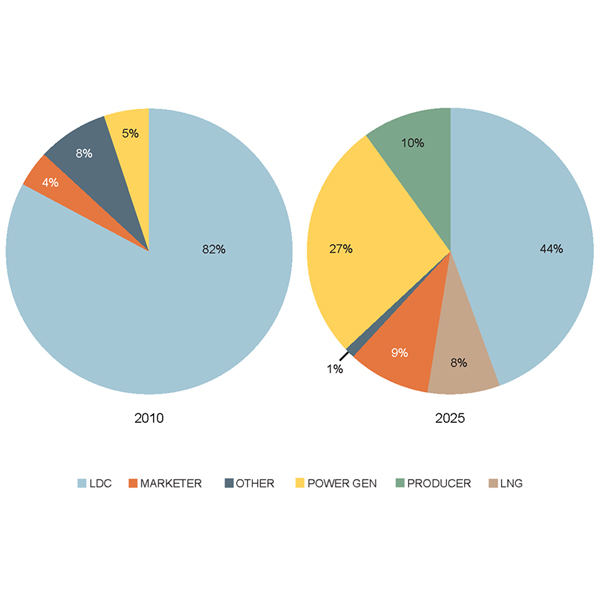
The National Petroleum Council is the latest group urging reforms to address gas-electric coordination including pipeline expansion, and reforms to organized power markets and pipeline tariffs.

© RTO Insider LLC
Both parties have members working on permitting legislation, but the shutdown and the Trump administration's actions against clean energy projects make actual legislation a tough lift for now.

© RTO Insider LLC
Trump officials and other Republicans celebrated the major changes the administration has brought to energy and environmental policy at AFPI's Global Energy Summit.

ACORE
Speakers at ACORE’s annual Grid Forum weren’t afraid to use strong words on the ineffectiveness of the U.S. permitting system but were bullish that it’s fixable.
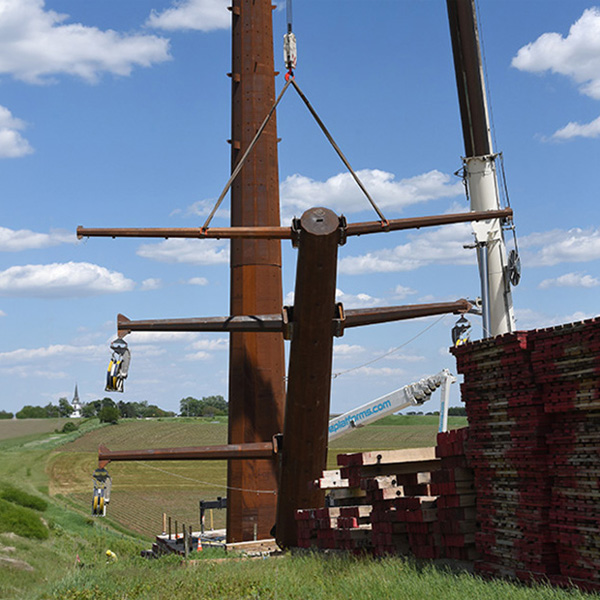
ATC and ITC Midwest
U.S. Reps. Scott Peters (D) and Andy Barr (R) introduced the SPEED and Reliability Act, which is meant to speed up the siting and permitting of transmission lines.
Want more? Advanced Search