PJM Critical Issue Fast Path (CIFP)
The Critical Issue Fast Path process (CIFP) was added to PJM Manual 34 in 2019 to provide the PJM Board and members a way to resolve “contentious issues with known PJM and/or FERC implementation deadlines” that were not resolved in the normal stakeholder process.

© RTO Insider
Two PJM proposals would revise its tariff to extend the collar on capacity prices for two more years and implement an expedited interconnection track for large projects to bring new capacity online quickly.
© RTO Insider LLC
PJM stakeholders kicked off discussions on creating a “backstop” auction to be held in September at the insistence of the Trump administration and the governors of the RTO’s 13 states.

© RTO Insider LLC
The PJM Board of Managers has selected a path forward for addressing a groundswell of large load interconnections expected over the coming decade.
FERC
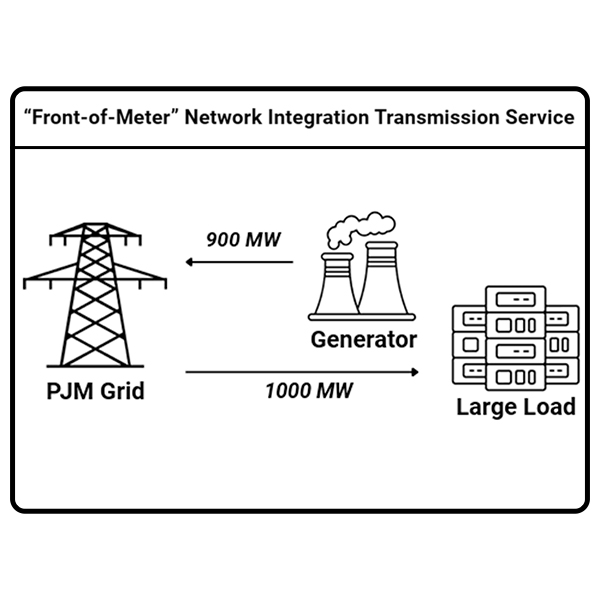
PJM presented stakeholders with an initial look into the first of a handful of compliance filings it is drafting to define how co-located large loads receive transmission service.

© RTO Insider LLC
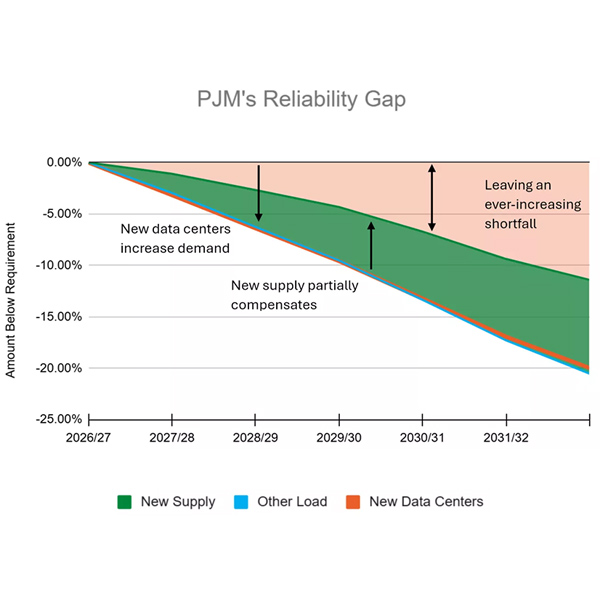
PJM enters 2026 amid several efforts to ward off a reliability gap attributed to accelerating data center load, sluggish development of new capacity and resource deactivations.

Talen Energy
FERC told PJM to change its rules to allow for co-located load at generators, with new transmission services and other tweaks.

© RTO Insider LLC
The Independent Market Monitor filed a complaint asking FERC to determine that PJM has the authority to hold off on large load interconnections if they would jeopardize transmission security or resource adequacy.
NRDC
Load growth beyond PJM’s ability to serve is a clear and present danger to the reliability of the grid and the functioning of PJM’s markets, says the NRDC.
© RTO Insider
The PJM Members Committee voted against each of the dozen proposals brought to address rising data center load as part of the RTO’s Critical Issue Fast Path process.

Google
PJM stakeholders are to vote on a record-breaking number of proposals on how the RTO should integrate large loads without impacting resource adequacy.
Want more? Advanced Search