
PJM Interconnection LLC (PJM)

© RTO Insider LLC
The challenges and opportunities of meeting demand from new large loads like data centers took center stage at the National Association of State Energy Officials’ recent Energy Policy Conference.
Shutterstock
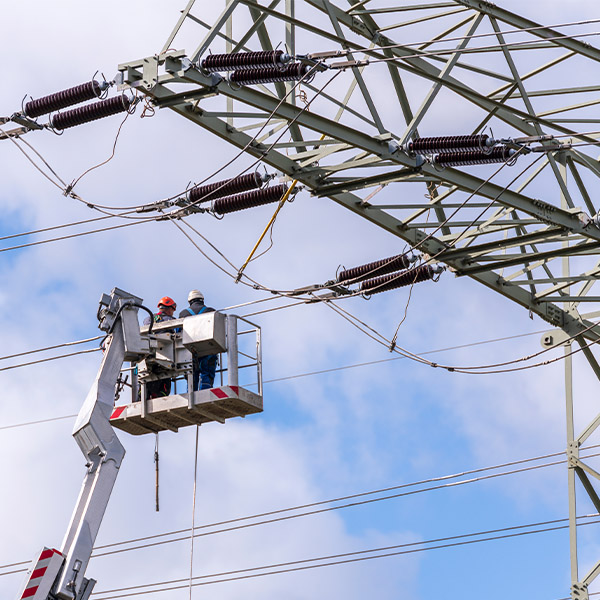
FERC approved revisions to PJM’s tariff to streamline the process for the owners of a deactivating resource to transfer its capacity interconnection rights to a new unit at the same point of interconnection.

Shutterstock
Maryland's 2026 legislative session could show how states facing explosive demand growth can achieve their clean energy and affordability goals despite the Trump administration’s resistance to solar, wind and storage, according to Livewire columnist K Kaufmann.

© RTO Insider LLC
The PJM Markets and Reliability Committee and Members Committee endorsed the RTO’s recommended installed reserve margin and forecast pool requirement for the third 2026/27 Incremental Auction.

© RTO Insider
PJM presented manual revisions to clarify how resources are defined as offline for the purpose of determining whether they are eligible for lost opportunity cost credits.

© RTO Insider LLC
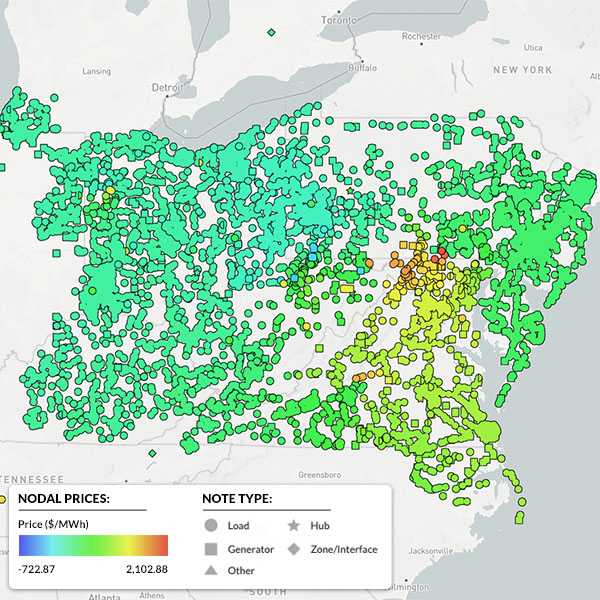
PJM stakeholders kicked off discussions on creating a “backstop” auction to be held in September at the insistence of the Trump administration and the governors of the RTO’s 13 states.
Yes Energy
The winter storm that moved through Texas and much of the Eastern Interconnection cut power to hundreds of thousands of people and stressed the bulk power system, but did not create major disruptions like other storms earlier this decade.
Public Domain via Wikimedia Commons
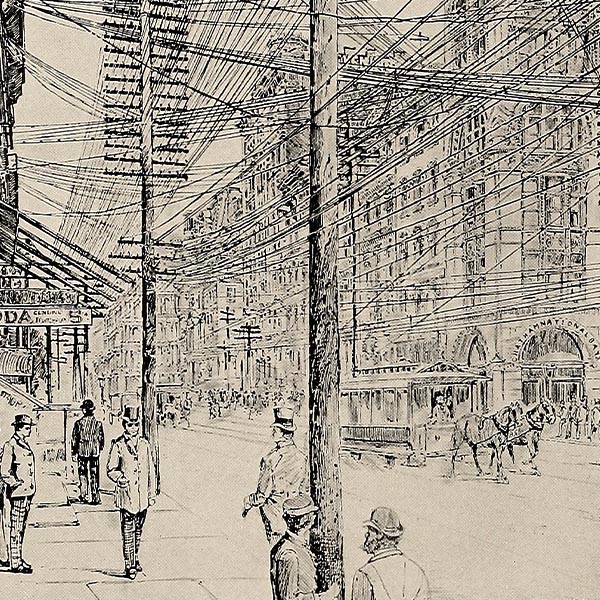
Alison Williams of Power for Tomorrow argues that vertically integrated utilities are shielding customers from price spikes while supporting economic growth.
FERC
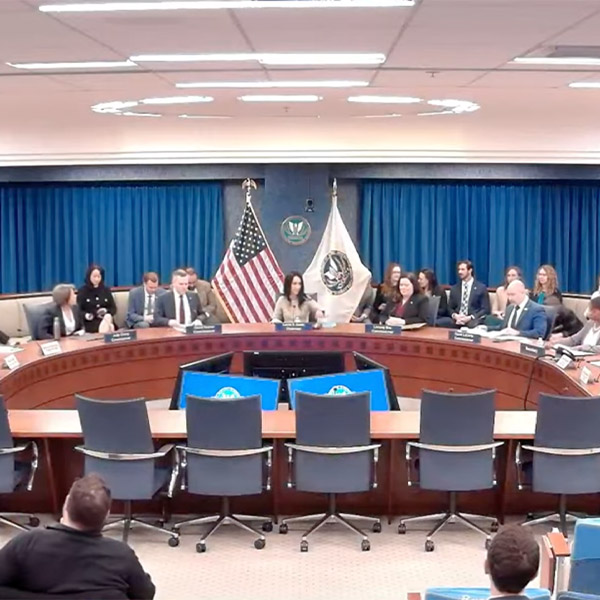
FERC addressed the ongoing resource adequacy challenges at PJM during its regular meeting, calling for the RTO to get reforms in front of it so they can be approved.

Gov. Mikie Sherrill via X
New Jersey Gov. Mikie Sherrill signed two sweeping executive orders that sought to control the state’s aggressively rising electricity rates through ratepayer credits and generation expansion.
Want more? Advanced Search
