Revolution Wind

© RTO Insider
Amid uncertainty about how New England will meet rising demand in the coming decades, Massachusetts Gov. Maura Healey issued an executive order to procure 10 GW of new power and 5 GW of energy storage by 2035.
Ørsted
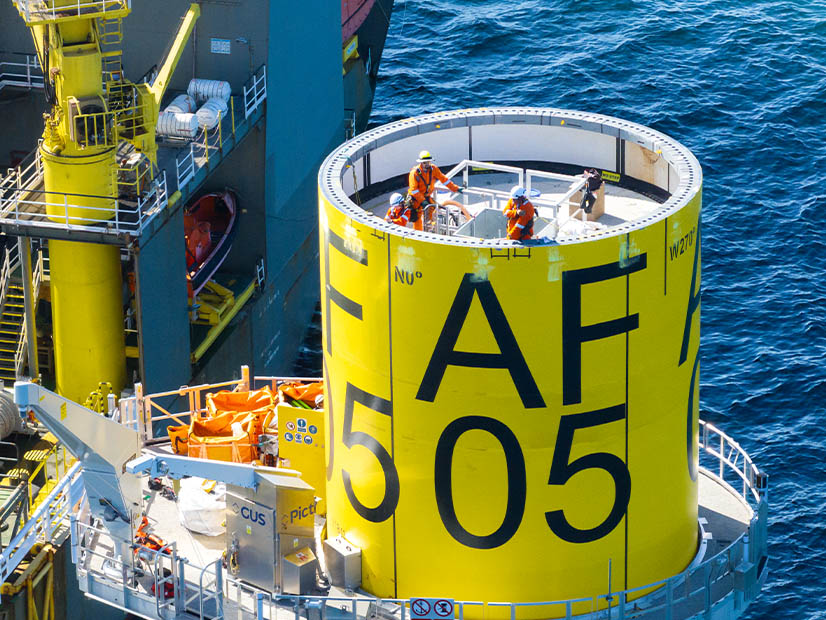
One New England offshore wind farm has completed construction, and another has begun sending electricity ashore as it finishes construction.
Eversource Energy
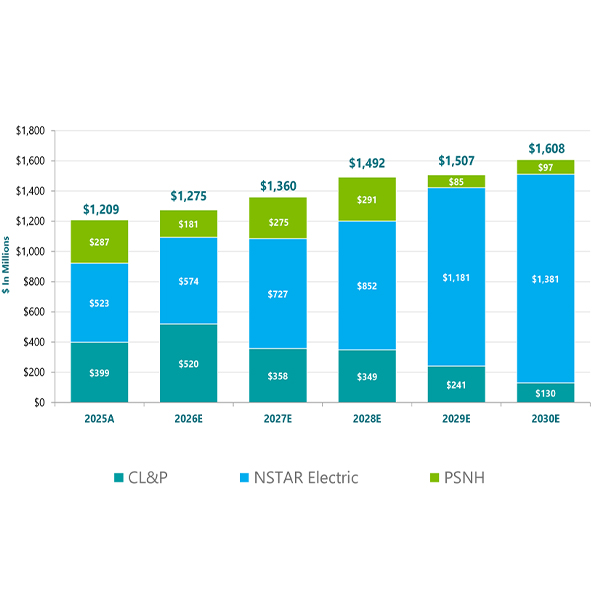
Eversource Energy increased its five-year capital investment plan by $2.3 billion, an increase largely driven by investments in its gas and electric distribution systems.

Revolution Wind
If Ørsted can continue to beat back the Trump administration’s interference, it could start generating electricity with its Revolution Wind project in a matter of weeks.
Shutterstock
Debates about affordability continue to dominate state-level energy policy debates throughout New England, shifting the focus away from decarbonization, a panel of experienced lobbyists said.
Dominion Energy
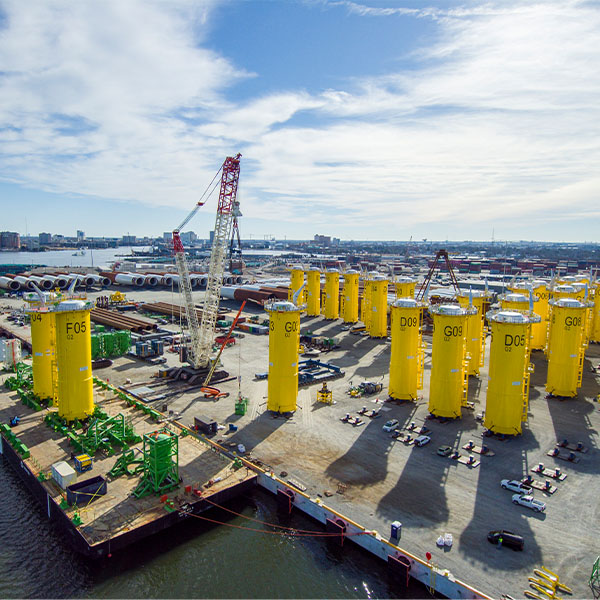
A judge has lifted the stop-work order against Revolution Wind, one of the five offshore wind projects shut down by the Trump administration in December.
ISO-NE
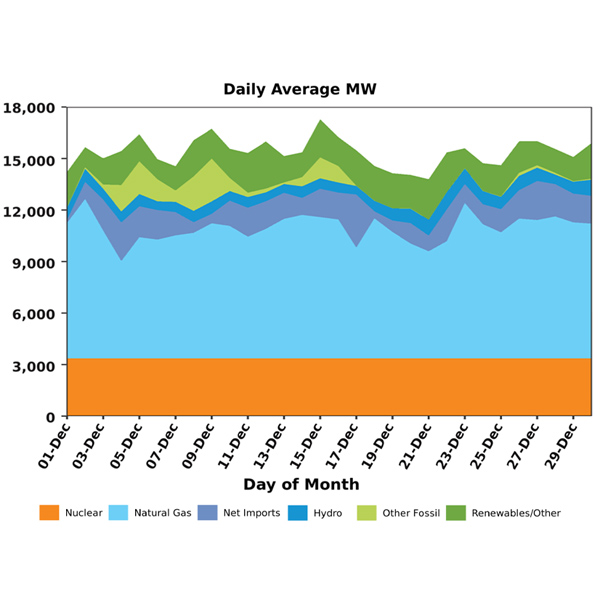
Consistently cold weather drove record-high December energy market costs for ISO-NE and caused the region to rely heavily on stored oil and LNG injections.
Ørsted
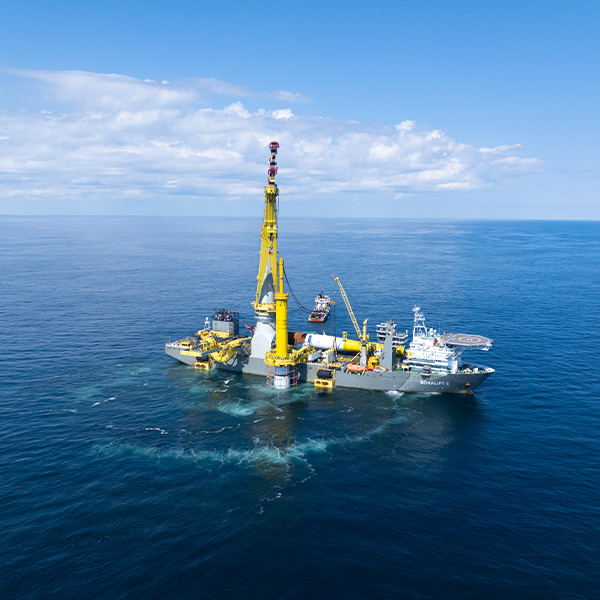
Three of the four developers building wind farms in U.S. waters are challenging the Trump administration’s Dec. 22 order suspending all such construction.

© RTO Insider
Heading into 2026, New England is counting on an increasingly collaborative approach to energy policy as federal opposition to renewable energy development threatens affordability, reliability, and decarbonization objectives in the region.

Ørsted
An announcement by the U.S. Department of Interior said the Department of Defense had identified wind farms as national security risks and is pausing offshore wind leases.
Want more? Advanced Search