Rocky Mountain Institute (RMI)
Shutterstock
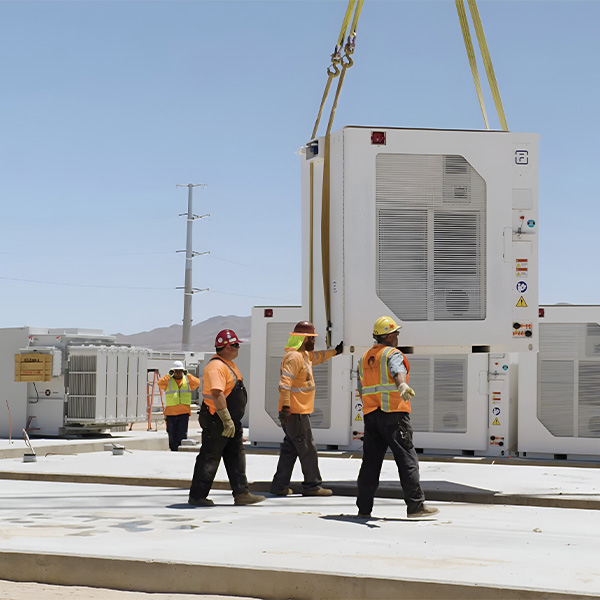
In 2026, utility-scale energy storage projects in the U.S. will face headwinds that could slow the pace of a technology that is fast becoming a global grid staple, warns columnist Dej Knuckey.
Resources for the Future
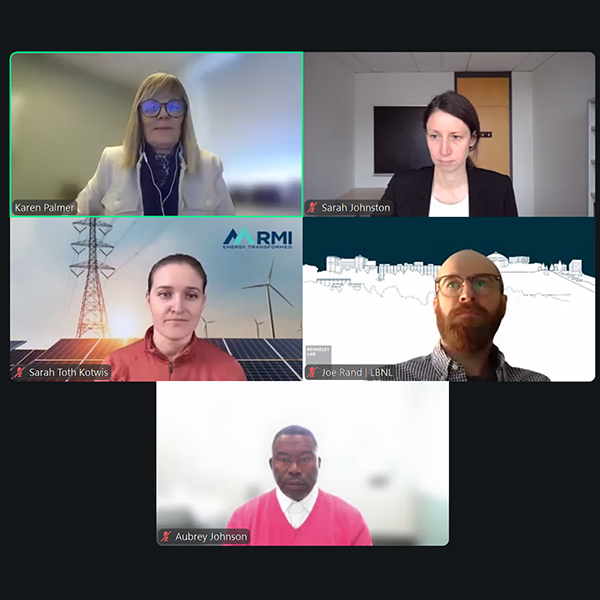
Holistic reform to interconnection barriers is essential to meeting rapidly growing power demand across the country, experts said at a recent webinar.

© RTO Insider
ISO-NE announced it is open to taking on a limited “asset condition reviewer” role, intended to help increase oversight of transmission infrastructure projects.
RMI
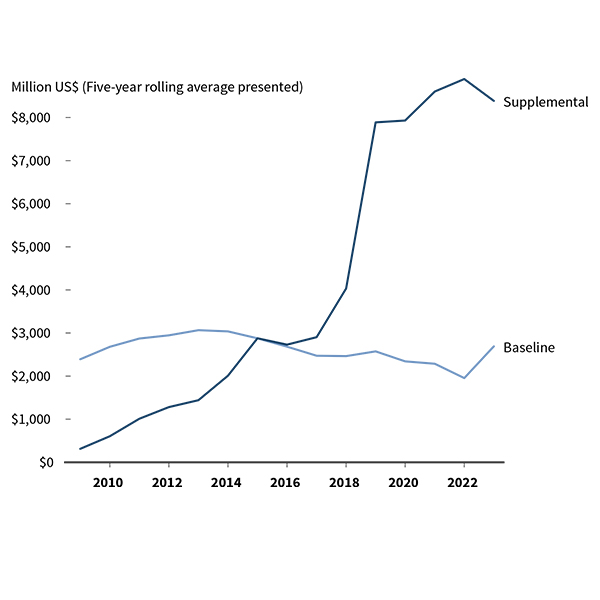
Speakers at a PJM Public Interest and Environmental Organizations User Group meeting said the growth of local transmission projects is a major contributor to grid upgrades making up an increasing share of rates.
RMI VP3
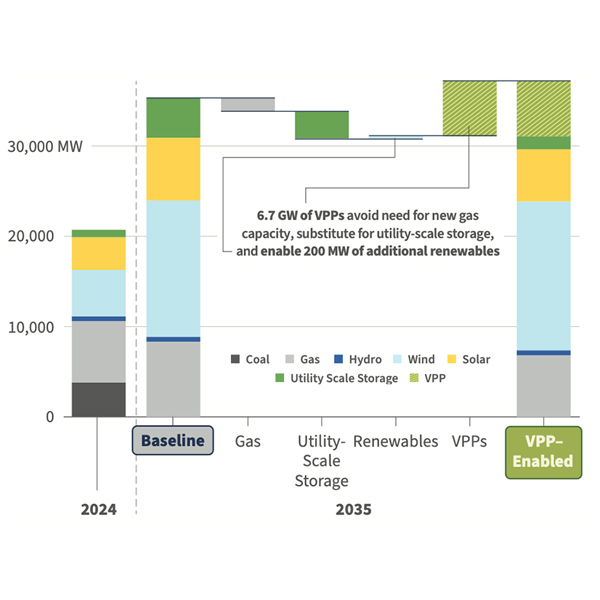
Virtual power plants can help the power grid deal with some of its most pressing issues, such as meeting rising demand and helping to integrate more renewables affordably.
EIA
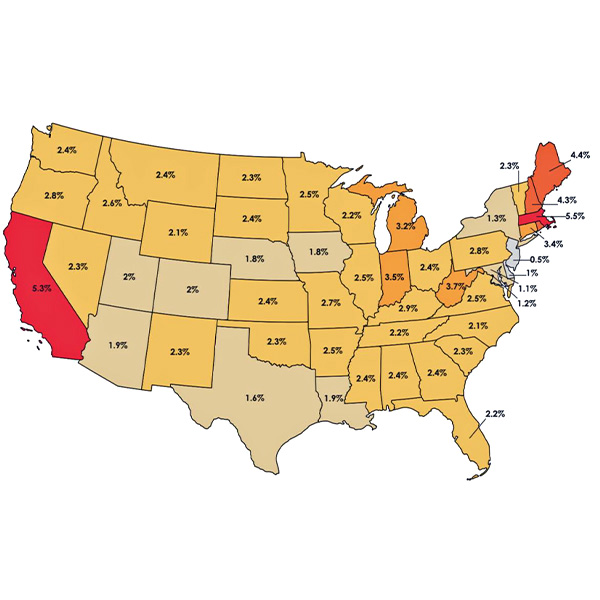
A new report says residential electric rates have been rising at a pace less than inflation in most states since 2010 and the clean energy transition is not driving the increase.
Shutterstock
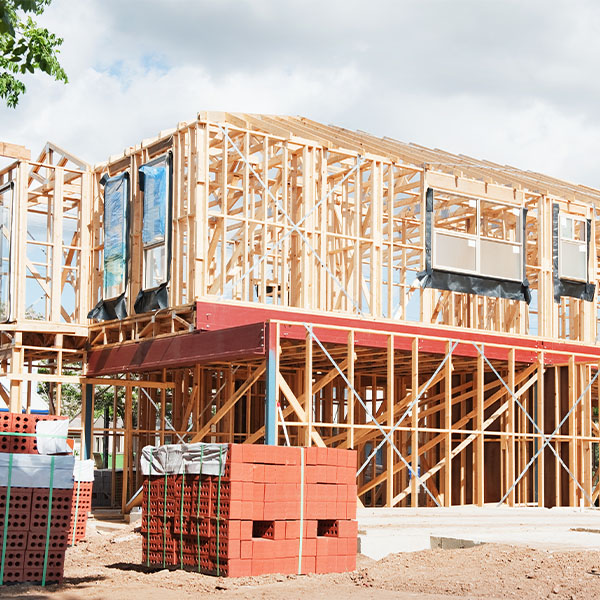
HomebuildersCAN, a new network to accelerate decarbonization of the residential construction sector, will encourage homebuilders to reduce embodied carbon in homes and improve reporting of indirect emissions.
RMI
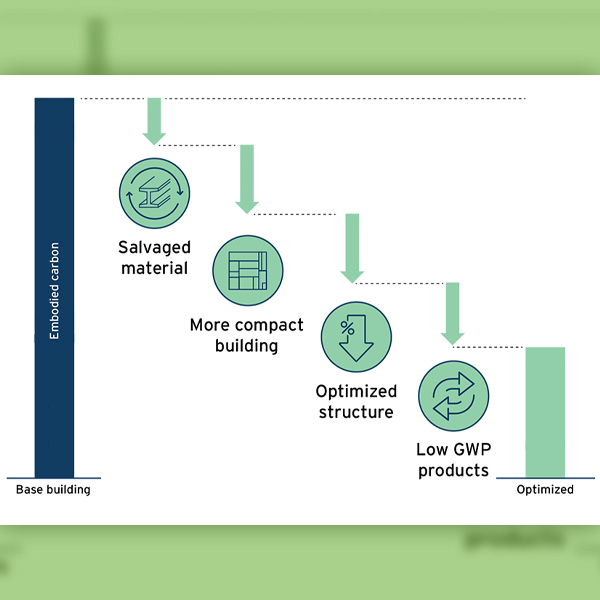
The building sector has the potential to move from being a massive emissions source to a carbon sink, a new report said.
Electric Power Research Institute
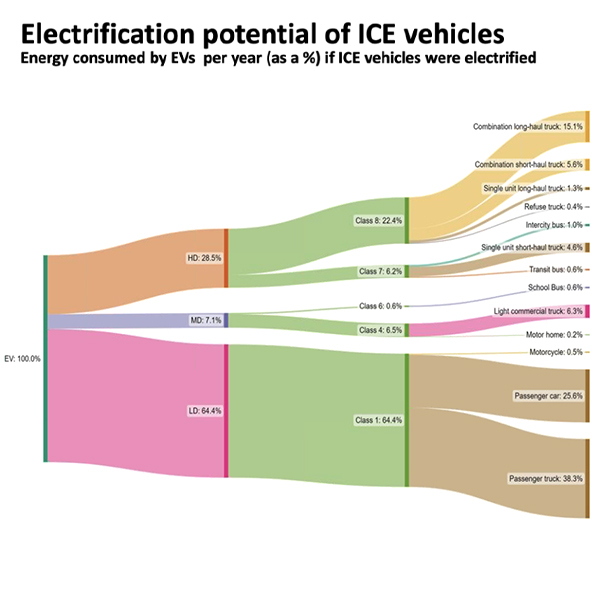
Achieving net zero emissions from transportation by 2050 will require an additional 1,800 terawatt-hours per year, the Electric Power Research Institute said.
Grid Strategies
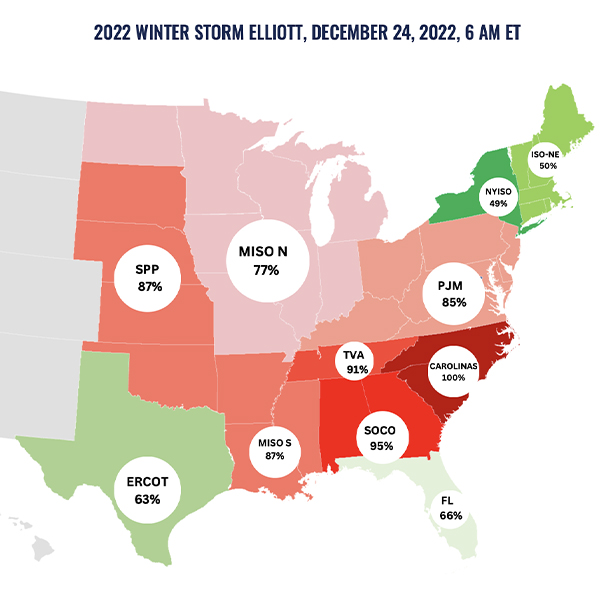
Parties filing comments with FERC on expanding interregional transfer capability mostly supported the concept, though opinions were split on how to get there.
Want more? Advanced Search