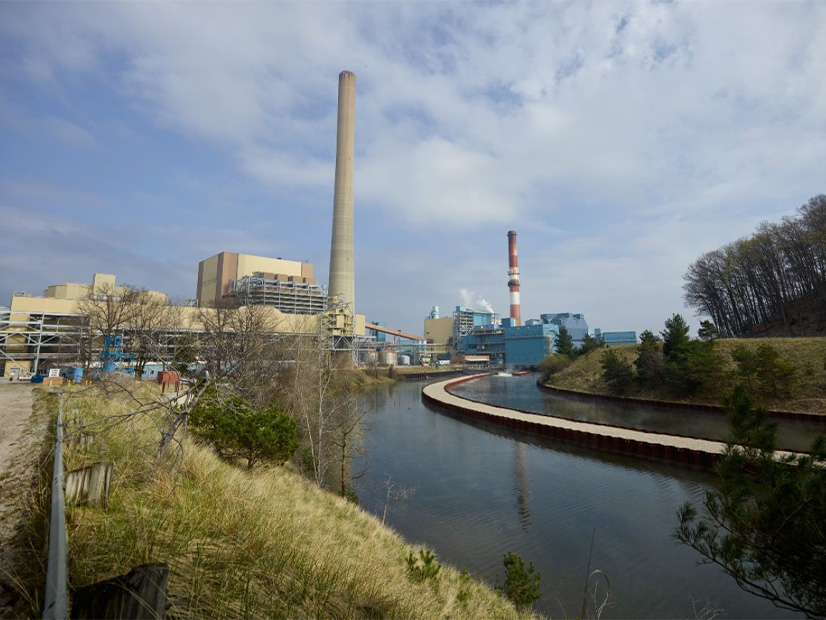
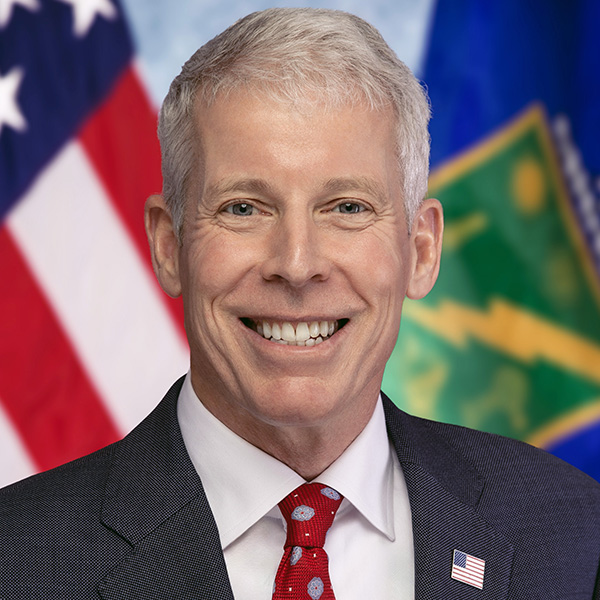
U.S. Energy Secretary Chris Wright said his department is working with utilities around the country to keep more coal plants slated for retirement open to help meet rising demand from data centers and other new large loads.
“What we’re doing now is starting dialogues with utilities across the country, and I will tell you, there’s a large amount of them,” Wright said at an event hosted by Reuters during New York Climate Week on Sept. 25. “They’re saying, ‘Thank God.’”
At the time of President Donald Trump’s second inauguration, there were plans to close up to 100 GW of firm generating capacity. Some of those plants — the older, smaller and least efficient — will shut down, but the Department of Energy is committed to keeping others open, Wright said. The interconnection queues contain mostly wind and solar, with plans for just 22 GW of firm capacity to be built to replace the 100 GW at the start of this year.
“We think we need 100 GW more of firm capacity in the next five years,” Wright said. “So, if we got to get up plus 100, we certainly don’t want to dig a hole to minus 78.”
DOE has used its authority under Section 202(c) of the Federal Power Act to keep open two firm power plants in states with Democratic governors: the Campbell coal plant in Michigan, and the dual-fuel Eddystone in Pennsylvania. Its use of that authority broke with tradition as DOE has used the law mainly to keep plants running when needed for reliability and pollution regulations otherwise would limit their output.
Both of those orders were for this summer, and DOE since has extended them. Michigan Attorney General Dana Nessel and environmental nonprofits have challenged the Campbell order in a case that is working its way through the D.C. Circuit Court of Appeals. (See Opponents Take DOE to Court over J.H. Campbell Retirement Delay.)
The Sierra Club, which is one of the groups challenging the Campbell order, responded to Wright’s comments, saying Big Tech companies behind the data centers that are a main contributor to load growth will be complicit in the “plan to take money out of everyday Americans’ pockets and give it to the fossil fuel industry.”
Consumers Energy — which owns the Campbell plant and had procured replacement capacity for it after a ruling from the Michigan Public Service Commission in 2022 to shut it down — said it would cost its customers $29 million in just over a month of operation under the 202(c) order. (See DOE Extension of Michigan Coal Plant Cost $29M in 1st Month.)
“Donald Trump and his fossilized friends have come up with yet another plan to force hardworking Americans to pay off Big Tech’s energy bills to the tune of billions of dollars — all to prop up a few coal executives,” Sierra Club Senior Adviser Jeremy Fisher said in a statement. “Clean solar and wind energy are the cheapest and fastest sources of electricity, and yet this administration is putting its foot on the neck of a huge source of jobs.”
DOE filed a substantive response to requests for rehearing Sept. 8. It noted that 1,575 MW of natural gas and coal-fired capacity already had retired in MISO since summer 2024.
“In the emergency order, the secretary determined that continued operation of the Campbell plant is necessary to best meet the emergency and serve the public interest for purposes of FPA Section 202(c),” DOE said in the rehearing order. “This determination was based on the insufficiency of dispatchable capacity and an anticipated increase in demand during the summer months, resulting in a risk to public health and safety caused by the potential loss of power to homes and local businesses in areas that may be affected by curtailments or outages.”
Opponents argue the department exceeded its authority in the 202(c) order for Campbell, but the department said it was responding to the potential “shortage of electric energy or of facilities for the generation or transmission of electric energy,” which is clearly allowed in the law.
The department also argued it is not required to work with states before it issues such an order, despite language in the DOE Organization Act that it consult with impacted jurisdictions “where practical.” It argued it often is not practical before taking emergency action.
Michigan, other MISO states and the environmental groups all argue that no real emergency existed to warrant the 202(c) action, but the FPA gives the secretary the authority to determine that an emergency exists.
“Section 202(c)(1) delegates a wide degree of latitude for the secretary to determine the existence of an emergency, ‘either upon its own motion or upon complaint, with or without notice, hearing or report,’” DOE said in the rehearing order. “Beyond providing exemplar categories of where an ‘emergency exists,’ the statute is silent on any additional requirements that must be satisfied.”
The Maryland Office of People’s Counsel wants to intervene in the Campbell case, but DOE filed against that motion Sept. 4, arguing it is not an aggrieved party because the emergency order will not cost the state’s ratepayers anything.
The OPC responded Sept. 12 arguing that the interconnections between MISO and PJM mean ratepayers in Maryland will be directly affected by keeping the plant running.
The order requires the continued use of a high-cost resource that will increase prices in both MISO and PJM, the office argued. It is difficult to quantify these costs, but “even a small amount of money is ordinarily an ‘injury,’” the OPC said. “Maryland ratepayers are captive PJM consumers who, because of the order, cannot benefit from more economically efficient power imports and exports between RTOs, despite a planned, lower-cost replacement for the Campbell plant.”