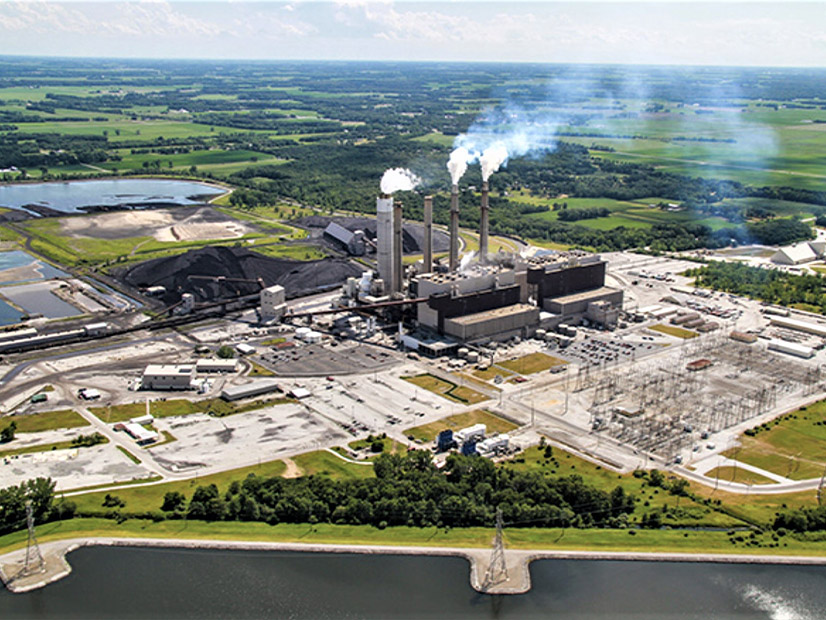
U.S. Secretary of Energy Chris Wright issued more emergency orders under Section 202(c) of the Federal Power Act to keep a pair of Indiana coal plants, F.B. Culley and R.M. Schahfer, running past their previously scheduled retirement at year’s end.
CenterPoint Energy owns the F.B. Culley generating station in Warrick County, Ind., which is made up of two coal-fired units — the 103.7-MW Unit 2 and the 265.2-MW Unit 3, said the order issued Dec. 23. Unit 2 was poised to retire in December 2025, and the order keeps it open until March 23, 2026.
Northern Indiana Public Service Co. (NIPSCO) owns the Schahfer plant, which is made up of two gas-fired units and two coal-fired units at 423.5 MW apiece, the latter of which were going to retire in December. The order keeps the plant open at least until March 23, 2026.
DOE has issued multiple successive orders to keep the Campbell plant in Michigan and the Eddystone plant in Pennsylvania running since this summer. (See State AGs, Enviros Argue Campbell Plant Orders Exceed DOE’s Authority.)
“The Trump administration remains committed to swiftly deploying all available tools and authorities to safeguard the reliability, affordability and security of the nation’s energy system,” Wright said in a statement. “Keeping these coal plants online has the potential to save lives and is just common sense. Americans deserve reliable power regardless of whether the wind is blowing or the sun is shining during extreme winter conditions.”
Both orders cite declining reserve margins in MISO as the reason for keeping the power plants running past their intended retirement dates. The most recent Organization of MISO States and MISO survey of resource adequacy shows a risk of falling short of planned reserve margins later this decade. (See MISO, OMS Report Stronger Possibility for Spare Capacity in Annual RA Survey.)
The orders also note that MISO is trying to address the situation, especially with its Expedited Resource Adequacy Study (ERAS) proposal, which FERC approved this summer. (See FERC Approves MISO Interconnection Queue Fast Lane.)
“The ERAS process should help expedite the construction of needed new capacity,” DOE said in the order. “However, resources studied under the ERAS will have commercial operation dates that are at least three years away and are provided an additional three-year grace period to commence commercial operations.”
Earthjustice called the latest two 202(c) orders a “power grab to override the decisions made in the interest of customers by power companies, grid operators and state utility regulators.”
“The plants at issue here were marked for retirement because coal is expensive and unreliable,” Earthjustice senior attorney Sameer Doshi said in a statement. “These aging power plants emit deadly air pollution, contaminate water with toxic metals, harm our climate and increasingly break down when we need them most — and the Trump administration is now asking ratepayers to pay more to keep burning coal. What’s more, the Federal Power Act should be applied based on its plain text. An event carefully planned for years is not an ‘emergency.’”
Citizens Action Coalition of Indiana Program Director Ben Inskeep said keeping the two coal plants running would add to affordability worries for the state’s ratepayers.
“The federal government’s order to force extremely expensive and unreliable coal units to stay open will result in higher bills for Hoosiers who are already reeling from record-high rate increases in 2025,” Inskeep said in a statement. “We can’t afford this costly and unfounded federal overreach.”