
FERC & Federal
The Federal Energy Regulatory Commission is an independent regulatory agency that oversees the transmission of electricity, natural gas and oil in interstate commerce, as well as regulating hydroelectric dams and natural gas facilities.

Industry needs to improve its ties to state officials, maintain vigilance on cybersecurity, and develop plans to operate control rooms remotely, NERC CEO Jim Robb said.
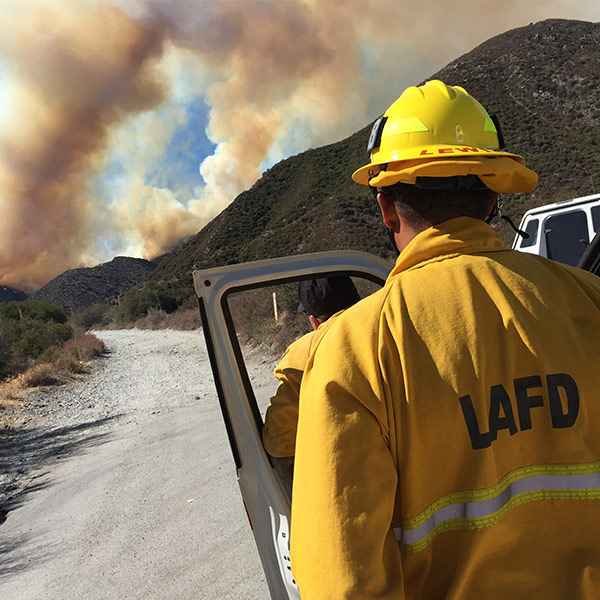
FERC approved NERC reliability standard PRC-024-3, capping a two-year effort to ensure that inverter-based resources can continue to support grid stability.
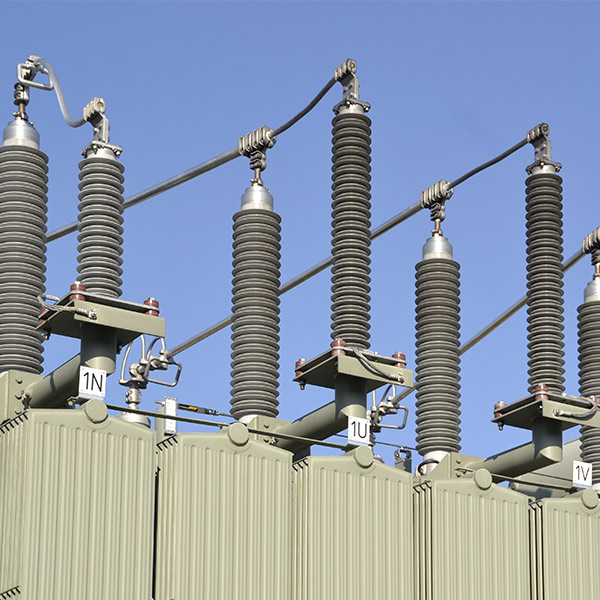
NERC issued its second Level 2 alert of the year to gather data on the BPS’ exposure to “foreign adversaries” in response to an executive order.
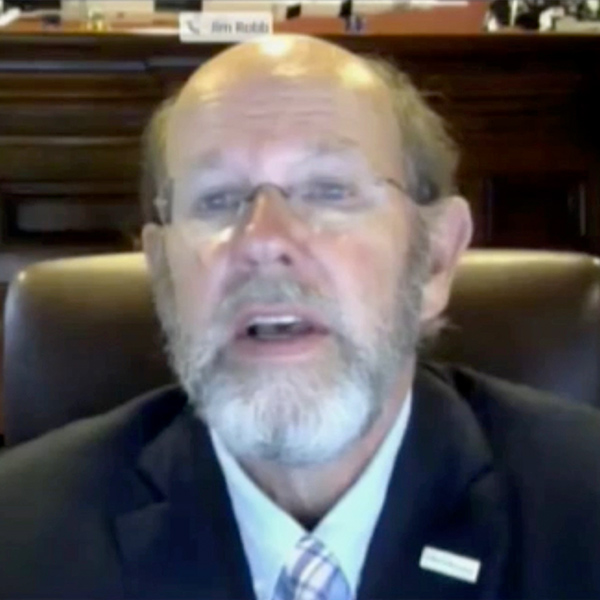
Participants in the first panel of FERC’s two-day technical conference on the impacts of COVID-19 struck a hopeful tone, but also said caution is needed.

FERC has approved a set of amendments to SERC Reliability’s bylaws aimed at creating “a more strategic, efficient and effective governance body.”
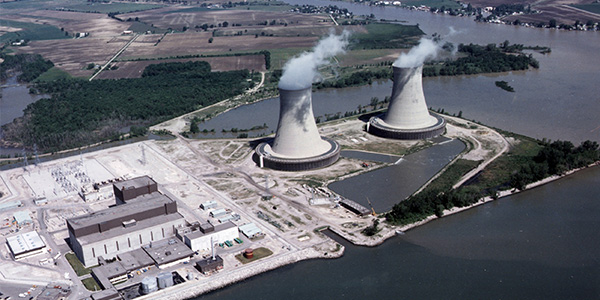
FERC accepted settlements for violations of NERC reliability standards, with AEP, DTE, Eversource, PGE and Exelon among those hit with monetary penalties.
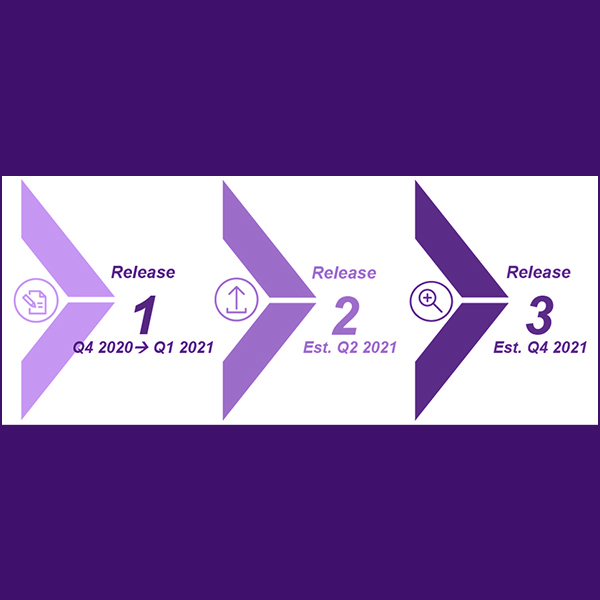
FERC has approved NERC’s request for a $3.8 million budget variance to support development of the ERO Secure Evidence Locker.

FERC is seeking comment on a proposed incentive framework for utilities making cybersecurity investments above the requirements of NERC’s CIP standards.
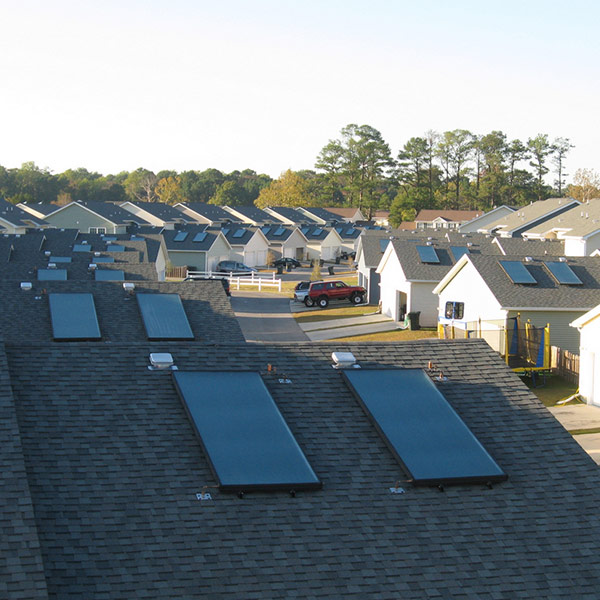
NARUC and NASEO have launched the Cybersecurity Advisory Team for State Solar, aimed at improving cybersecurity defenses in solar energy facilities.
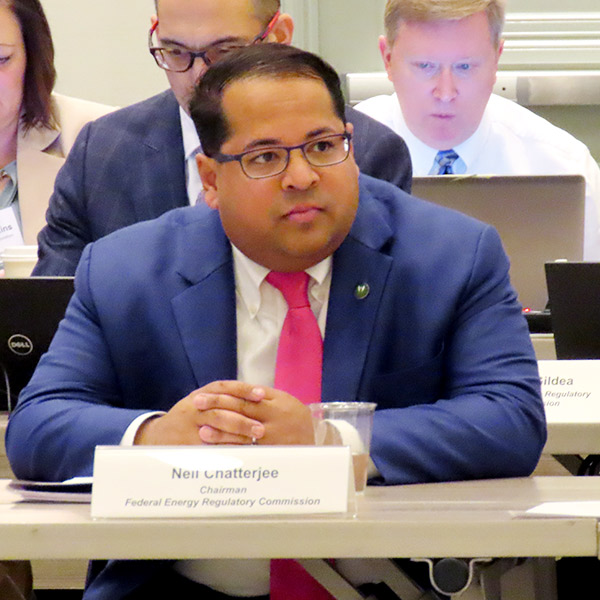
FERC issued a NOI seeking comments on potential gaps in NERC’s critical infrastructure protection standards and what actions it may need to take.
Want more? Advanced Search
