
FERC & Federal
The Federal Energy Regulatory Commission is an independent regulatory agency that oversees the transmission of electricity, natural gas and oil in interstate commerce, as well as regulating hydroelectric dams and natural gas facilities.
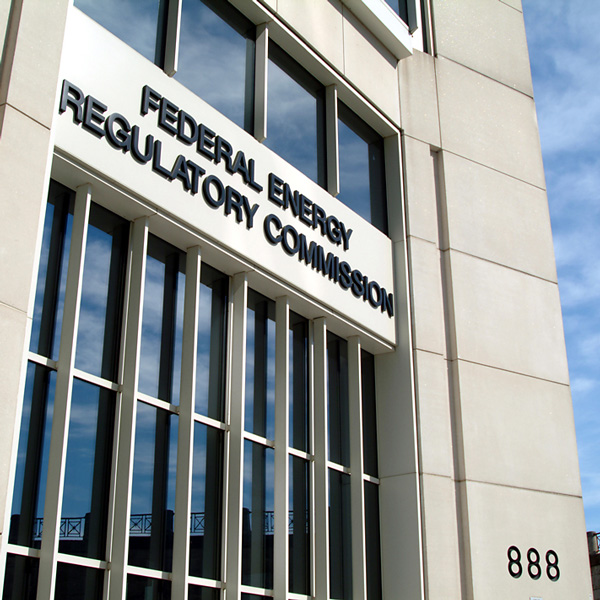
FERC has agreed to NERC's request to defer the implementation of seven reliability standards scheduled to take effect this year.

FERC rejected a complaint by MISO’s Independent Market Monitor that PJM’s pseudo-tie requirement for external capacity resources is unjust and unreasonable.
NERC has requested FERC delay the implementation of several reliability standards that are scheduled to take effect this year due to the COVID-19 pandemic.
FERC has extended the implementation deadline for the latest version of NAESB's standards to July 27, 2021, at the request of SPP and MISO.
FERC granted NERC another extension on the deadline for two compliance filings so the organization can focus on its response to COVID-19.
FERC accepted settlements with Public Service Company of New Mexico and NV Energy for violations of NERC reliability standards.
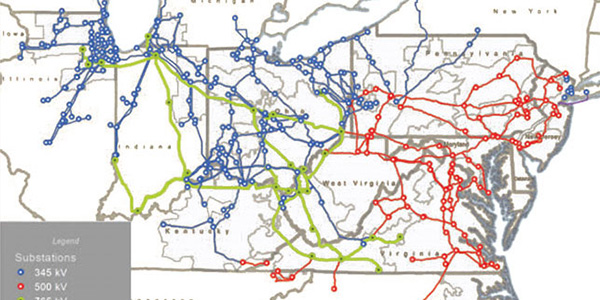
FERC approved the PJM Transmission Owners’ critical infrastructure mitigation plan despite complaints that say it lacks transparency and restricts input.
FERC accepted settlements with Bonneville Power Administration, FirstLight Power and an unnamed entity for violating NERC reliability standards.
FERC granted NERC’s request for more time to submit changes to its Rules of Procedure ordered by the commission in January.
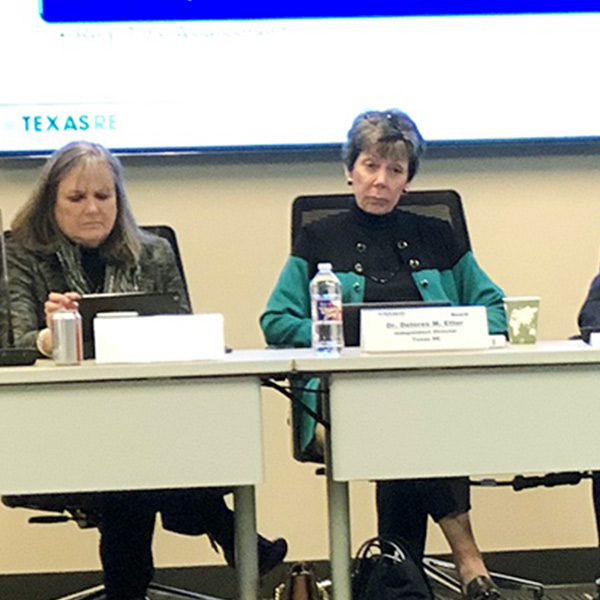
The Texas Reliability Entity will co-host GridSecCon 2020 in Houston with NERC’s Electricity Information Sharing and Analysis Center.
Want more? Advanced Search
