Offshore Wind Power
Shutterstock
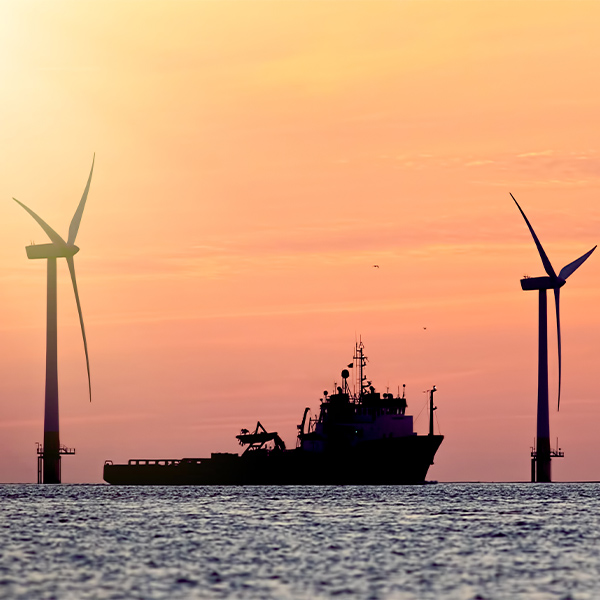
The Massachusetts Department of Energy Resources will delay its next offshore wind solicitation until “at least 2026” due to uncertainty around federal permitting, tax credits and tariffs.

NYSERDA
Ørsted is moving to raise as much as $9.33 billion on its own to finish building the Sunrise Wind project off the New York coast.
Dominion Energy
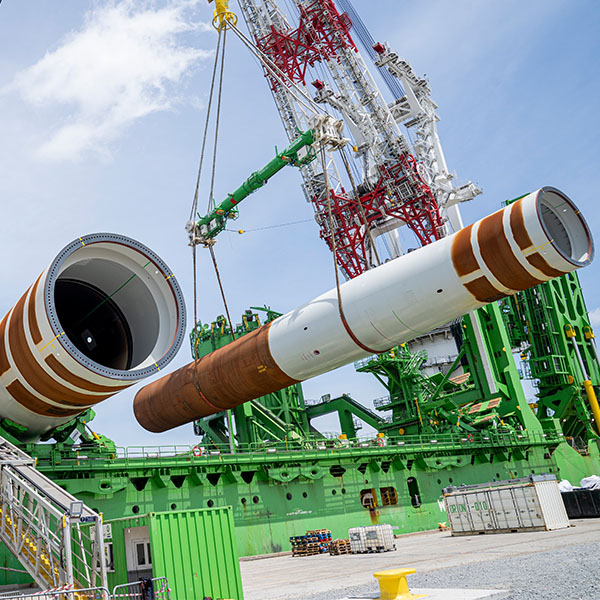
The Department of the Interior has launched an overhaul of all regulations pertaining to wind generation in U.S. waters.

Revolution Wind
The Trump administration has taken further steps to thwart renewable energy development, adding new directives limiting wind and solar development on federal land and at sea.
Dominion Energy
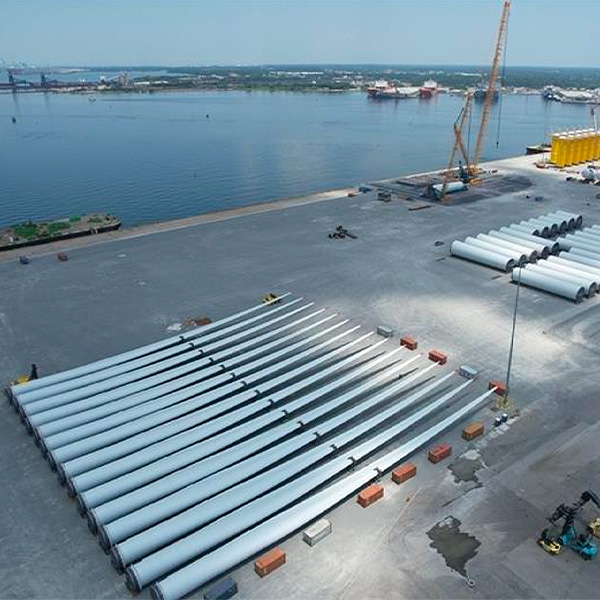
Dominion Energy reported demand growth from data centers in its territory and that its CVOW offshore wind project was more than halfway complete on its second quarter earnings call.
Shutterstock
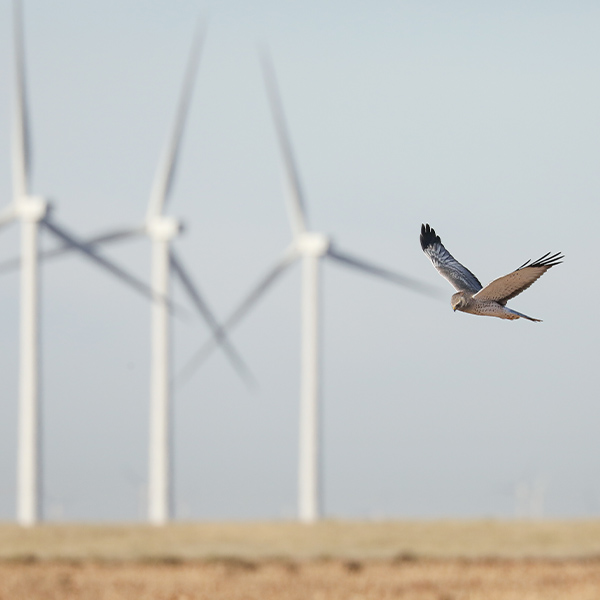
The Department of the Interior on July 29 announced a four-pronged review that continues the president’s efforts to limit some types of renewable energy.
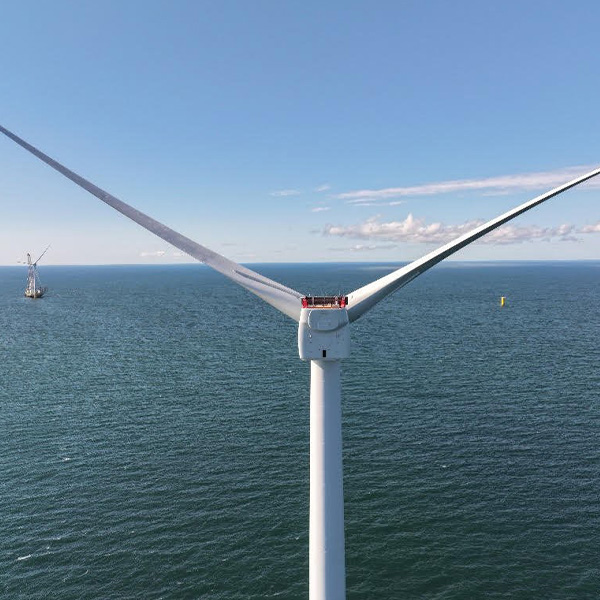
Vineyard Wind
The expedited phaseout of federal tax incentives for renewables threatens projects and jobs across the clean energy industry in New England.
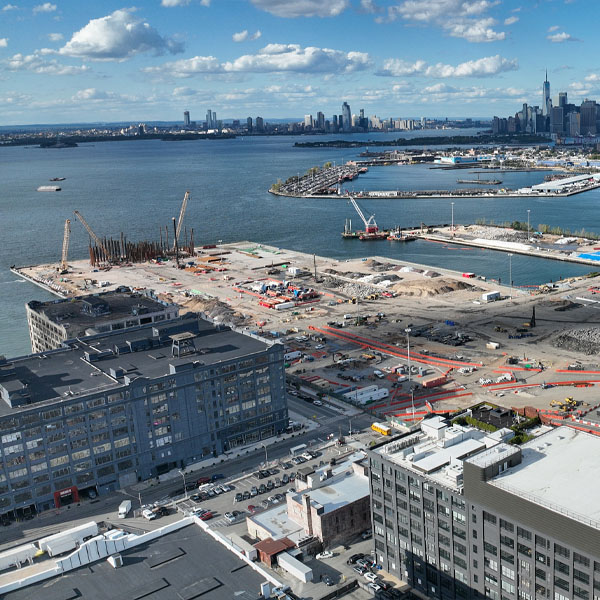
Equinor
Equinor is taking a nearly $1 billion impairment on its U.S. offshore wind development efforts, blaming the Trump administration’s anti-wind power crusade for the impact.
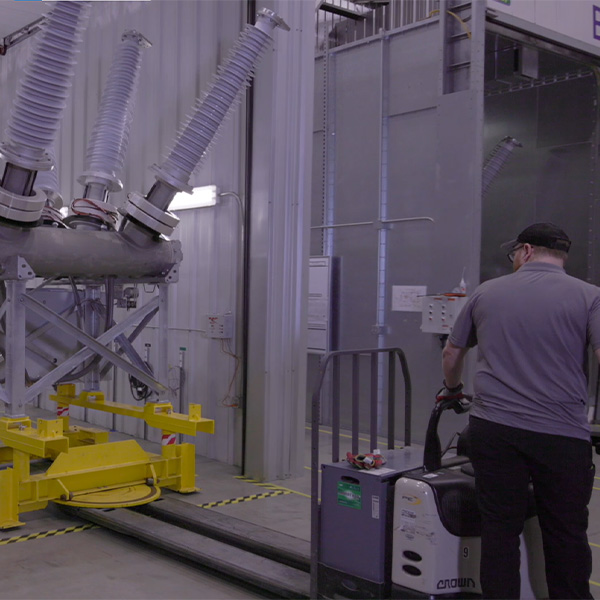
GE Vernova
GE Vernova’s gas power and electrification businesses continue to surge amid growing power demand.
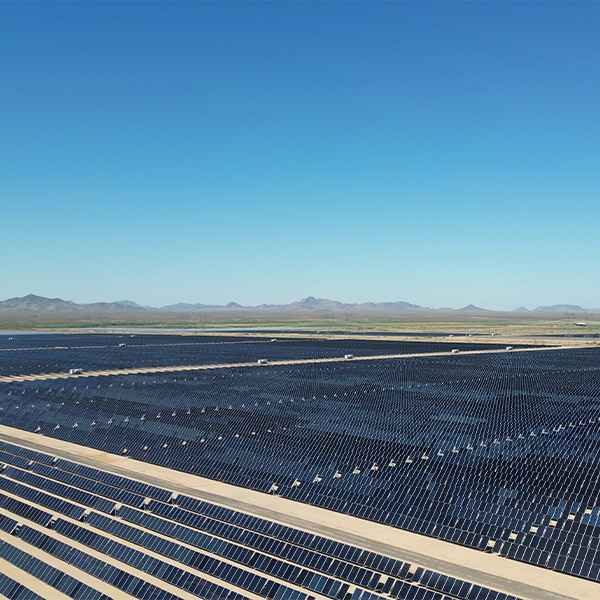
APS
Large-scale solar and wind projects are facing growing local resistance along with federal policy changes.
Want more? Advanced Search