Offshore Wind Power

NYSERDA
The PSC shut down the process to build an underwater transmission network to bring electricity to shore from the hundreds of wind turbines the state hopes to see spinning off its coastline.

Dominion Energy
The Virginia SCC ordered changes to Dominion's IRP filings, requiring scenarios that meet state clean energy goals and have an increased level of storage, efficiency and demand-side management.
Vineyard Wind
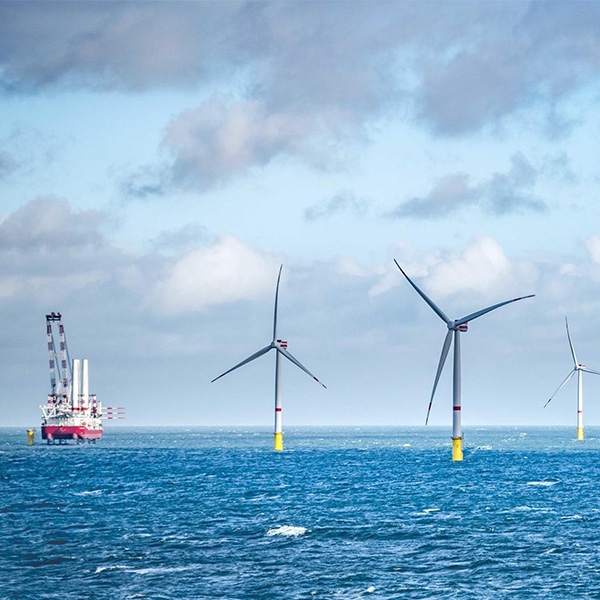
Nantucket said the agreement with GE Vernova for the Vineyard Wind 1 incident is compensation for costs and losses sustained by the town and local businesses.

The White House
How deeply the One Big Beautiful Bill Act will impact clean energy still is being determined.

Dominion Energy
New England’s offshore wind ambitions were dealt a further setback as contract negotiations under way for most of the past year were extended again, potentially into 2026.
BOEM
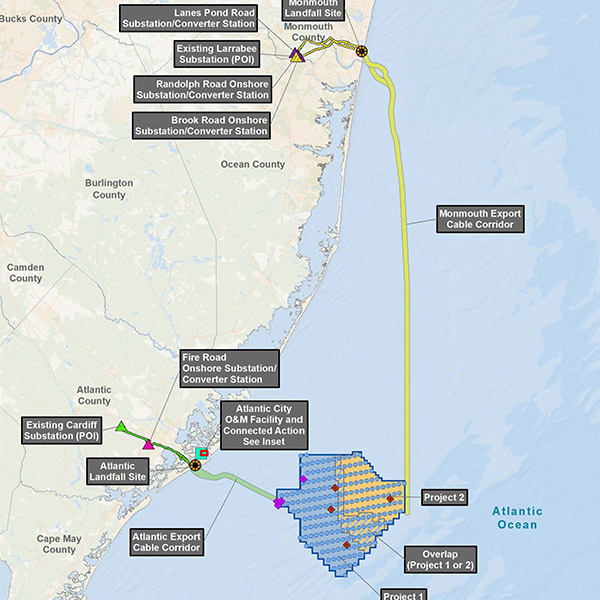
Atlantic Shores Offshore Wind is putting its 1.5-GW New Jersey offshore wind proposal on hold due to oppositional actions by the Trump administration.

© RTO Insider
ERCOT's blossoming clean energy sector has been threatened by bills that would dampen its growth and future investment, but many of those laws appear to have fallen by the wayside in the Texas legislature's closing days.

Sif Group
BOEM lifted a stop-work order on the Empire Wind 1 project in a deal that will have New York work on expanding pipelines into the Northeast, a goal the White House has publicly sought since shortly after President Trump took office.
Standard Solar
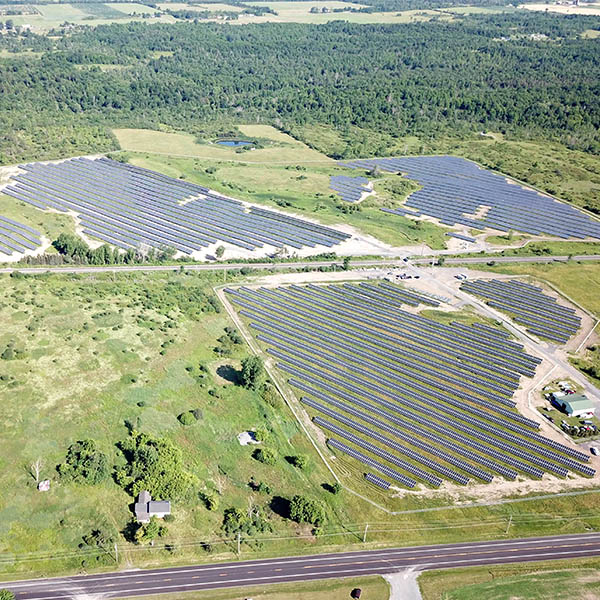
New York is tweaking its approach to clean energy development as it works to get its lagging decarbonization efforts back on track.

© RTO Insider
States looking to upgrade their grid to accept offshore wind power should look for secondary benefits to lure support, speakers said at the International Partnering Forum 25 conference.
Want more? Advanced Search