FERC & Federal
The Federal Energy Regulatory Commission is an independent regulatory agency that oversees the transmission of electricity, natural gas and oil in interstate commerce, as well as regulating hydroelectric dams and natural gas facilities.
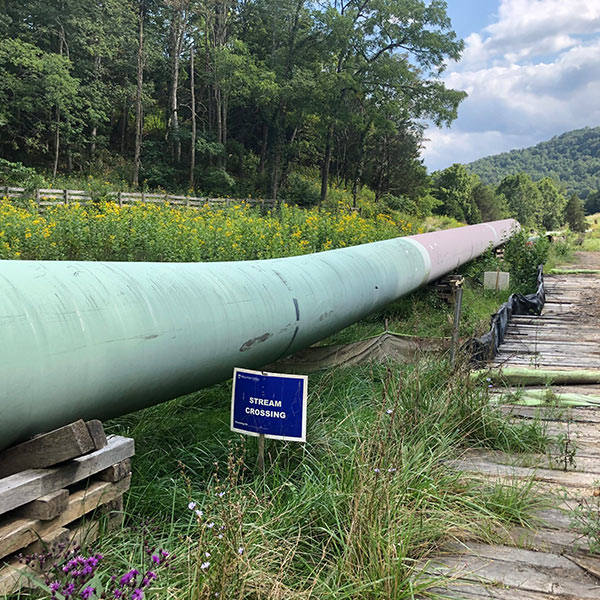
Landowners told FERC that they doubted its new Office of Public Participation would improve the commission’s decision-making on natural gas infrastructure.
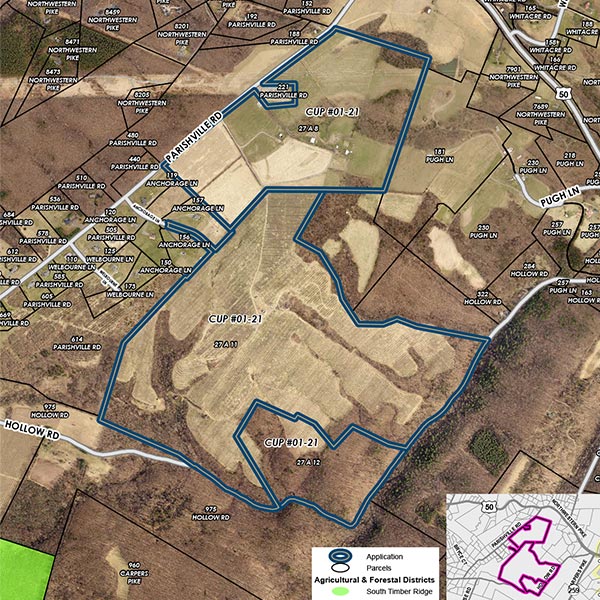
FERC found the tax relief granted to a solar farm being constructed in Virginia does not fall under PJM’s MOPR or qualify as a state subsidy.
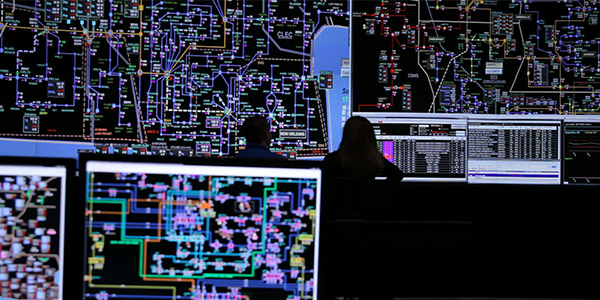
FERC granted MISO permission to embed the production costs of providing spinning reserves in its market prices.
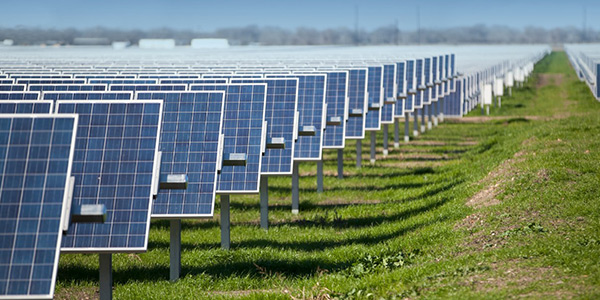
FERC reversed its September order denying a Montana solar hybrid project certification as a qualifying facility because its capacity was too large.
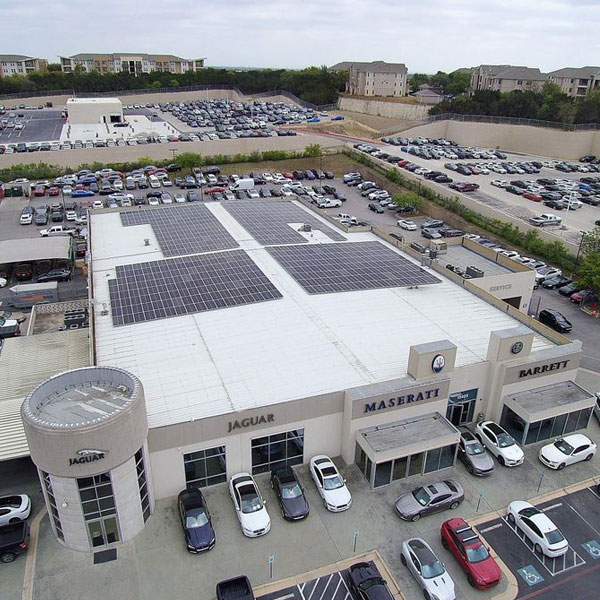
FERC reversed its ruling giving state regulators power to prevent demand response from participating in DER aggregations.
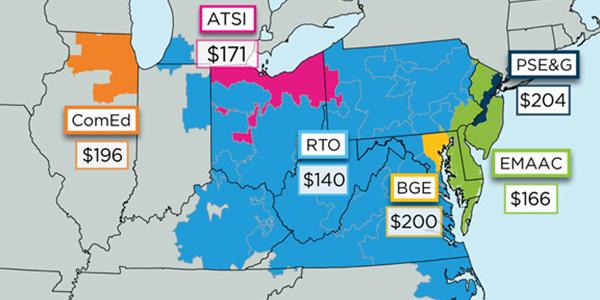
FERC ordered PJM to revise its market seller offer cap to prevent sellers from exercising market power in the RTO’s capacity market.
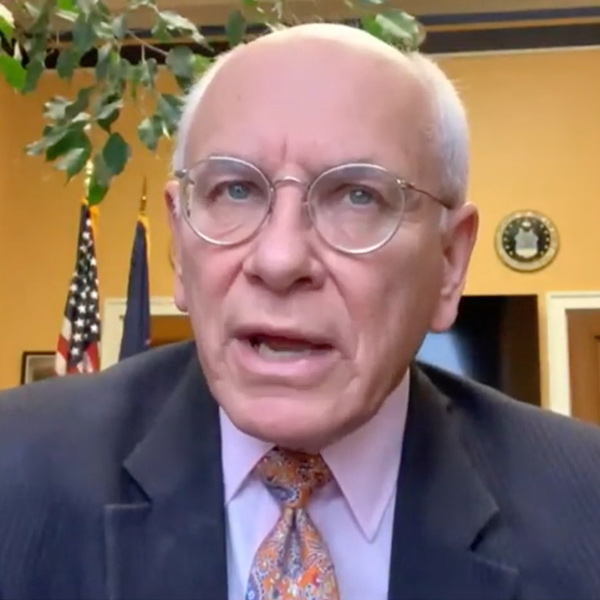
A hearing on the CLEAN Future Act provided a view of the wide gap in policy objectives between Democrats and Republicans.
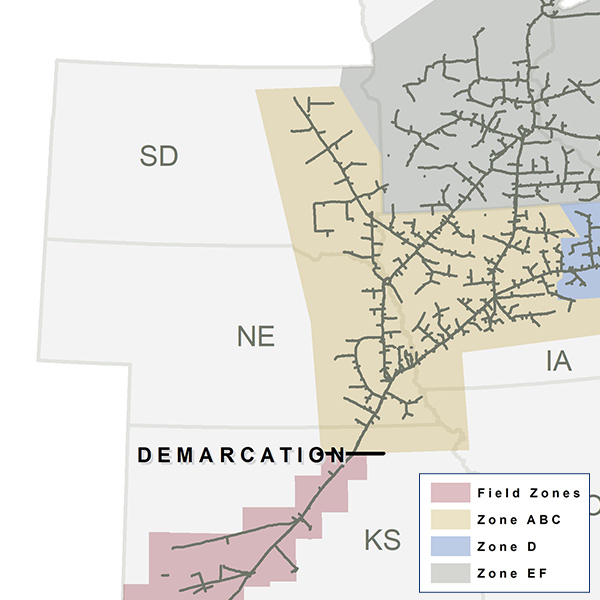
In a shift in commission policy, FERC for the first time assessed the greenhouse gas emissions of a proposed natural gas infrastructure project.
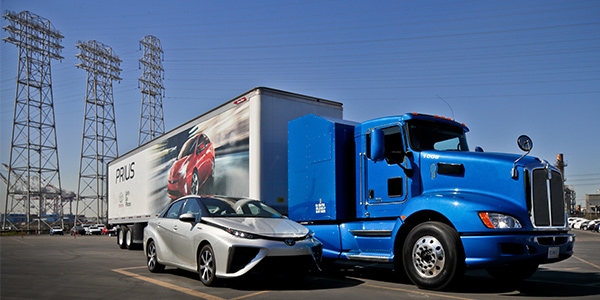
Vehicle industry and government leaders discussed accelerating development of lower-emission technologies with the Senate Energy Committee.
The ISO-NE Consumer Liaison Group’s first meeting of the year featured a discussion on the impact of the Biden administration’s energy policies.
Want more? Advanced Search