ISO-NE
ISO-NE Consumer Liaison GroupISO-NE Planning Advisory CommitteeNEPOOL Markets CommitteeNEPOOL Participants CommitteeNEPOOL Reliability CommitteeNEPOOL Transmission Committee
ISO New England Inc. is a regional transmission organization that oversees the operation of the electricity transmission system, coordinates wholesale electricity markets, and manages power system planning for the states of Connecticut, Rhode Island, Massachusetts, Vermont, New Hampshire, and most of Maine.
Solar Energy Industries Association
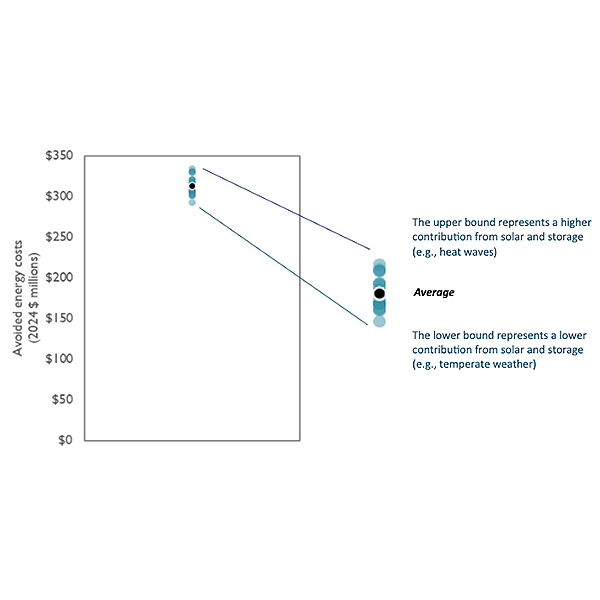
A new report estimates that solar and battery storage growth in New England between 2025 and 2030 could reduce wholesale energy costs across the region by about $684 million annually by 2030.
ISO-NE
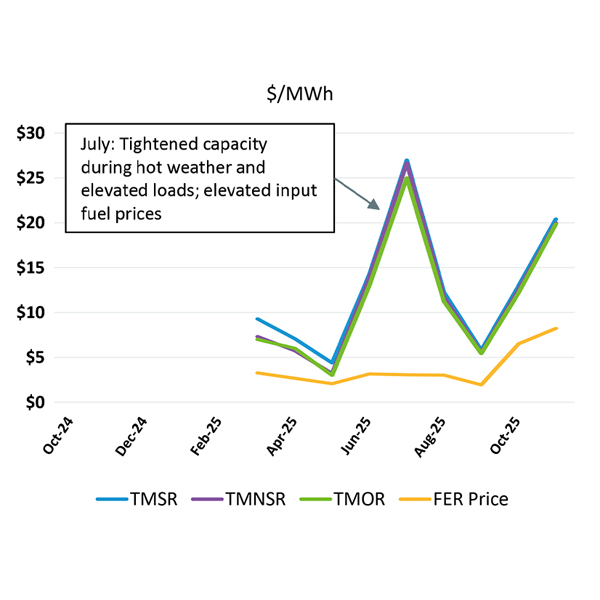
ISO-NE’s new day-ahead ancillary services market added about $258 million in incremental costs between March and August, equal to 7.6% of total energy market costs.
Analysis Group
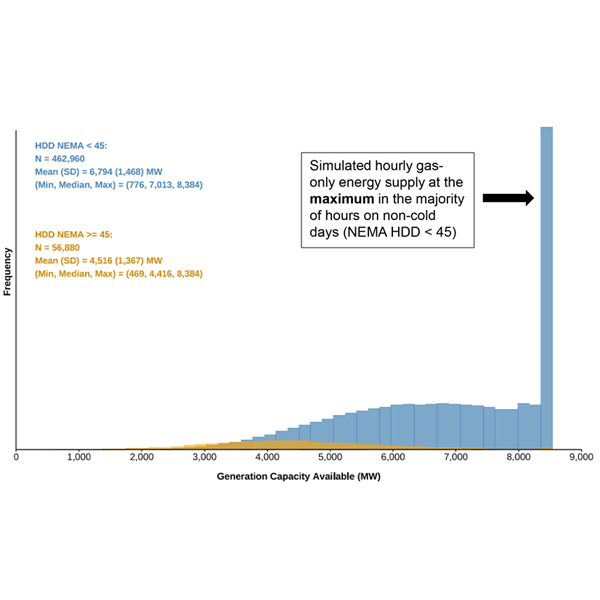
ISO-NE continued work on the second phase of its Capacity Auction Reform project, discussing modeling of the region’s gas constraints, seasonal auction design and its approach to evaluating the impacts of the auction changes.
Charles River Associates
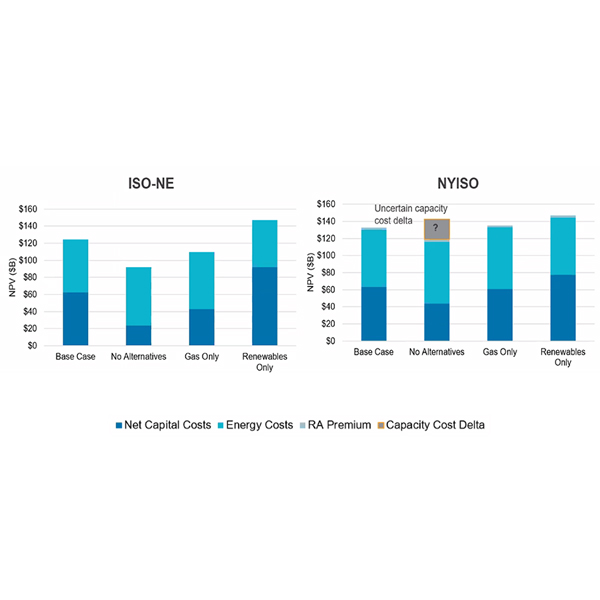
Northeastern power systems cannot afford to drop offshore wind if they are to maintain reliability, reduce emissions and lower electricity prices, according to a new analysis from Charles River Associates.

© RTO Insider
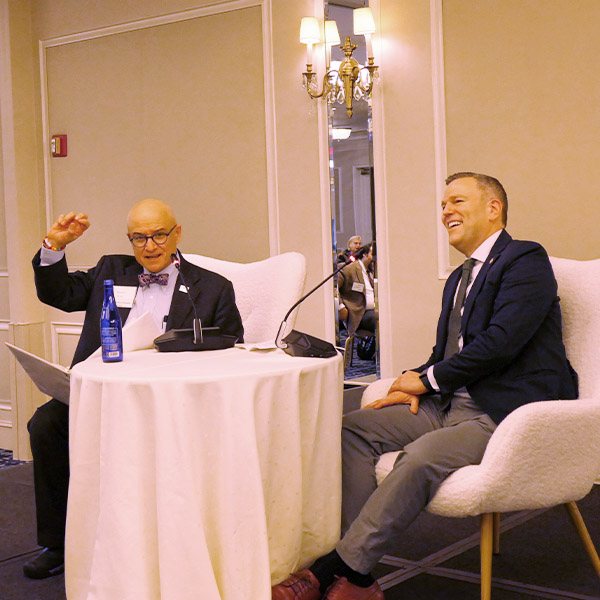
Raab Associates held its final New England Electricity Restructuring Roundtable, bringing reflections from speakers about the legacy of restructuring and the future of the power sector in the region.
© RTO Insider
FERC Commissioner David Rosner was supportive of the Department of Energy’s request that the commission assert authority over the interconnection of large loads while emphasizing the importance of collaboration and consensus-building in response to concerns raised by state regulators.
© RTO Insider LLC
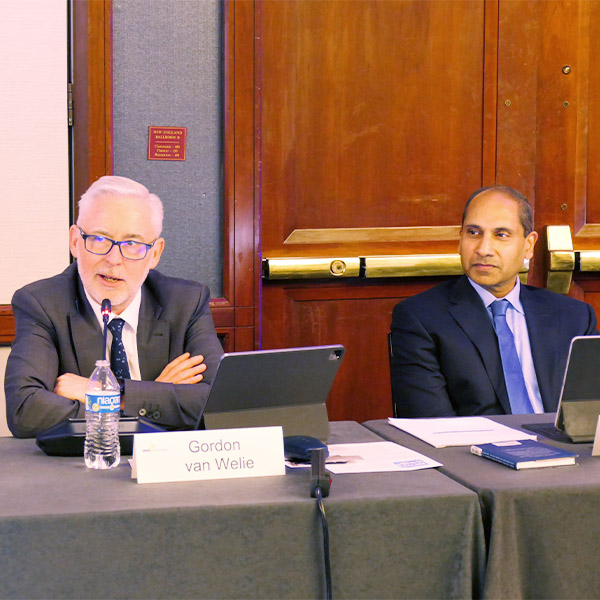
The NEPOOL Participants Committee voted nearly unanimously to support the first phase of ISO-NE’s capacity auction reform project.

© RTO Insider
An increasing political anxiety around energy affordability permeated debates about wholesale market changes, federal policy and demand growth at the annual New England Energy Summit.
Granite Shore Power
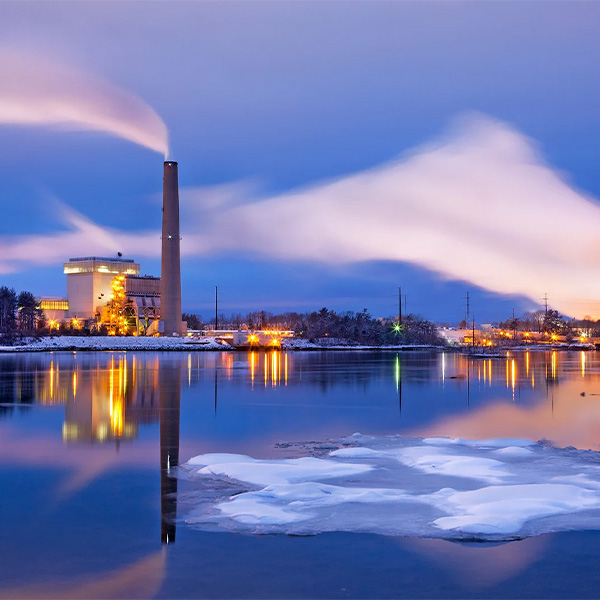
In New England, increasing winter reliability concerns are driving questions about how long the region’s aging fleet of oil-fired power plants can, or should, remain on the system.
ISO-NE
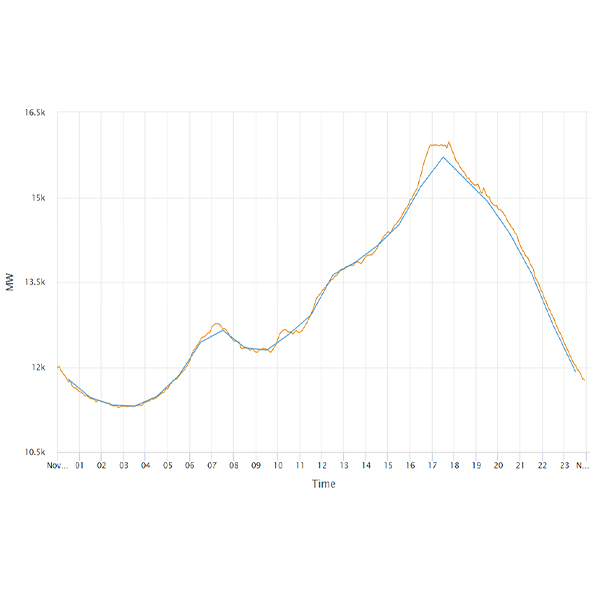
ISO-NE declared a capacity deficiency after an unexpected loss of generation left the region short of its operating reserve requirements.
Want more? Advanced Search