Capacity Market

Shutterstock
Curtailment service providers Voltus and Mission:data have filed a complaint with FERC seeking changes to PJM's data requirements for demand response.
PJM
Stakeholders in the PJM Operating Committee have endorsed manual revisions reflecting the creation of modeling users forum.
© RTO Insider
PJM has withdrawn its non-capacity backed load proposal, shifting the focus of its solution for rising large load additions to creating a parallel resource interconnection queue and reworking price-responsive demand.
ISO-NE
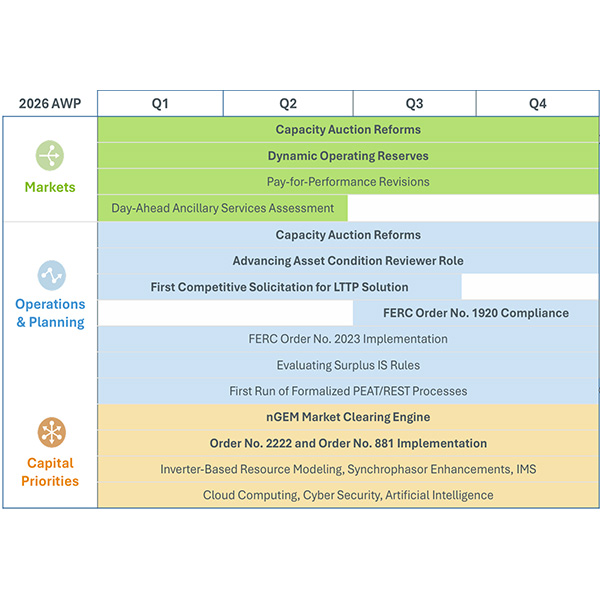
Capacity auction reforms, a new asset condition reviewer role, parallel transmission planning efforts, new reserve products, Pay-for-Performance changes and interconnection modifications are likely to be on the docket for ISO-NE in 2026.
MISO
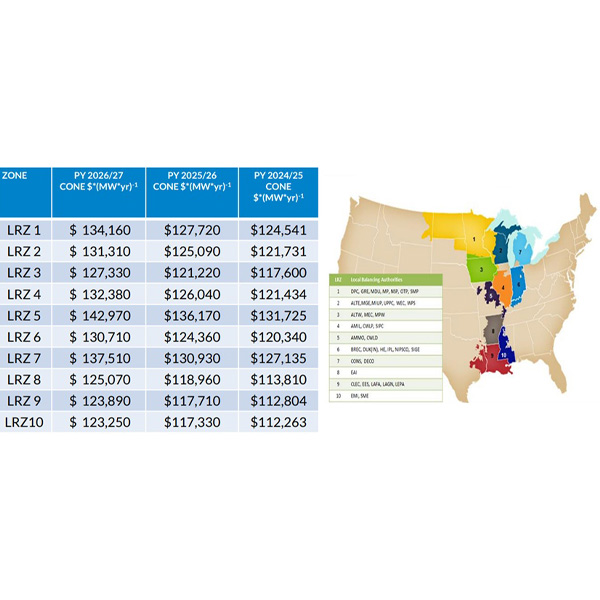
Inflation and higher borrowing costs pushed MISO’s cost of new entry up by about 5% heading into the 2026/27 planning year, but stakeholders are questioning MISO’s use of 2020 data in calculations in order to keep prices lower.
Potomac Economics
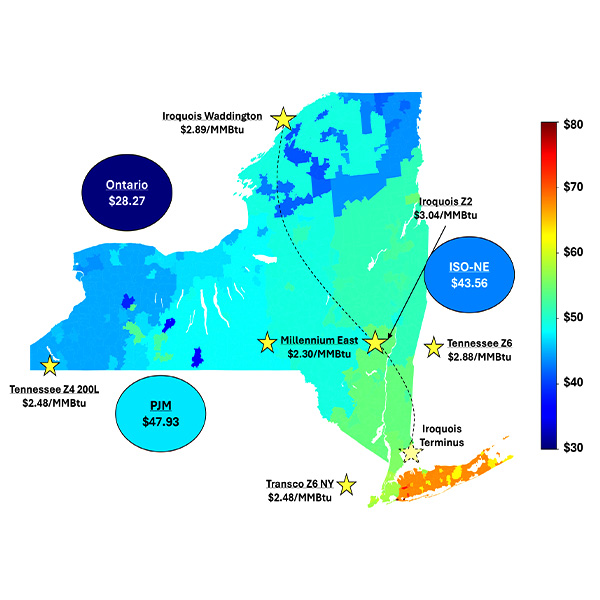
As NYISO continues its Capacity Market Structure Review, the Market Monitoring Unit used its second-quarter State of the Market report to highlight potential issues with how the ISO forecasts resource availability.
© RTO Insider
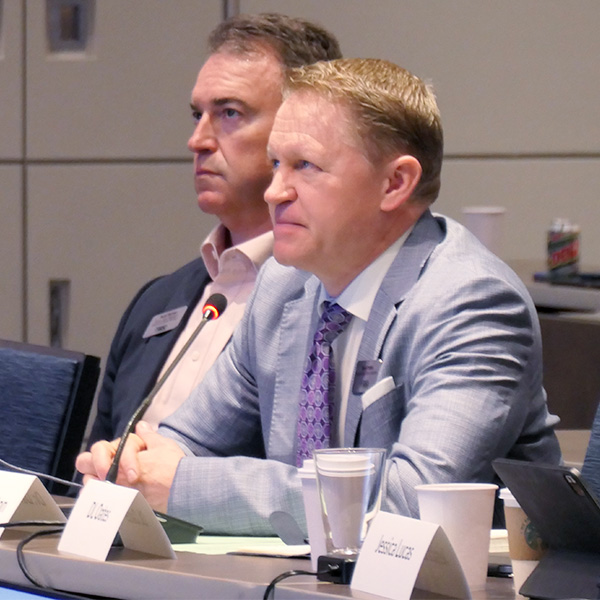
PJM revised elements of its proposal to create a non-capacity backed load product for large loads as the Critical Issue Fast Path embarks on determining how to address the reliability challenges posed by accelerating data center load growth.
© RTO Insider
MISO’s Independent Market Monitor said the recently uncovered, eight-year-old repeat error in the RTO’s capacity market that caused a $280 million impact in this year’s auction alone is unfortunate but insisted the resulting prices were efficient.

© RTO Insider
The PJM Market Implementation Committee voted to endorse two packages of revisions to key parameters of the capacity market out of six offered by PJM and stakeholders that resulted from the Quadrennial Review.
PJM
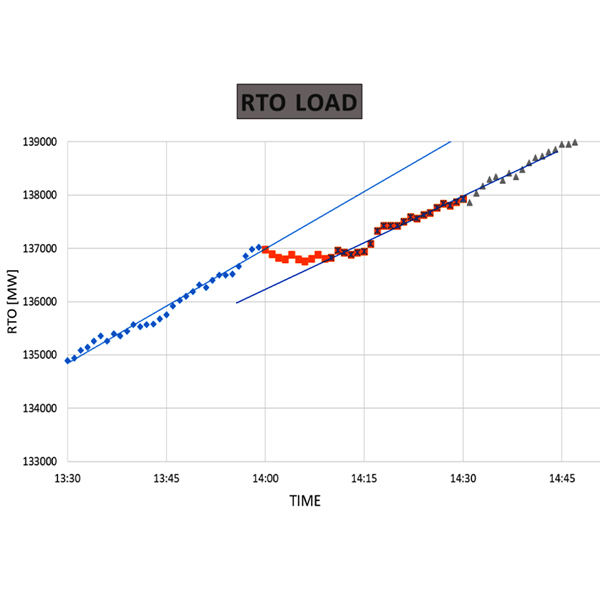
PJM's Operating Committee heard an update on the Aug. 11 load-shedding event in Baltimore, which brought 20 MW offline for about half an hour following equipment failures at the Brandon Shores substation
Want more? Advanced Search