Capacity Market
Calpine
ISO-NE kicked off NEPOOL discussions for the second phase of its capacity auction reform project, beginning long-awaited talks on accreditation and seasonal capacity auction changes.
© RTO Insider LLC
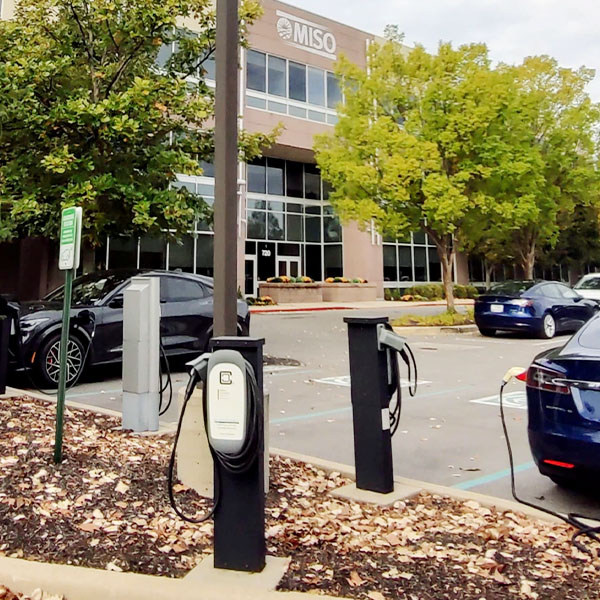
MISO said a yearslong software error caused it to clear more capacity than intended in past capacity auctions and which has resulted in an approximate $280 million impact to market participants in this year’s auction.
ISO-NE
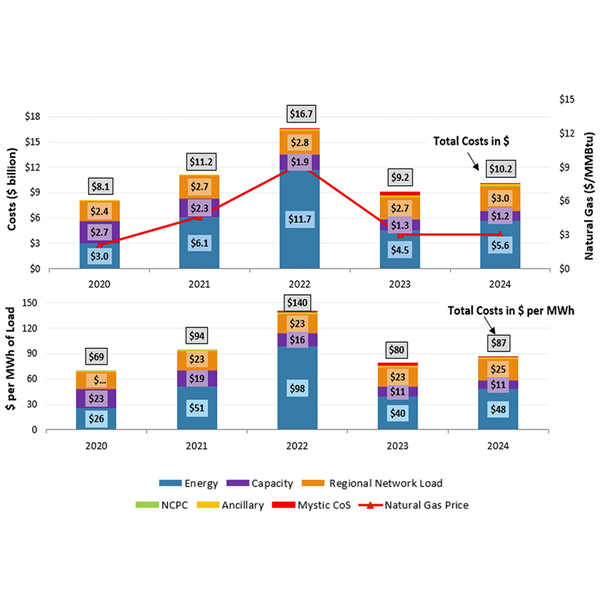
The New England wholesale electricity markets performed competitively in 2024, while decreased imports and higher emissions compliance rates increased overall market costs, the ISO-NE Internal Market Monitor told the NEPOOL Participants Committee.

NextEra Energy
ISO-NE said it is open to capping the balancing ratio used to calculate Pay-for-Performance payments to prevent capacity resources from being required to provide more power than their capacity supply obligations.
MISO
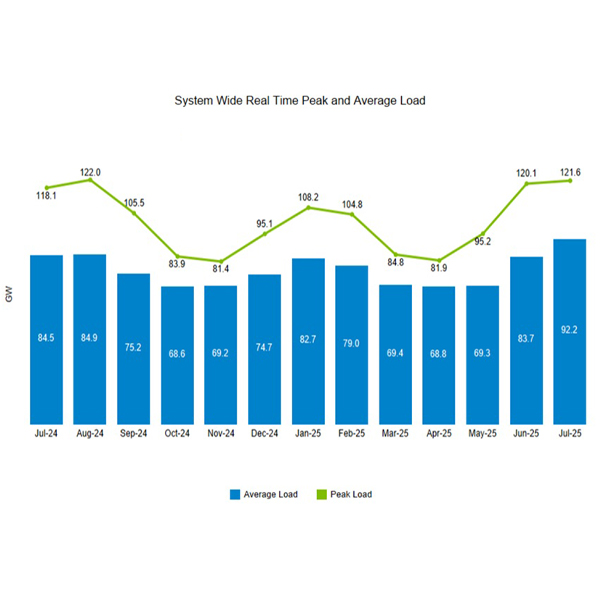
MISO is poised to close the door on summer with an almost 122-GW peak while issuing several capacity advisories for MISO South.

NRG
PJM's IMM is pushing for limits on NRG after it completes its deal with LS Power to prevent its exercise of market power, but the firm argues they are unneeded and the Monitor has failed to show its math

Burns & McDonnell
As the first phase of ISO-NE’s capacity market overhaul nears its final form, New England stakeholders remain mixed on the proposed move from a forward to a prompt capacity auction.
Daymark Energy Advisors
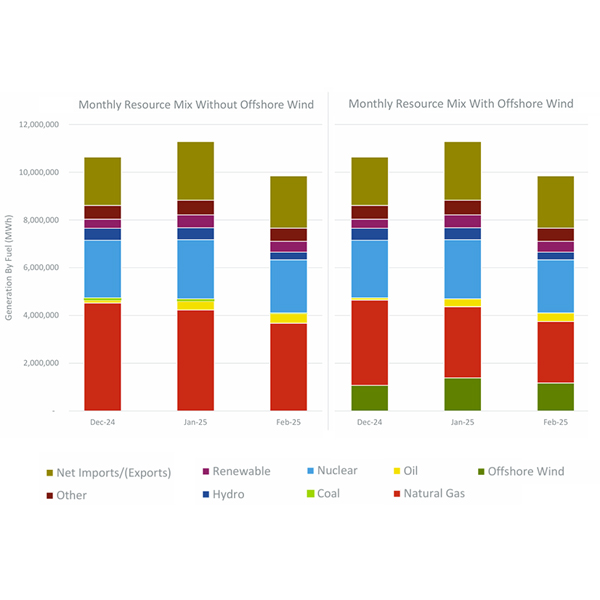
The addition of 3,500 MW of offshore wind capacity would have reduced ISO-NE energy market costs by about $400 million over the past winter, according to a recent study by Daymark Energy Advisors.

© RTO Insider LLC
The Markets and Reliability Committee rejected three proposals to revise aspects of PJM’s effective load-carrying capability accreditation model.

Ben Schumin, CC BY-SA-2.0, via Wikimedia
NYISO has proposed to stop using “winter to summer” and “summer to winter” ratios to determine maximum clearing and reference point prices in its seasonal demand curves.
Want more? Advanced Search