Markets

© RTO Insider LLC
Three independent SPP board members providing oversight of the RTO’s Markets+ development in the West have called for policy- and decision-makers to allow the process to “follow its natural course.”
Goldman-Sachs Renewables
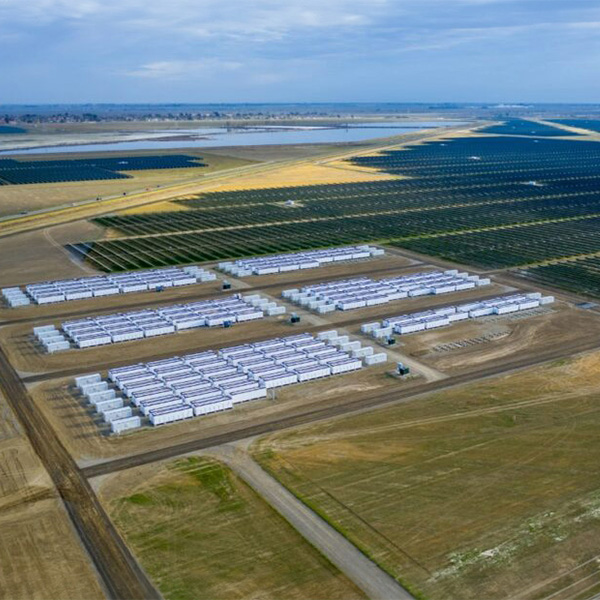
Hybrid power plants, especially projects combining solar and storage, represent a growing amount of new generation online and in interconnection queues across the U.S., signaling a shift in how renewable power can be integrated into electric power markets, according to a new report from the Lawrence Berkeley National Laboratory.

SPP
FERC has accepted SPP tariff revisions that allow make-whole payments for incremental energy costs affected by incremental energy offer caps under Order 831, regardless of the resource's reason for commitment.

© RTO Insider LLC
MISO said it managed a milder summer overall compared to previous years, though it weathered two hurricanes and escalated into emergency warnings during a heat wave.
The Brattle Group
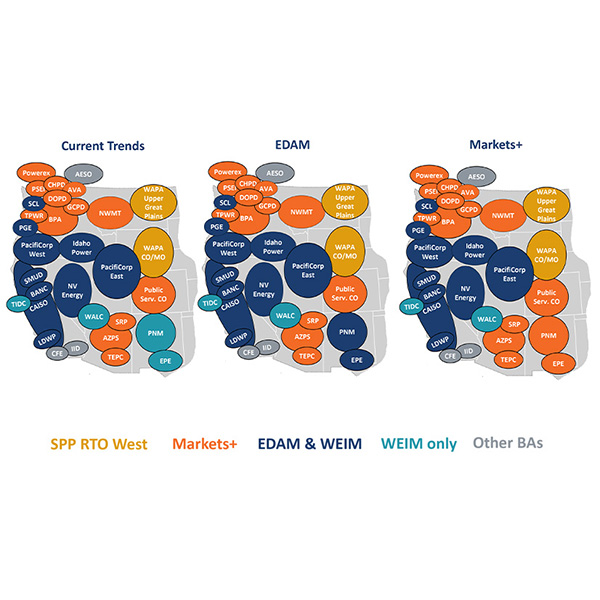
Proponents of SPP’s Markets+ contend in their latest “issue alert” that the framework provides a much more equitable solution to tackling market seams than under CAISO’s EDAM.
West-Wide Governance Pathways Initiative
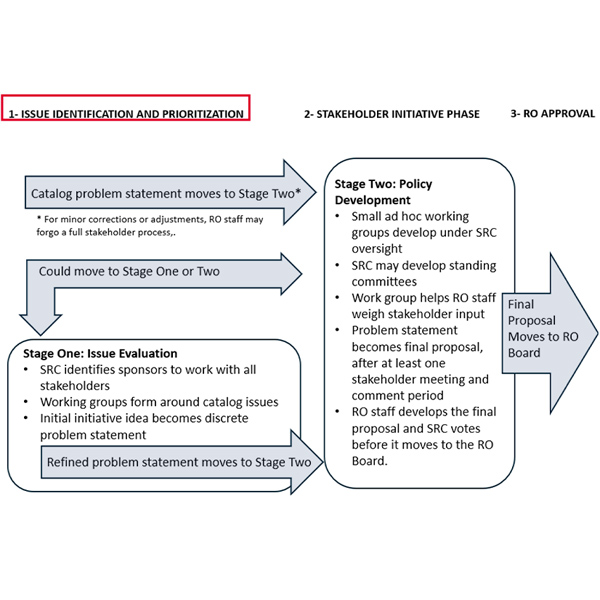
Stakeholder comments filed with the West-Wide Governance Pathways Initiative illustrate the complexity of building the new kind of Western regional organization envisioned by backers of the effort.

Shutterstock
NYISO presented its final interim staff recommendations for the demand curve reset for 2025-2029 at the Installed Capacity Working Group’s meeting, with minor updates to some metrics.

© RTO Insider LLC
A PJM discussion on expanding the demand response winter availability window to include a wider range of hours branched off into a broader conversation on how the resource class participates in the RTO's capacity market.
SEEM
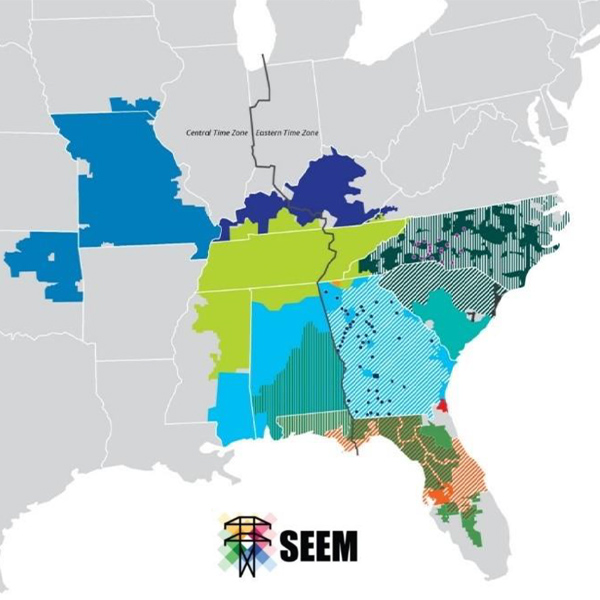
SEEM's opponents argued that FERC should recognize the market as a loose power pool and regulate it accordingly.
PJM
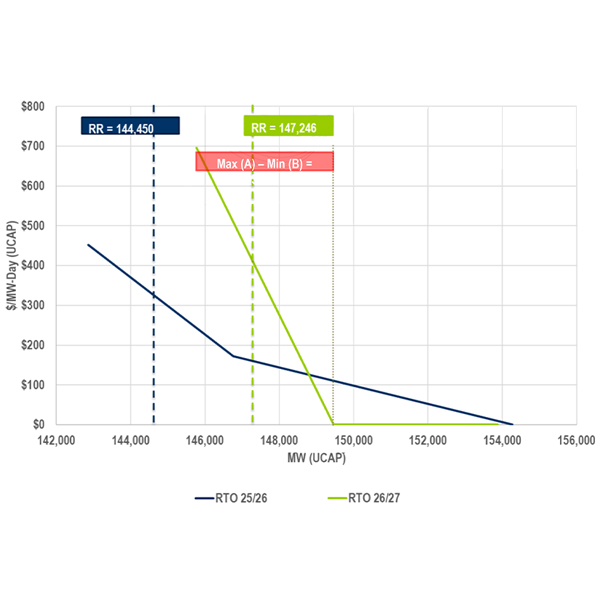
PJM presented how the planning parameters for the 2026/27 Base Residual Auction affected the variable resource rate curve, which intersects with supply and demand to determine auction clearing prices.
Want more? Advanced Search