Public Policy
Environmental RegulationsReliabilityState & RegionalAlabamaAlaskaArizonaArkansasCaliforniaColoradoConnecticutDelawareDistrict of ColumbiaFloridaGeorgiaHawaiiIdahoIllinoisIndianaIowaKansasKentuckyLouisianaMaineManitobaMarylandMassachusettsMichiganMinnesotaMississippiMissouriMontanaNebraskaNevadaNew HampshireNew JerseyNew MexicoNew YorkNorth CarolinaNorth DakotaOhioOklahomaOntarioOregonPennsylvaniaRhode IslandRTO-IndianaSouth CarolinaSouth DakotaTennesseeTexasUtahVermontVirginiaWashingtonWest VirginiaWisconsinWyoming
Walters Group
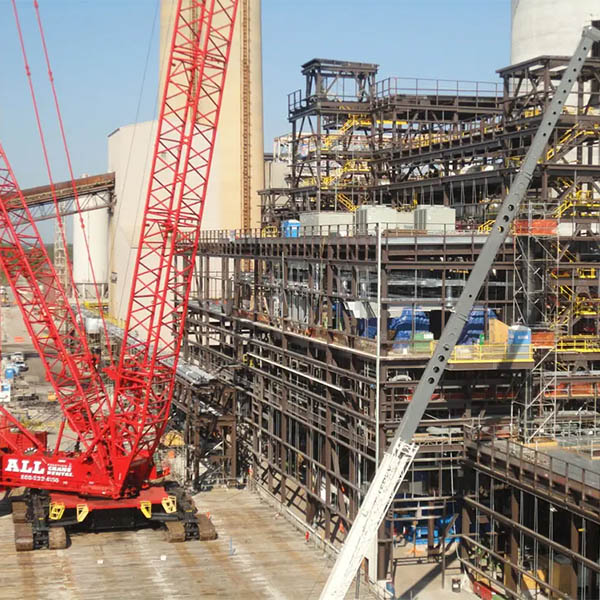
State regulators in MISO asked FERC to let power industry stakeholders determine how to allocate the costs for an Indiana coal plant forced to stay online by the Trump administration’s Department of Energy.
LS Power Grid
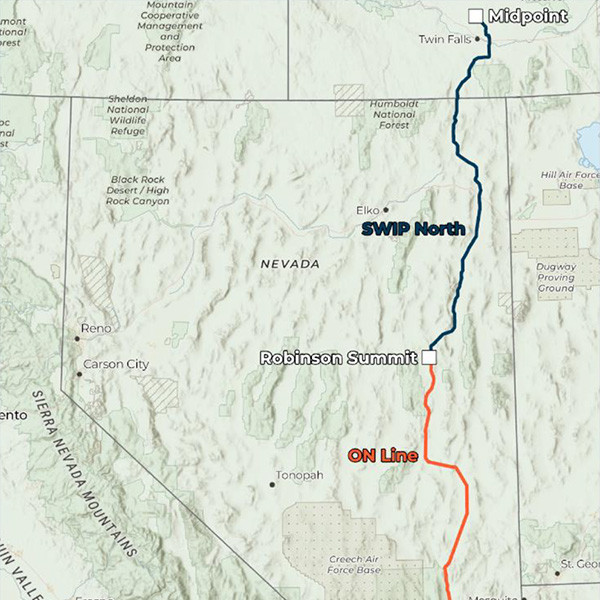
Nevada regulators approved a construction permit for the SWIP-North transmission line, keeping the project on track for a 2028 operation date.
Hydro-Québec
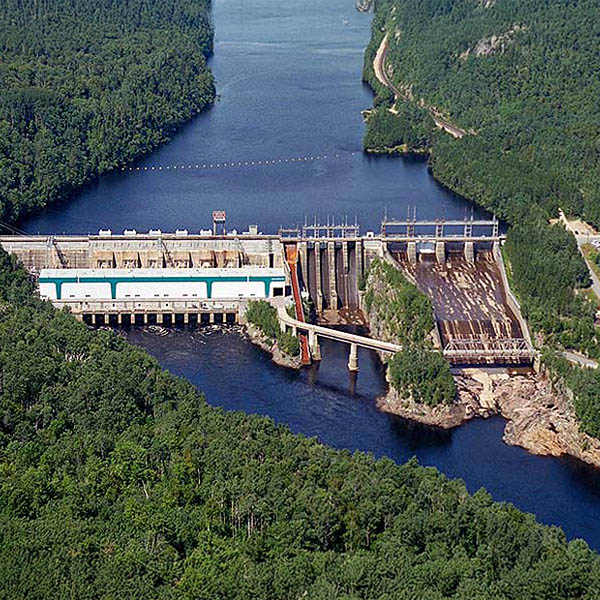
As extreme winter weather descended on the Eastern U.S. and Canada, Hydro-Québec suspended power exports to New England on the New England Clean Energy Connect transmission line because of reliability concerns in Québec.
© RTO Insider
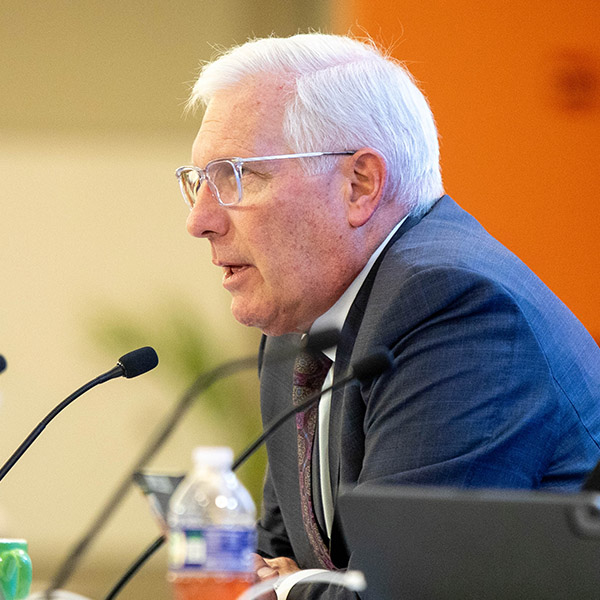
PJM presented manual revisions to clarify how resources are defined as offline for the purpose of determining whether they are eligible for lost opportunity cost credits.
© RTO Insider LLC
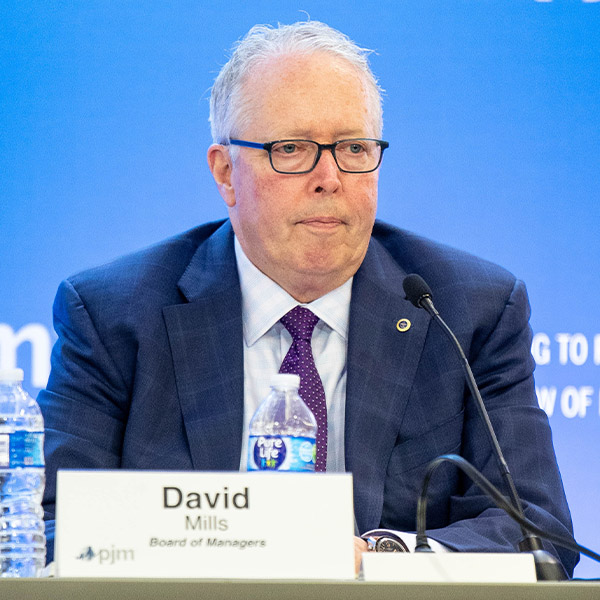
PJM stakeholders kicked off discussions on creating a “backstop” auction to be held in September at the insistence of the Trump administration and the governors of the RTO’s 13 states.
Yes Energy
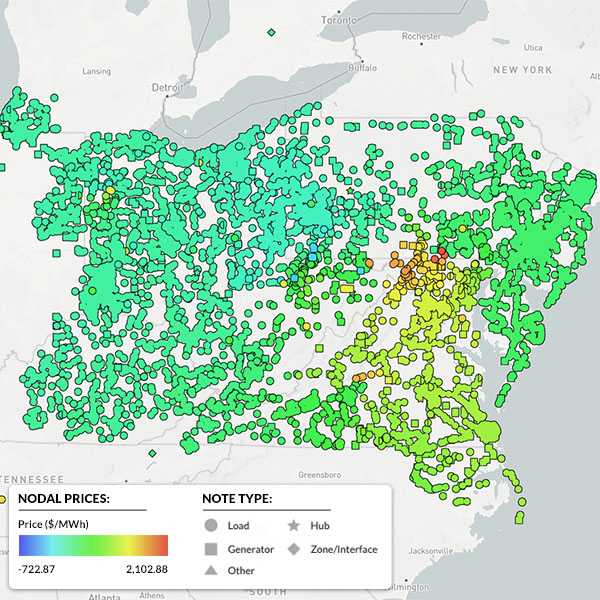
The winter storm that moved through Texas and much of the Eastern Interconnection cut power to hundreds of thousands of people and stressed the bulk power system, but did not create major disruptions like other storms earlier this decade.
California Energy Commission
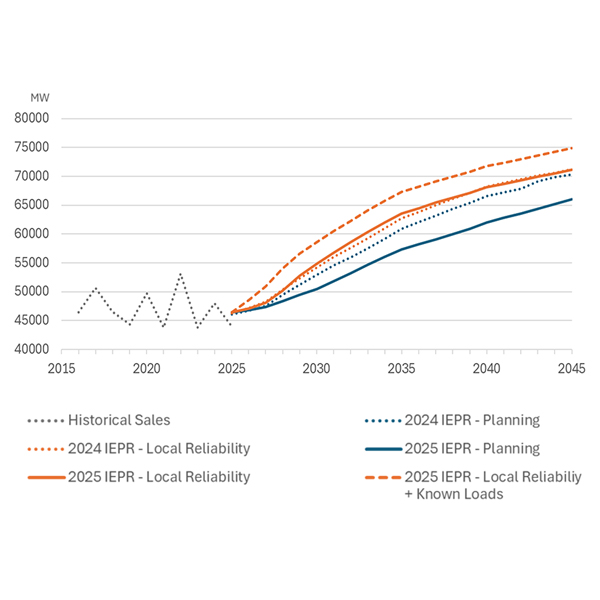
The California Energy Commission signed off on a forecast showing the state's electricity consumption could surge by as much as 61% over the next 20 years, mostly from increased EV adoption.
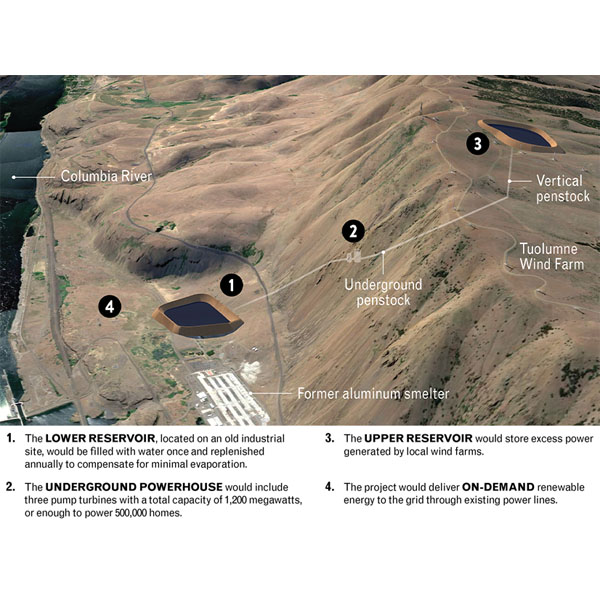
Goldendale Energy Storage LLC
FERC approved a 40-year license for a proposed 1.2-GW pumped hydroelectric storage facility near the city of Goldendale in Klickitat County, Wash.
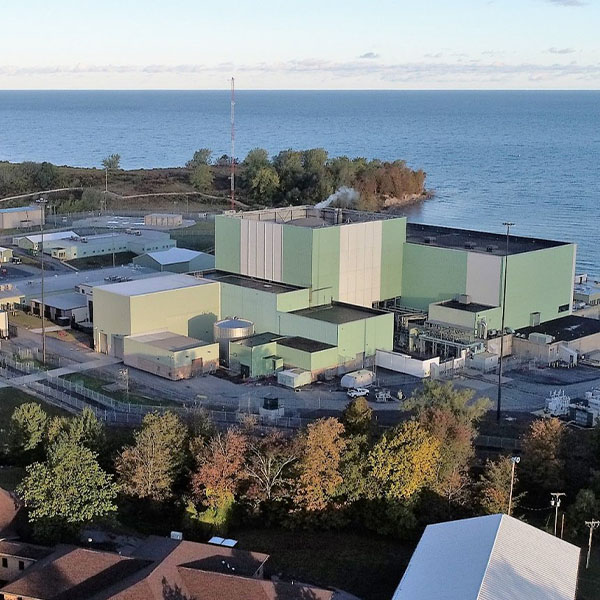
Constellation Energy
The four aging reactors and their 3.36 GW of output are considered an indispensable part of New York’s power portfolio and decarbonization strategy.
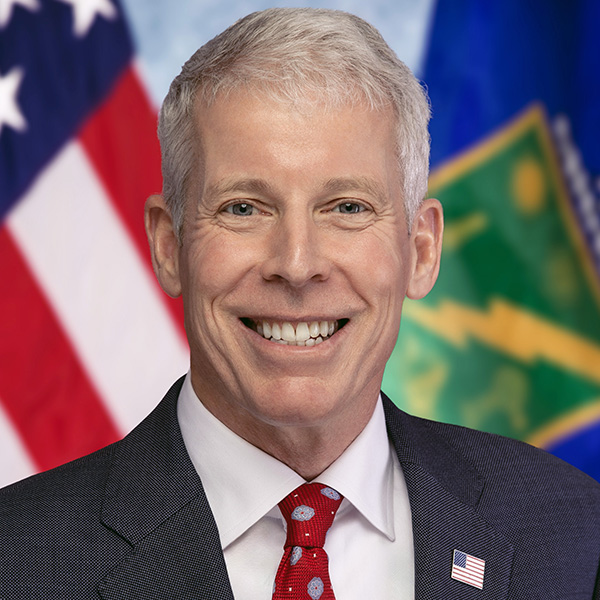
DOE
U.S. Energy Secretary Chris Wright said the department is ready to use its authority under Section 202(c) of the Federal Power Act to dispatch backup generation from large customers if needed ahead of a major winter storm.
Want more? Advanced Search