Public Policy
Environmental RegulationsReliabilityState & RegionalAlabamaAlaskaArizonaArkansasCaliforniaColoradoConnecticutDelawareDistrict of ColumbiaFloridaGeorgiaHawaiiIdahoIllinoisIndianaIowaKansasKentuckyLouisianaMaineManitobaMarylandMassachusettsMichiganMinnesotaMississippiMissouriMontanaNebraskaNevadaNew HampshireNew JerseyNew MexicoNew YorkNorth CarolinaNorth DakotaOhioOklahomaOntarioOregonPennsylvaniaRhode IslandRTO-IndianaSouth CarolinaSouth DakotaTennesseeTexasUtahVermontVirginiaWashingtonWest VirginiaWisconsinWyoming
BloombergNEF
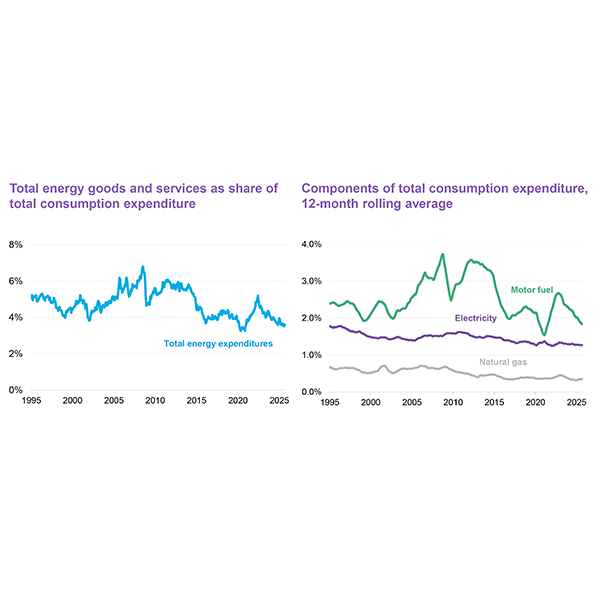
According to the Business Council for Sustainable Energy’s 2026 Factbook, U.S. consumers spent “slightly less” on electricity in 2025 than they did in in 2024.

Jason Dixon Photography
Congress needs to disallow states from vetoing Clean Water Act permits for interstate natural gas pipelines, FERC Chair Laura Swett said at an energy conference.
PSEG
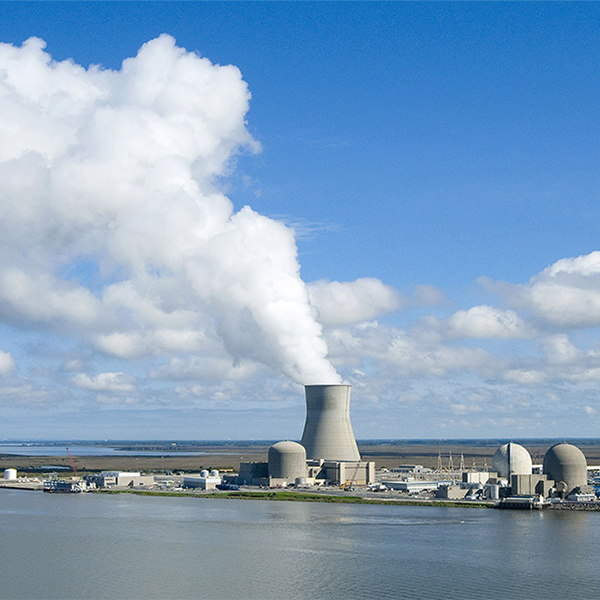
PSEG is working to meet the energy needs expressed by New Jersey Gov. Mikie Sherrill and is gearing up to help with the potential expansion of the state’s nuclear and gas generation fleet.
Grant County PUD
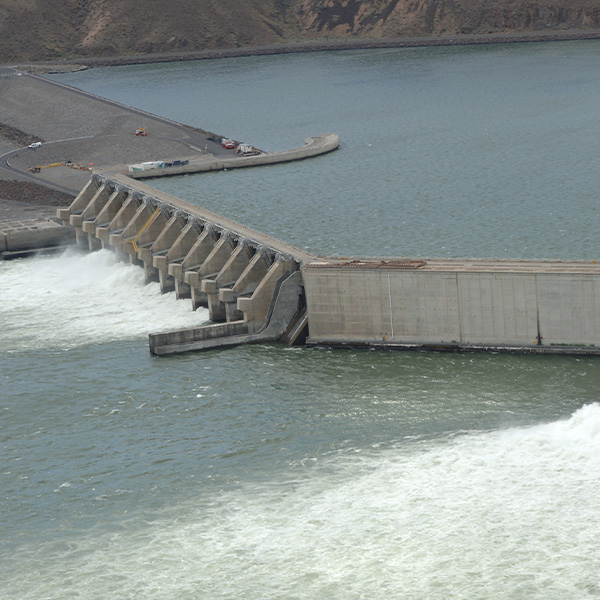
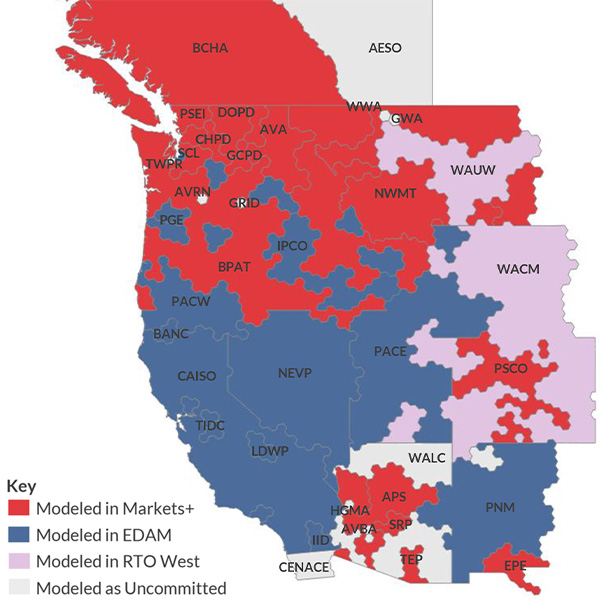
SPP has secured two new commitments for its day-ahead Markets+, as Grant County Public Utility District and Tacoma Power in Washington state announced their intent to join.
Shutterstock
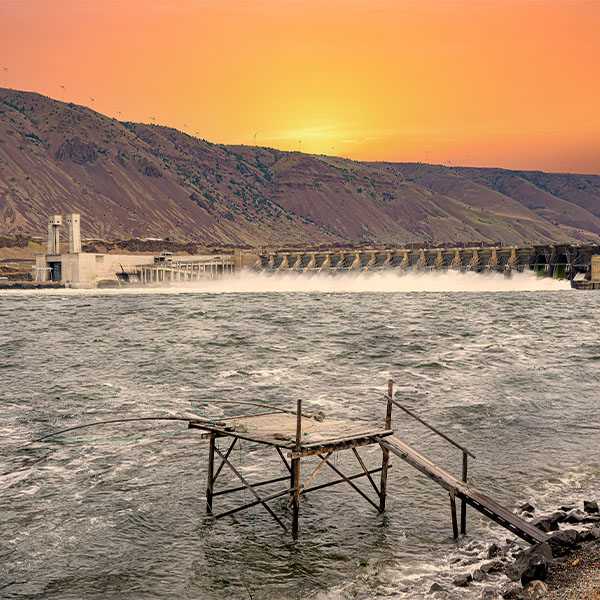
A federal judge in Oregon ordered increased spill levels at eight dams on the Columbia and Snake rivers in order to protect endangered salmon species, rejecting claims that doing so would impede power generation.
The Brattle Group
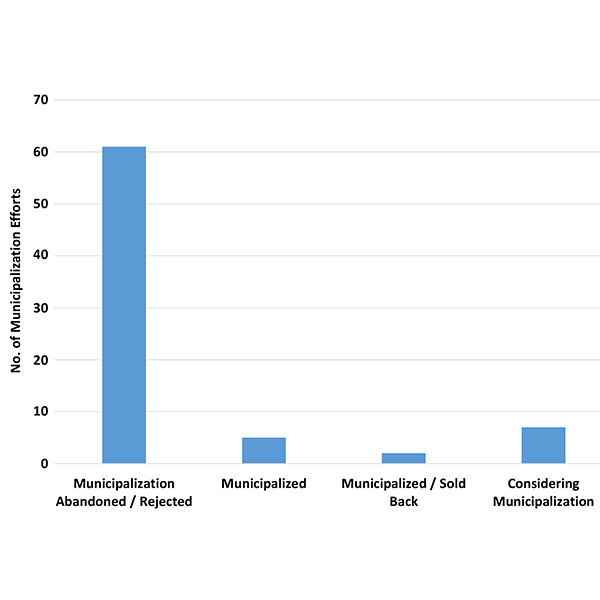
As Tucson, Ariz., weighs whether to take over part of Tucson Electric Power's electric system to form a municipal utility, a new study said such a move would cost the city more than $4 billion.
© RTO Insider
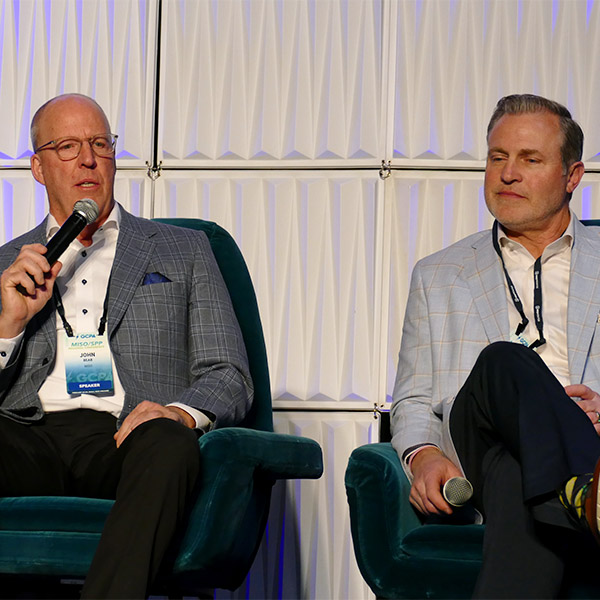
MISO’s and SPP’s CEOs are confident their interconnection queues will be up to the task of meeting new data center load once their respective special expedited lanes wind down.
© RTO Insider
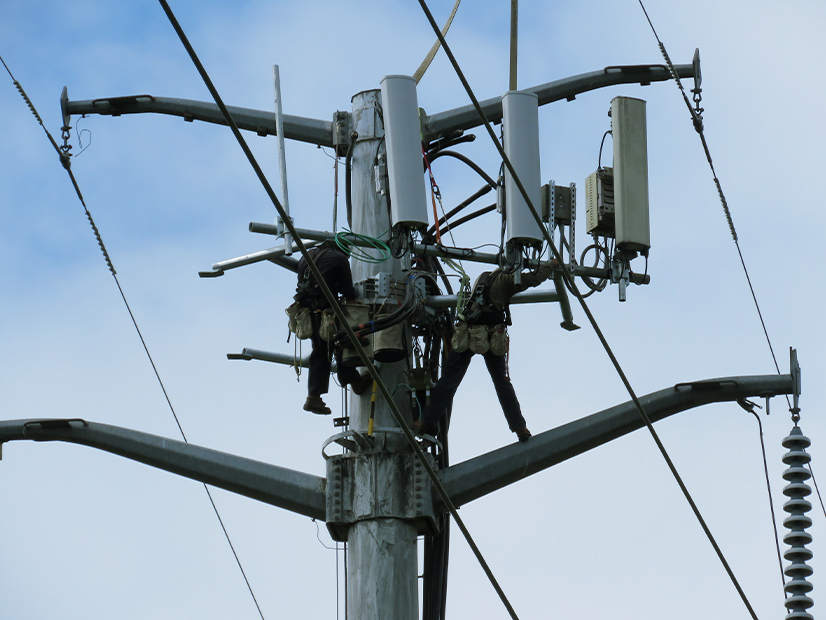
New Jersey is studying whether to use funds from the Regional Greenhouse Gas Initiative to keep down electricity rates and restructure the way utilities are compensated in an effort to reduce the pressure on electricity prices.
Indiana Utility Regulatory Commission
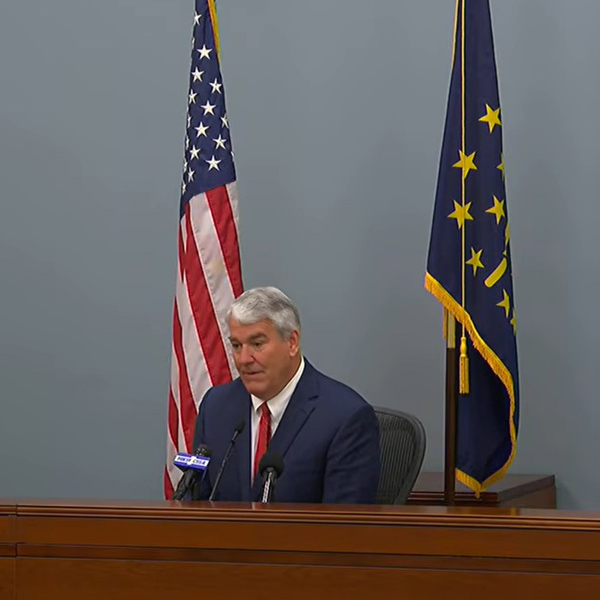
The Indiana Utility Regulatory Commission opened an investigative inquiry into the state’s major utilities in response to increasingly steep residential electric and gas bills.
Aurora Energy Research
Arizona Public Service would save $110 million/year by joining CAISO's Extended Day-Ahead Market rather than SPP's Markets+, a new analysis found.
Want more? Advanced Search