Demand Response

Meta
“Powering Intelligence 2026” estimates data centers could consume as much as 17% of U.S. electricity by 2030.

AdminMonitor
ERCOT staff have promised more clarity on the link between the initial batch study process for large loads and the subsequent studies and existing planning structure during an upcoming workshop.

© RTO Insider
ERCOT says the critical path for a successful Batch Zero NPRR relies on a series of approval votes in May before the changes go to the board in June.
MISO
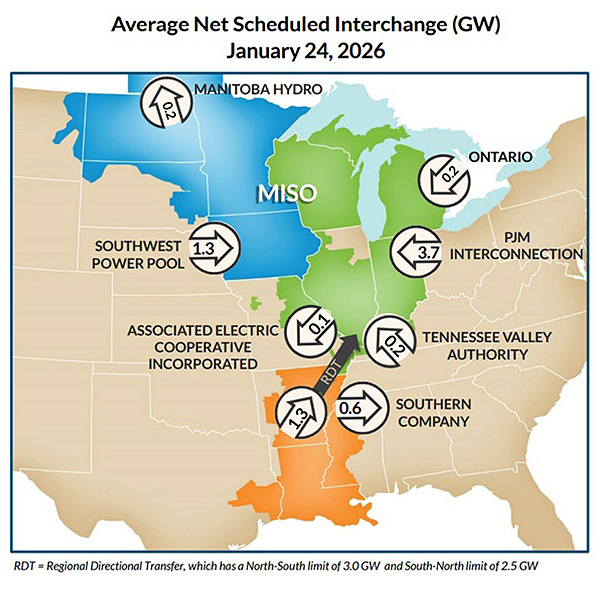
MISO said lackluster generating unit performance led to an emergency declaration during the late January winter storm.
Duke University
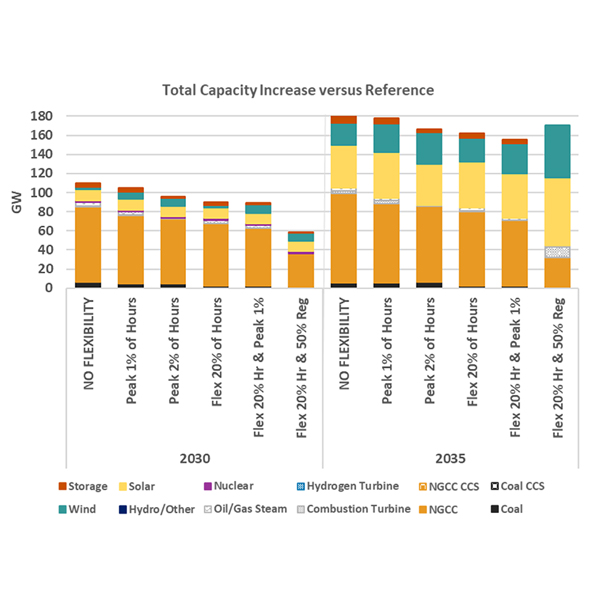
Demand flexibility among data centers could reduce the need for new gas-fired generation needed to supply their energy consumption while driving development of additional renewables and cutting electricity prices, according to a Duke University report.

Voltus
Former FERC Chair and Voltus executive Jon Wellinghoff discussed his career and its focus on consumers. He is a headlining speaker at the EMPOWER 2026 Conference in Boulder.

Shutterstock
The NYISO Operating Committee discussed the challenges it faced while successfully navigating through several events in January, including a major winter storm.

© RTO Insider
SPP's Board of Directors approved a framework for demand response and peak demand assessments despite opposition from members and stakeholders.

© RTO Insider LLC
PJM, Voltus and the RTO’s Independent Market Monitor presented proposals to establish penalties for demand response and price-responsive demand resources that fail to perform during a pre-emergency load management event.
ACEEE
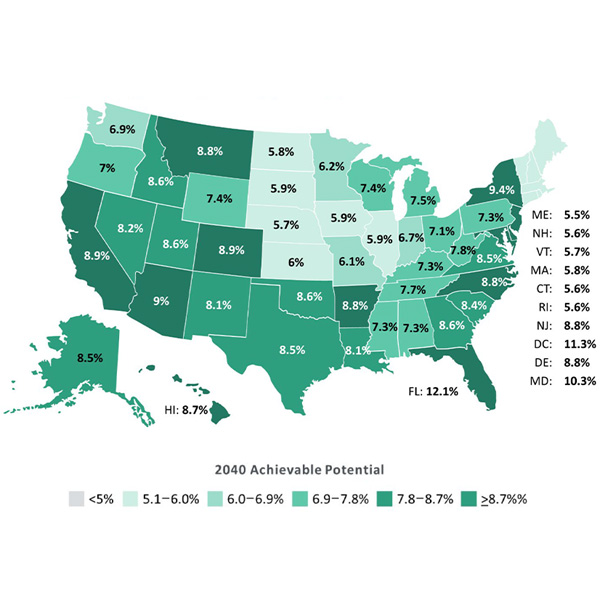
Energy efficiency and load flexibility would be effective and cost far less than the new generation assets many jurisdictions are planning to build to meet anticipated load growth, a new report asserts.
Want more? Advanced Search