Energy Storage
Shutterstock
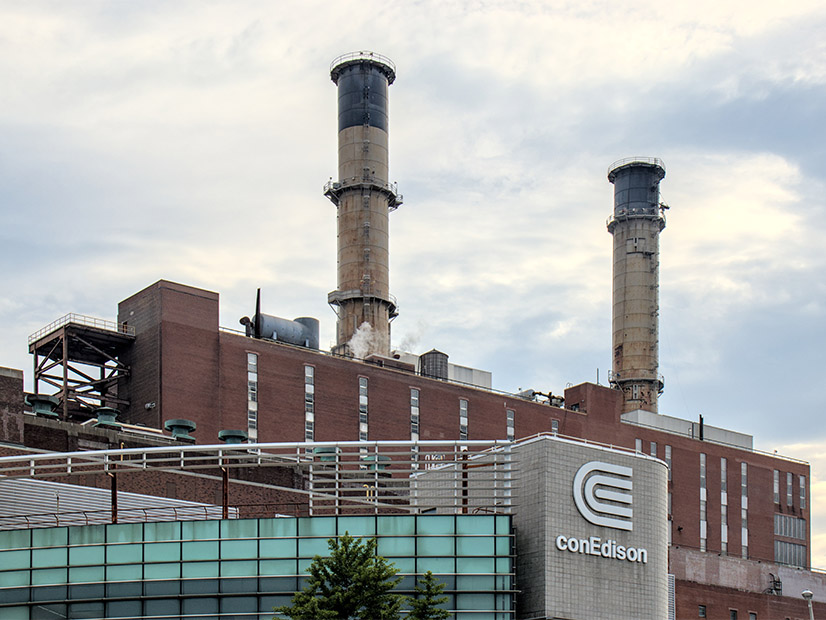
New York energy storage and solar trade groups are seeking an immediate end to what they say is an effective freeze on interconnection of distributed storage facilities by the state’s largest investor-owned utility.
Motor City Electric Utilities
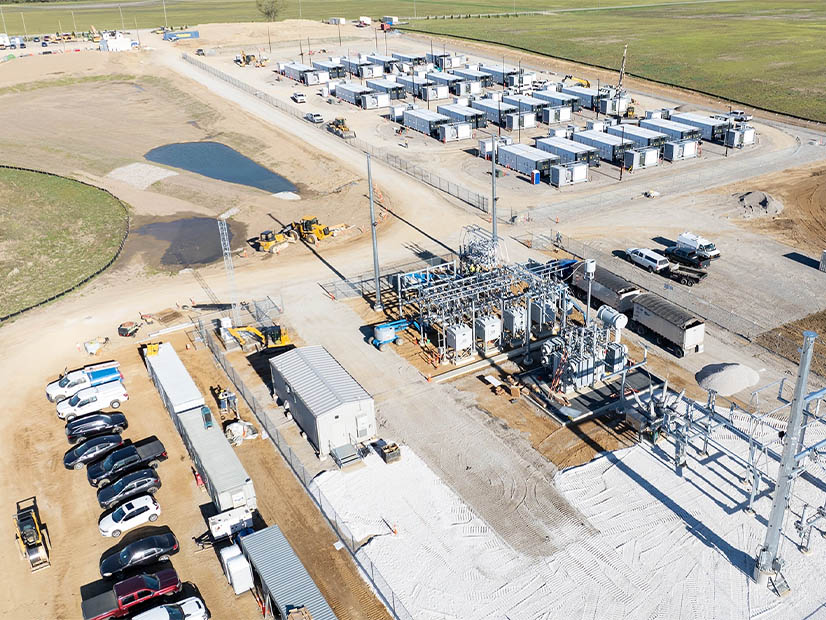
MISO announced a third, 8-GW cycle of generation projects to enter its fast-tracked interconnection process, its largest cluster yet.
Microsoft
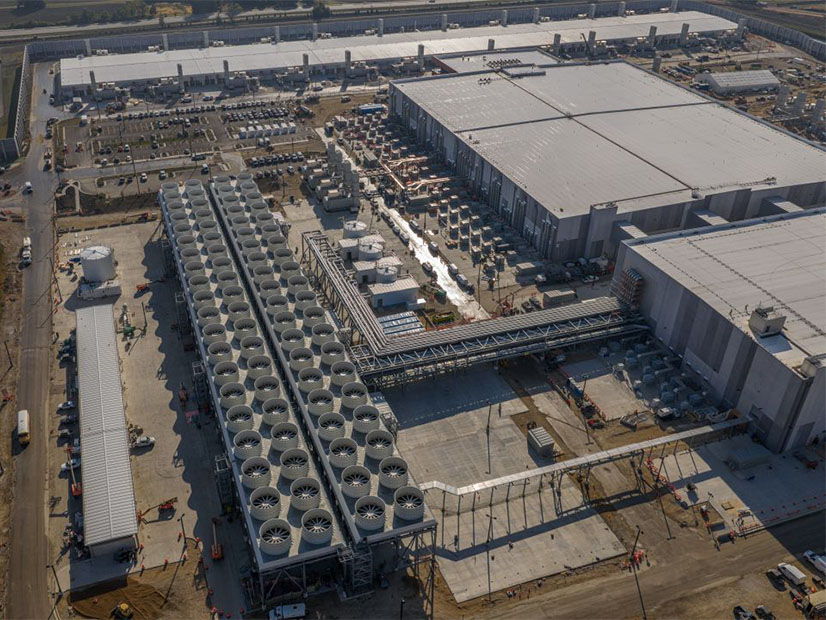
A new report argues for an infrastructure fund to entice data center developers to commit to modernizing the grid as they invest in upgrades required by their new demand.
CAISO DMM
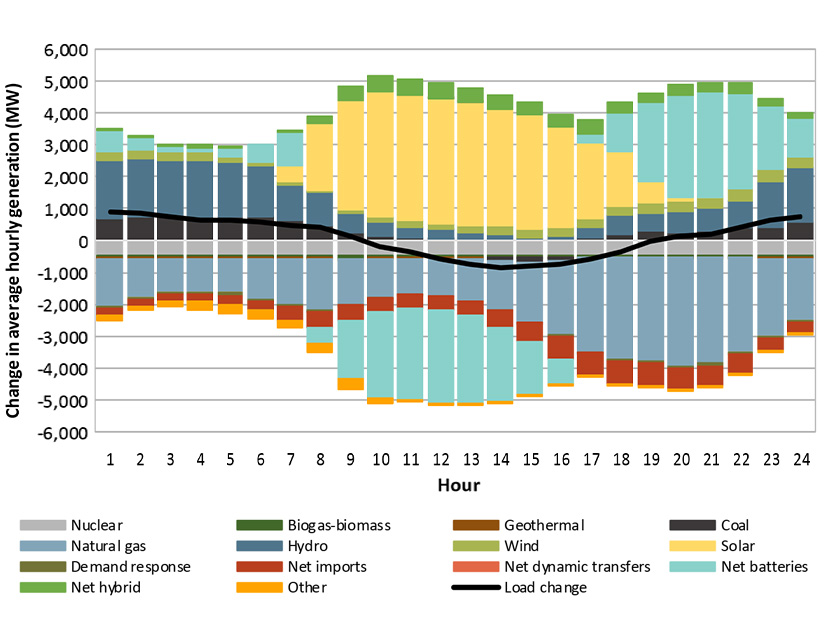
CAISO’s Western Energy Imbalance Market saw an increase in battery storage capacity and coal use in 2025 compared with 2024, although the total load across the market did not increase over the year.
IESO
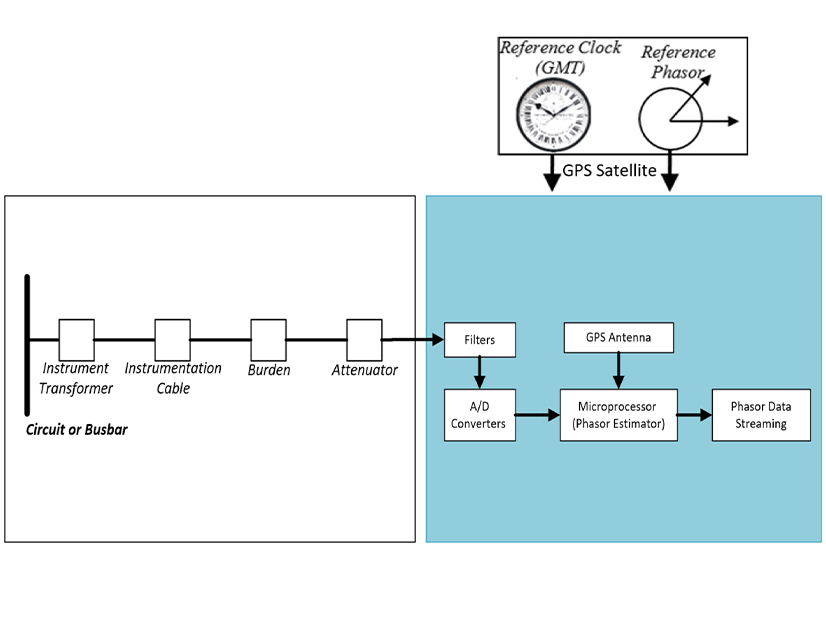
IESO’s plan to require synchrophasor data from storage resources is prompting cost concerns.

© RTO Insider
The Gulf Coast Power Association’s MISO-SPP Regional Conference showcased the rush to add resources, and panelists mused on which new trends could take hold in resource expansion.
BLM California
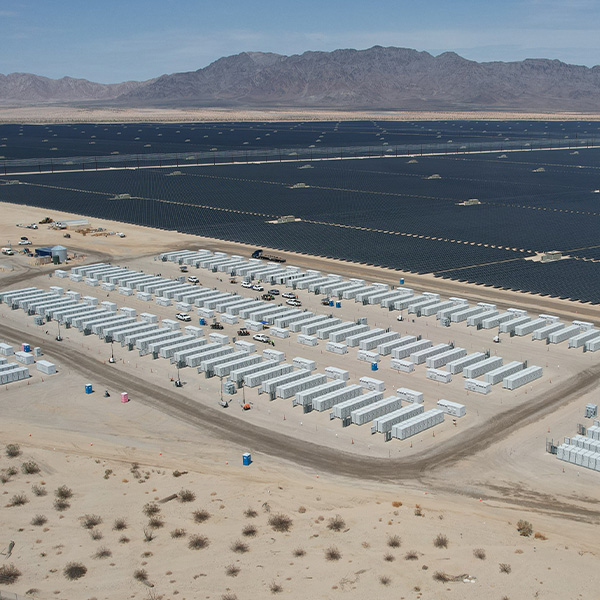
The California Public Utilities Commission ordered 6 GW of new capacity to meet forecast data center and electric vehicle loads — among other new demand — in the state.
EIA
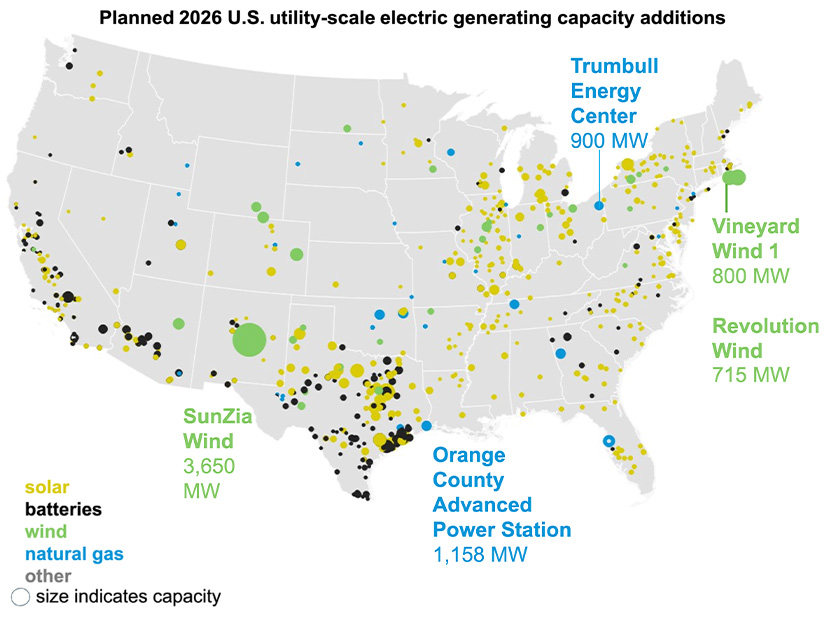
The EIA released a report that said a record 86 GW of utility-scale capacity is projected to be added to the grid in 2026, which if true, would far outpace the 53 GW of capacity added in 2025.
ORES
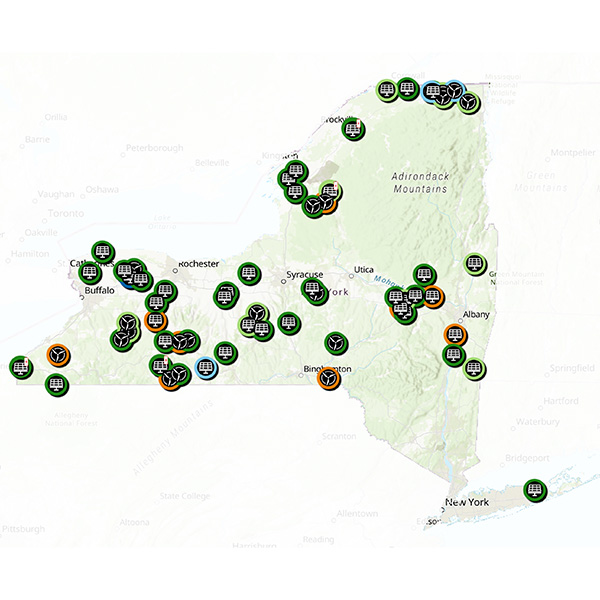
The New York Public Service Commission said the regulations it has approved will reduce permitting time for transmission projects by up to 50%.
MISO
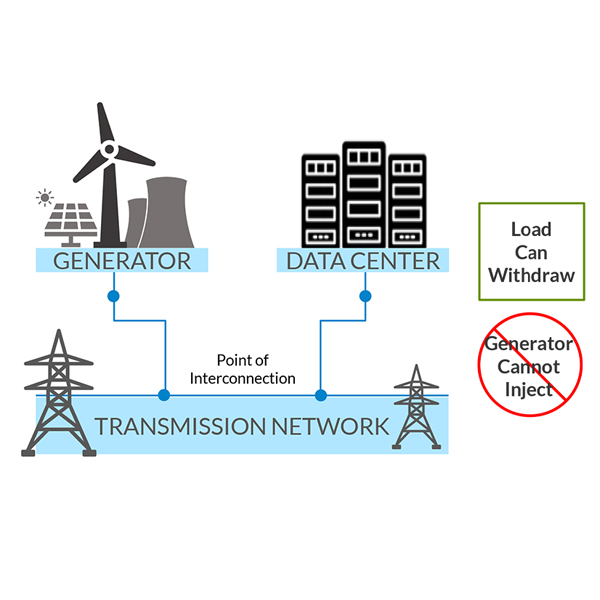
Limiting MISO large load solutions only to zero-injection scenarios misses the mark and can create a myriad of challenges now and in the future, writes David Sapper of the Clean Grid Alliance.
Want more? Advanced Search