Resource Adequacy
Resource adequacy is the ability of electric grid operators to supply enough electricity at the right locations, using current capacity and reserves, to meet demand. It is expressed as the probability of an outage due to insufficient capacity.
IESO
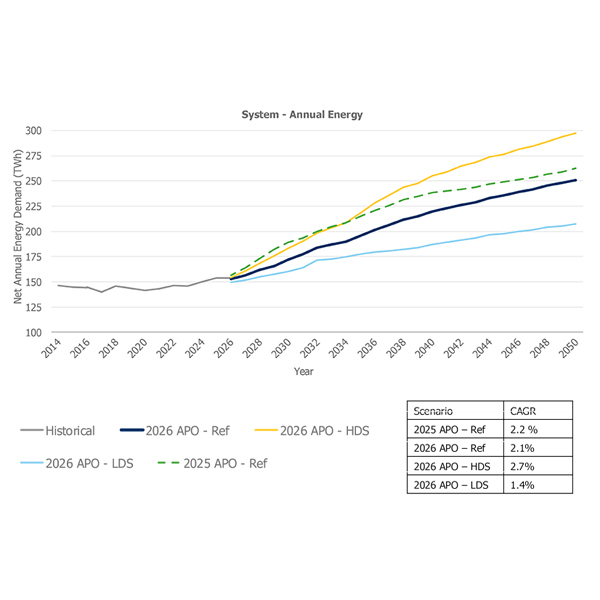
The reference scenario in IESO’s 2026 Annual Planning Outlook indicates net annual energy demand growth of 65% by 2050, from just over 150 TWh in recent years to 250 TWh.
DOE
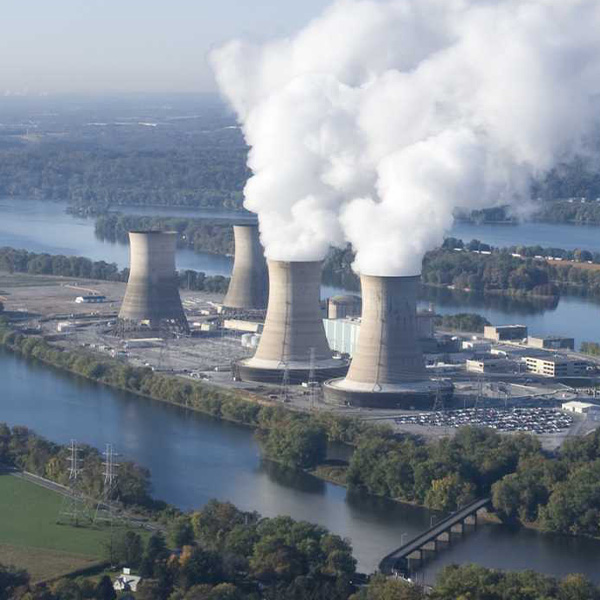
DOE awarded Constellation a $1 billion loan for its Crane Clean Energy Center project, which will cut financing costs for the nuclear unit restart.

Duke Energy Renewables
The Sierra Club and Natural Resources Defense Council filed a petition with an appeals court to toss two recent FERC orders that granted SPP’s request to modify provisions for clean energy resources’ capacity accreditation.
Google
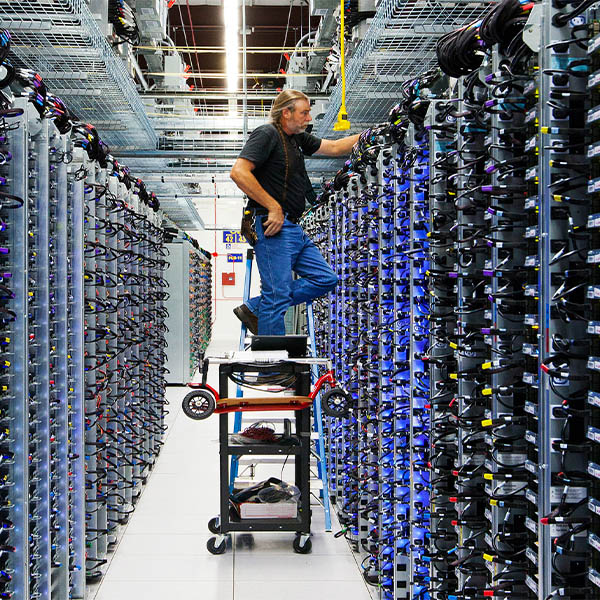
PJM stakeholders are to vote on a record-breaking number of proposals on how the RTO should integrate large loads without impacting resource adequacy.

Shutterstock
Aaron Markham, NYISO vice president of operations, presented the 2025-2026 Winter Capacity Assessment and Winter Preparedness forecasts to the Operating Committee.

Brattle Group
A new Brattle Group study examined the impact on planning reserve margins of an alternative Western resource adequacy program that includes expected participants in CAISO’s Extended Day-Ahead Market.
IEA
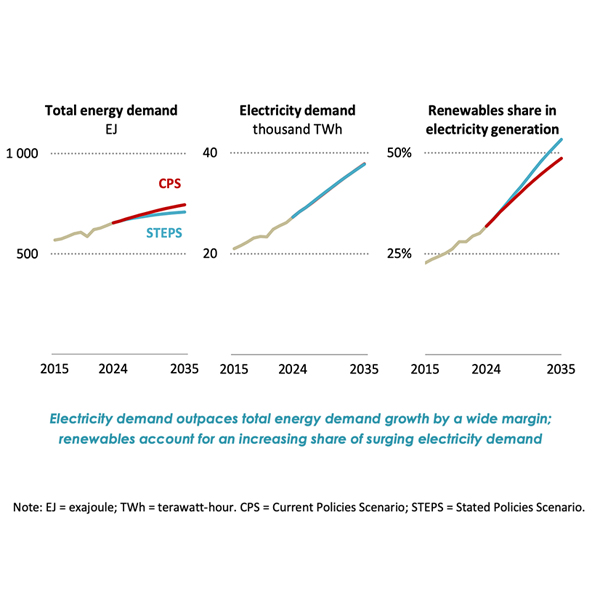
IEA released its 2025 World Energy Outlook, which shows the growing importance of electricity as residents start to adopt air conditioning and data centers and other large loads drive demand growth in rich countries.
AdminMonitor
Texas regulators approved ERCOT’s methodologies for determining minimum ancillary services for 2026 while hinting at the same time that they are considering discontinuing the use of conservative operations.
Xcel Energy
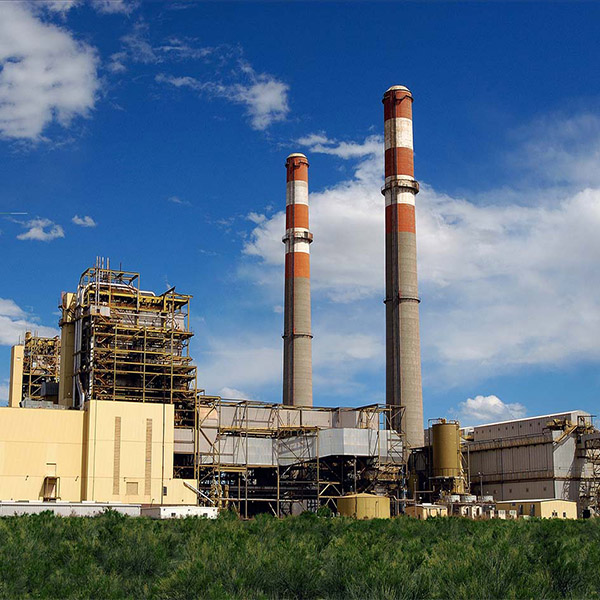
Public Service Company of Colorado and the Polis administration want to keep Unit 2 of the coal-fired Comanche Generating Station running a year longer than planned.

© RTO Insider
The National Association of Regulatory Utility Commissioners passed a resolution urging FERC to resist the Department of Energy’s push to give itself jurisdiction over large loads interconnecting with the grid.
Want more? Advanced Search