Resource Adequacy
Resource adequacy is the ability of electric grid operators to supply enough electricity at the right locations, using current capacity and reserves, to meet demand. It is expressed as the probability of an outage due to insufficient capacity.
CAISO
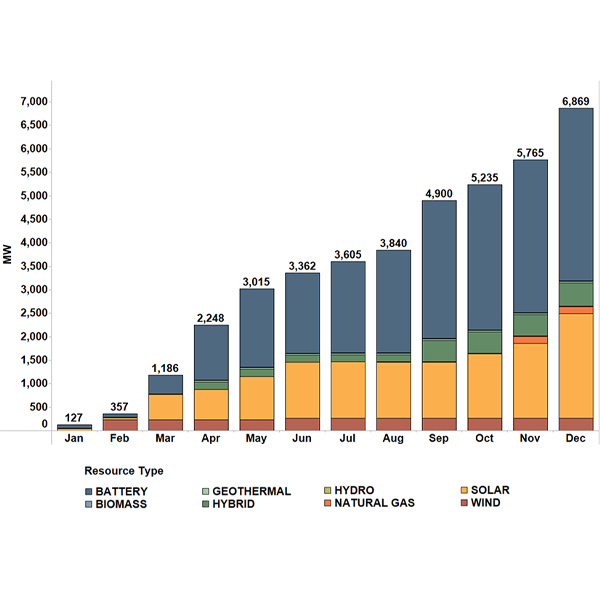
California should have plenty of electricity available to meet demand over the next few years, even during extreme weather events or if new energy resource installations are delayed, a California Energy Commission report said.
PJM
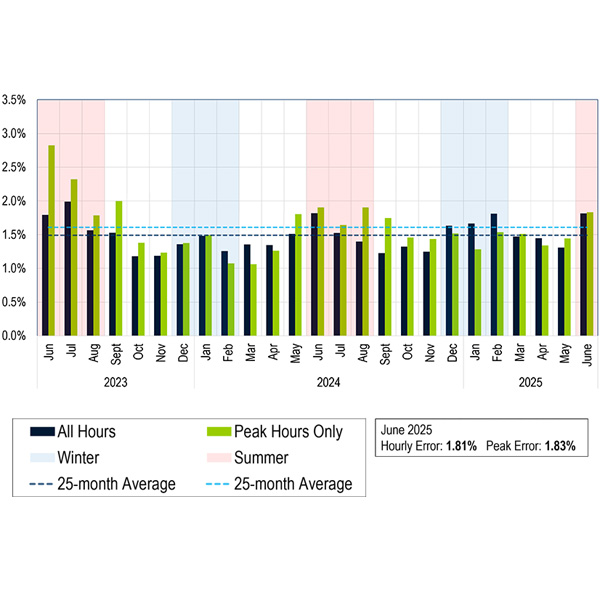
PJM presented manual revisions to reflect the generation deactivation process stakeholders approved in January.

Shutterstock
NYISO performed an autopsy on the system conditions during the late June heat wave for the New York State Reliability Council at its Installed Capacity Subcommittee meeting.
PJM
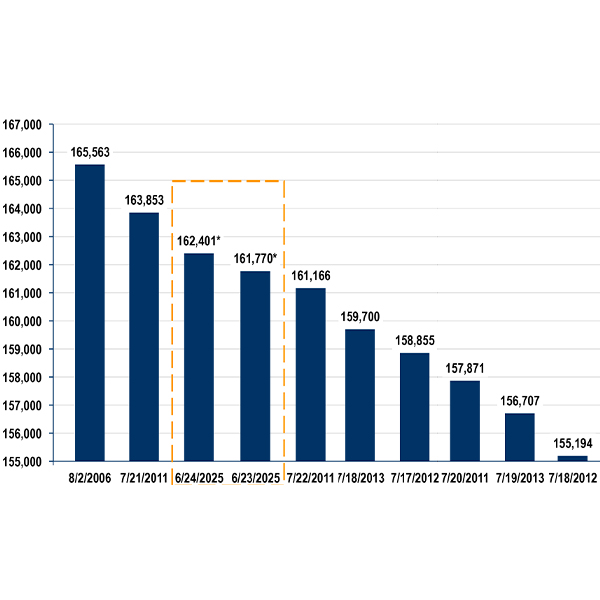
PJM saw its highest peak loads in over a decade during a heat wave that stressed the Mid-Atlantic region from June 22 to 26.

SPP
SPP’s REAL Team has endorsed RTO staff’s framework for demand response, allowing the grid operator to bring it forward to the quarterly governance meetings in July and August and to then begin drafting the tariff change.
Yes Energy
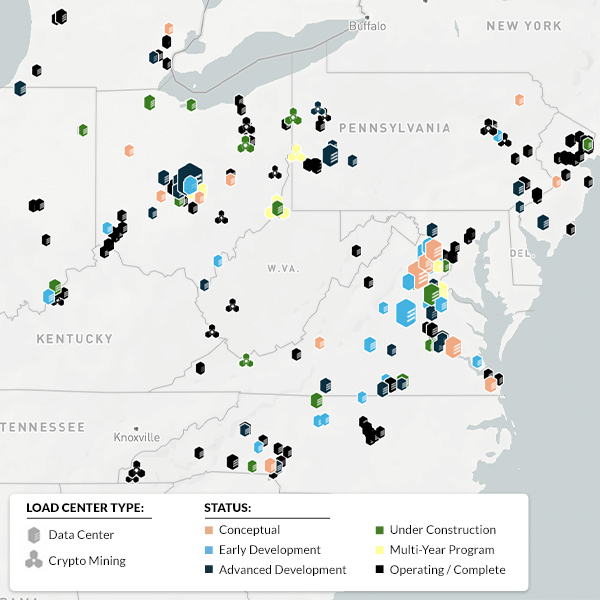
Comments about FERC's technical conference argued for a variety of reforms to address resource adequacy.
AdminMonitor
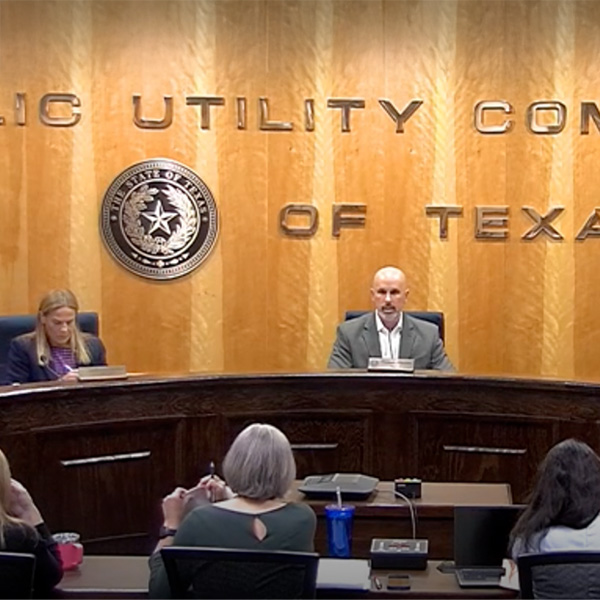
Texas regulators have approved two more system resiliency plans for state utilities with a focus on wildfire mitigation, following up on a requirement from the 2023 legislative session.

© RTO Insider
MISO stakeholders are skeptical of the RTO’s proposed new approach to divvying up reliability obligations among load-serving entities based on evolving system risk.
PGE
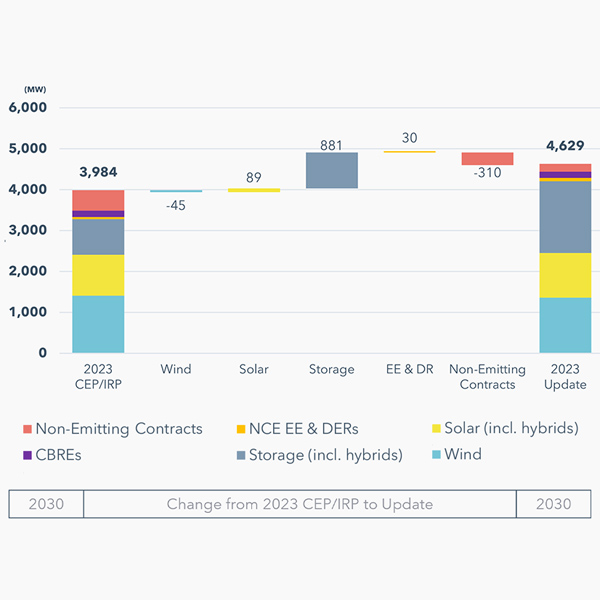
Portland General Electric’s need for new resources by 2030 has grown by 16%, largely because of a decreased capacity contribution from batteries, particularly in winter.
MISO
MISO’s Independent Market Monitor has expressed lingering dissatisfaction with NERC’s Long-Term Reliability Assessment, even with potentially corrected values.
Want more? Advanced Search