Resource Adequacy
Resource adequacy is the ability of electric grid operators to supply enough electricity at the right locations, using current capacity and reserves, to meet demand. It is expressed as the probability of an outage due to insufficient capacity.

© RTO Insider LLC
The challenges and opportunities of meeting demand from new large loads like data centers took center stage at the National Association of State Energy Officials’ recent Energy Policy Conference.
NERC
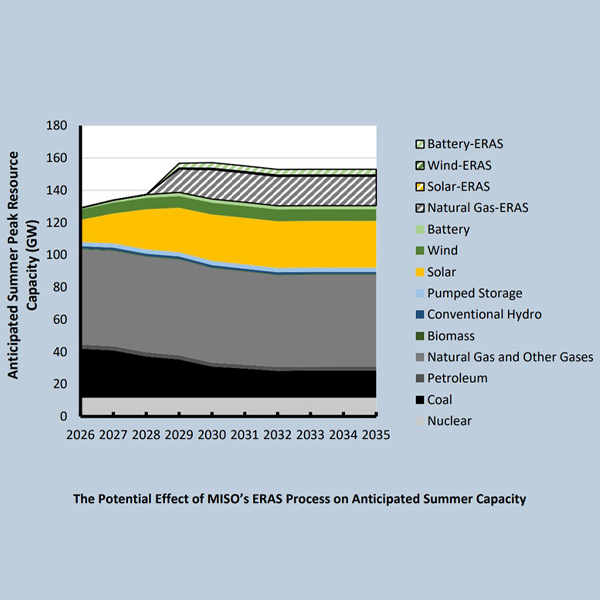
Members of the Organization of MISO States sent a letter to contradict aspects of NERC’s Long-Term Reliability Assessment, disputing the ERO’s label of MISO as being at “high risk.”

© RTO Insider LLC
DOE's senior leadership highlighted how the grid relies on fossil fuels to make it through winter peaks.
Shutterstock
Democrats in the New York Legislature have introduced legislation to create a three-year moratorium on the siting and permitting of new data centers statewide.

© RTO Insider LLC
New England experienced record high energy costs in the month of January amid cold weather, high gas prices and a heavy reliance on oil-fired generation.

© RTO Insider
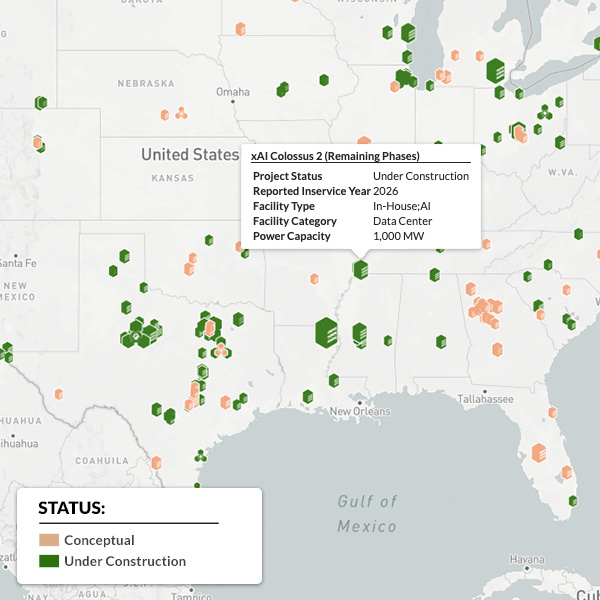
Xcel Energy says that a partnership with NextEra Energy will allow its operating companies to contract up to 6 GW of data center capacity by the end of 2027.
Yes Energy
Cleanview released a report putting numbers to a trend where many hyperscale data center developers are building dirtier, more quickly available generation to cash in on the AI boom.
© RTO Insider
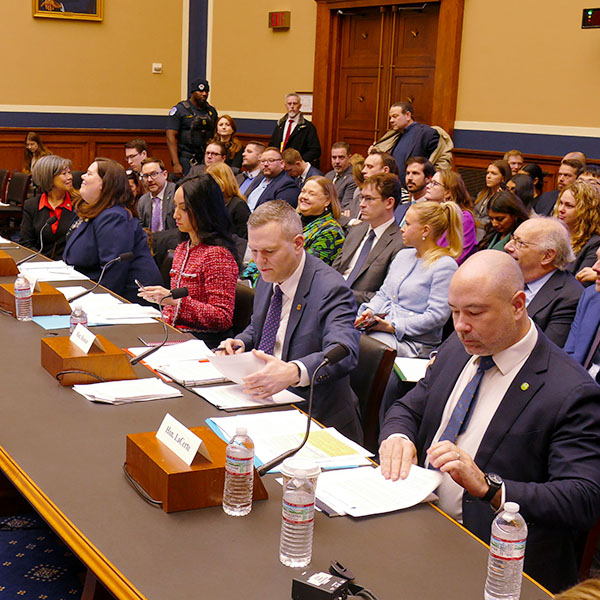
All five FERC commissioners faced questions from the House Energy and Commerce Subcommittee on Energy on how to balance reliability and affordability as demand grows.
Entergy
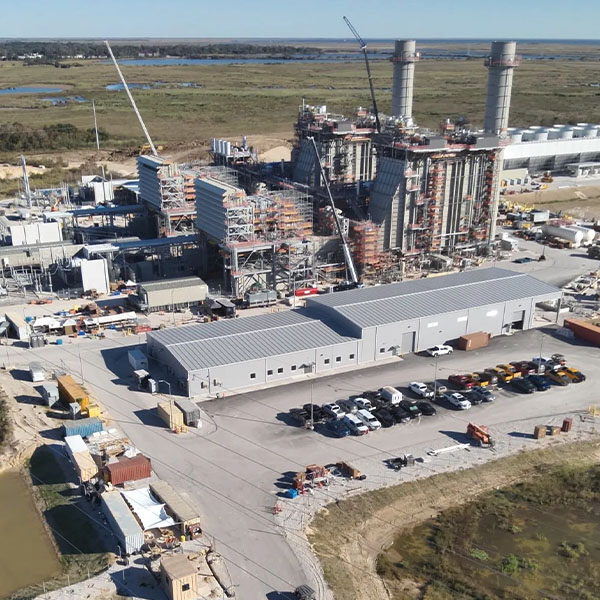
The new ERAS processes in MISO and SPP allow certain power plants to effectively jump the interconnection line, skipping ahead of hundreds of other projects already waiting their turn, writes Southern Renewable Energy Association Executive Director Simon Mahan.
Shutterstock
NYISO began what is expected to be a yearlong effort of revising its Reliability Planning Process at a Transmission Planning Advisory Subcommittee meeting.
Want more? Advanced Search