Special Reports & Commentary

© RTO Insider
U.S. Department of Energy Secretary Chris Wright opened the CERAWeek conference with a plenary session during which he praised fossil fuels and bashed clean energy.
Retail Energy Advancement League
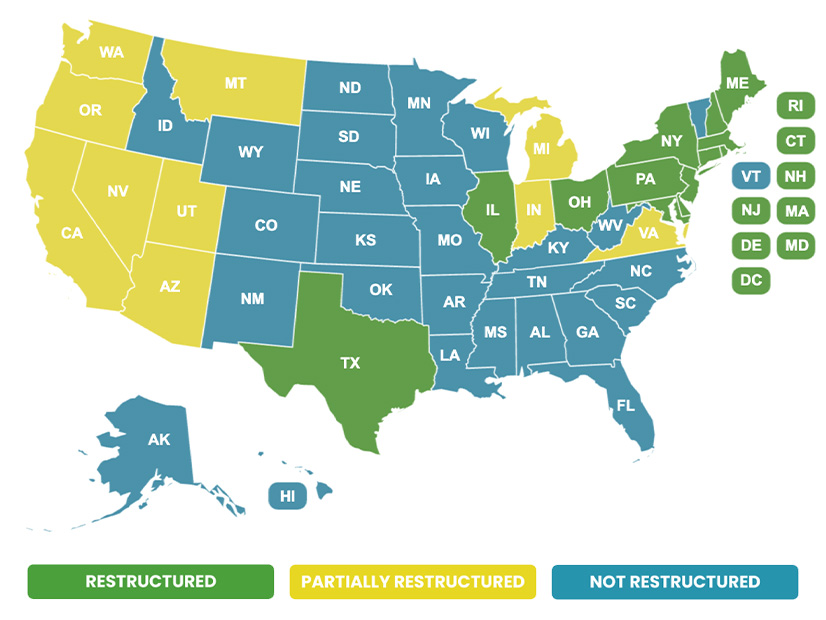
The return of demand growth is something new in the electricity industry, especially as it is being driven by individual consumers whose load can exceed the peak demand of a small state, and it is giving new life to an old argument in state legislatures: restructuring the industry.
David Maiolo, CC BY-SA-3.0, via Wikimedia Commons
With electricity demand spiking, Congress should take major steps to speed up the process of building new transmission infrastructure, writes Will Hazelip.
PJM
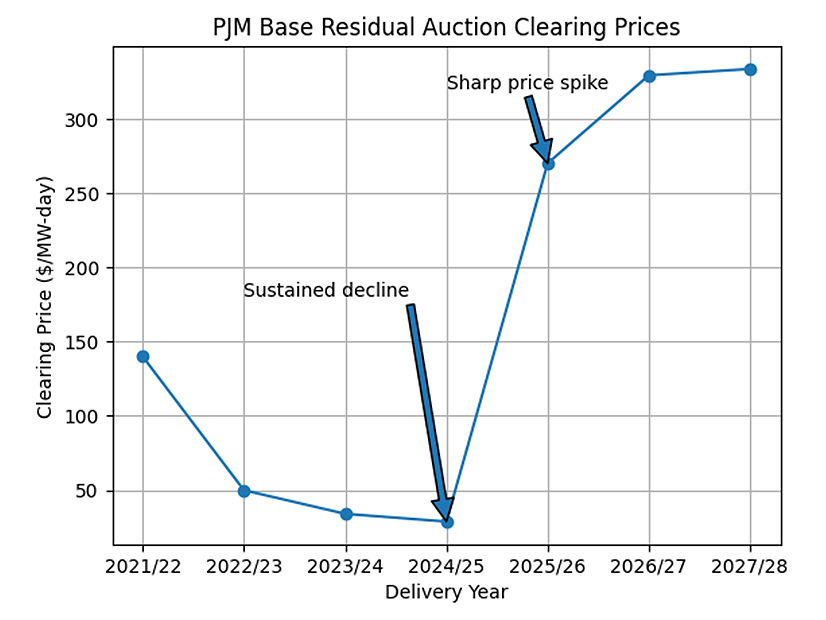
PJM’s capacity market has quietly evolved from a reliability safety net into the primary mechanism supporting much of the region’s electricity supply, writes energy consultant Glenn Davis.
AEP
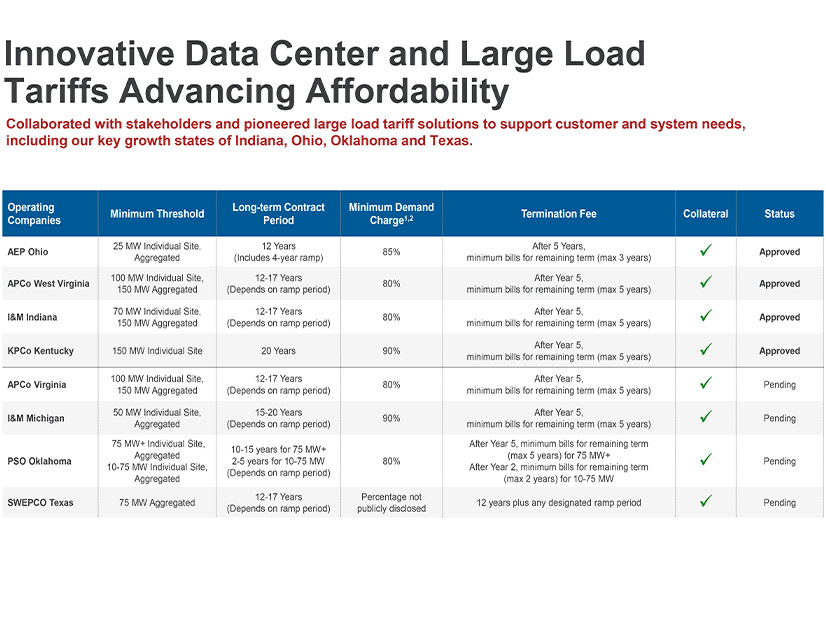
The White House meeting and associated industry pledge were perhaps good theater, but would have been much more valuable a year or two ago, writes columnist Peter Kelly-Detwiler.
Hitachi Energy
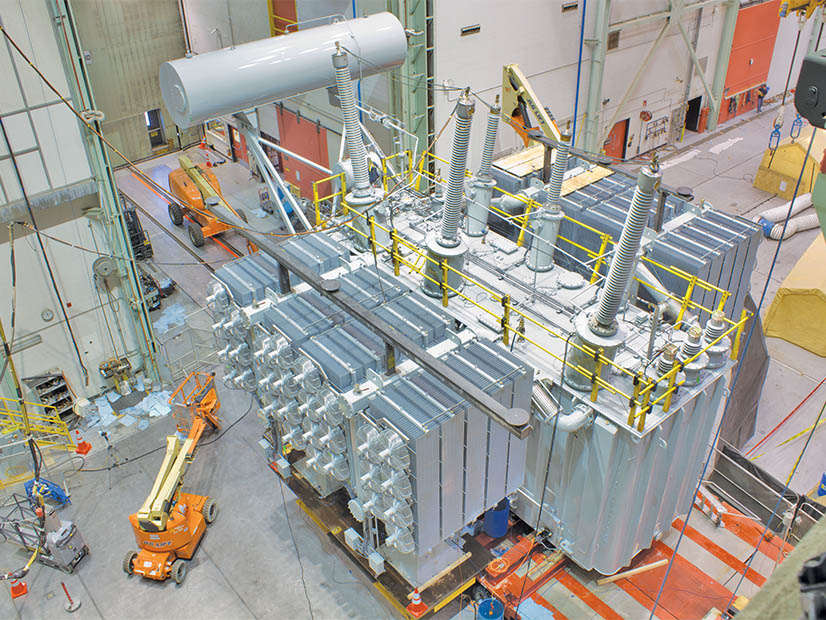
The digital world may be driving much of the growth in electricity demand, but physical limits are shaping how the industry responds. And few limits are more apparent than the shortage of transformers.
NYISO
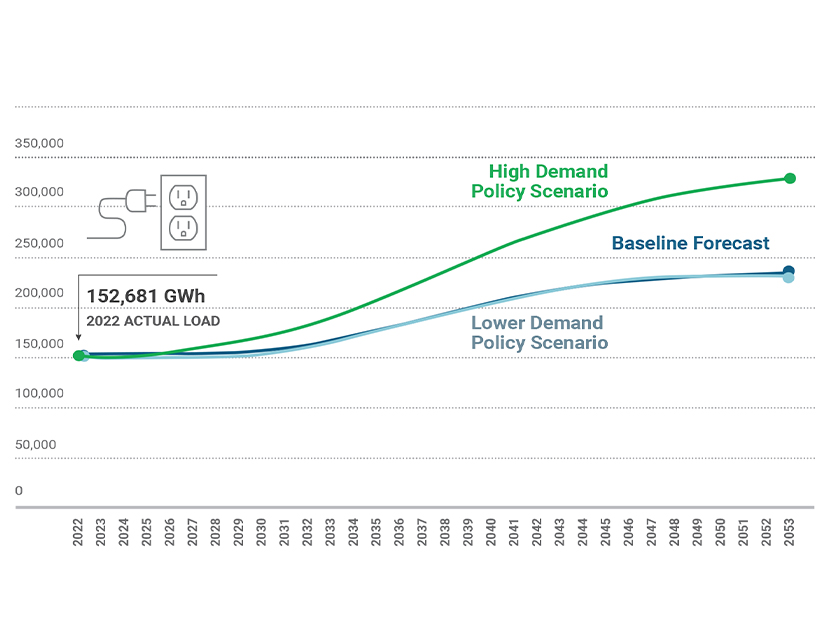
Gaming by different stakeholders can present regulators with biased forecasts, which would require special regulatory-staff expertise to uncover, warns energy consultant Kenneth W. Costello.

© RTO Insider
Figures in the energy industry are casting doubt on the White House’s proposal to shield ratepayers from the costs of interconnecting large loads, saying it ignores the jurisdictional responsibility between regulatory authorities.

© RTO Insider
“Massive change, massive challenges, massive opportunities,” SPP CEO Lanny Nickell said in kicking off the grid operator's second Energy Synergy Summit that focused on meeting data center growth.

© RTO Insider
Politicians increasingly are interested in wholesale markets, which has meant price caps but also is pushing regulators and the industry to move faster on meeting rising demand affordably and reliably.
Want more? Advanced Search