U.S. Department of the Interior
MISO
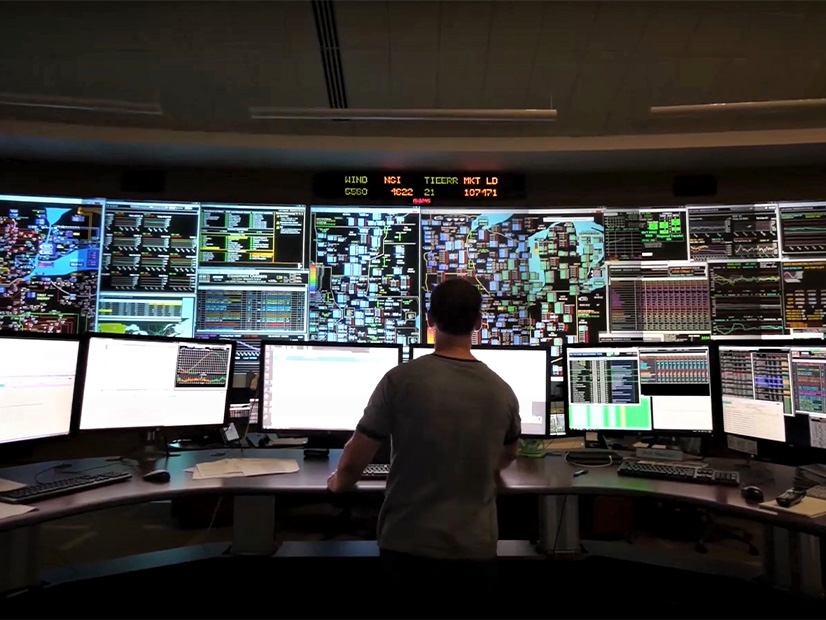
MISO said its most recent financial estimates show operating costs continuing to creep up through 2030, making $500 million annual operating budgets the norm and forcing it to collect more from members.

Shutterstock
The Washington Senate passed a bill to establish a transmission authority intended to help the state improve system capacity and meet growing demand by reducing the timeline to complete new transmission projects.
Meta
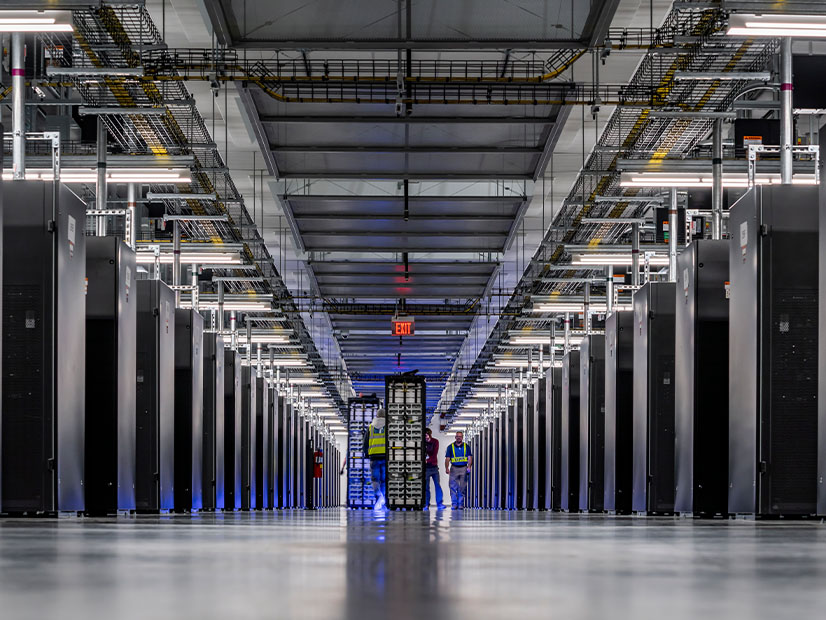
New Jersey legislators backed a bill that would require operators of AI data centers and crypto mining facilities to run them with clean energy and submit an energy use plan to the state.
Eversource Energy
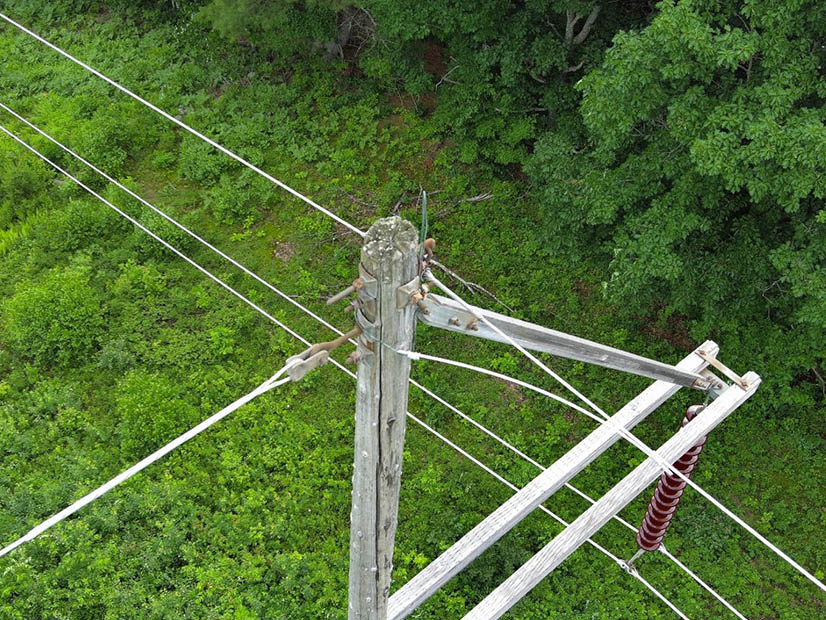
Updating stakeholders on its proposal for an internal asset condition reviewer, ISO-NE said it now plans to review asset condition projects estimated by transmission owners to exceed $25 million in regionalized costs.
Sterling Industrial
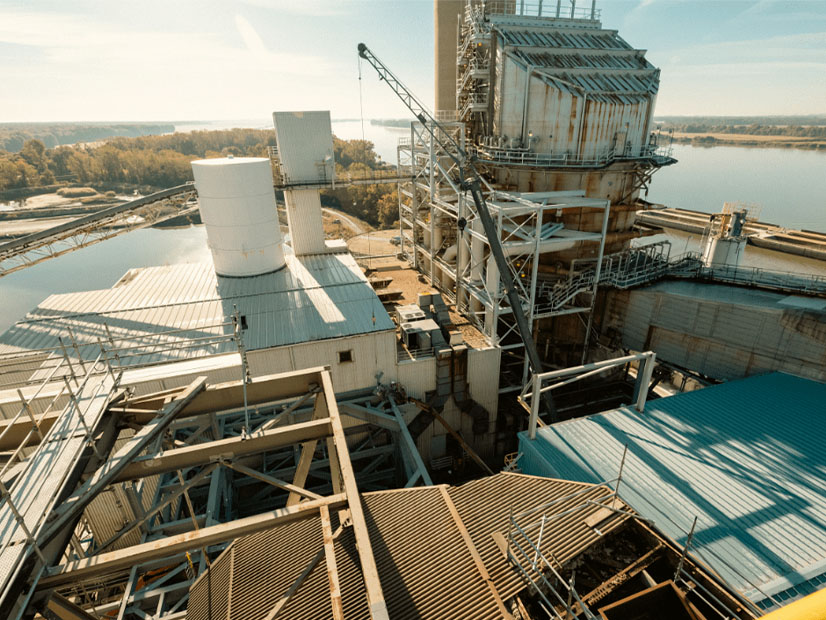
Public interest organizations have taken their challenge of the Department of Energy’s emergency orders keeping two Indiana coal plants operating past their planned retirement dates to the D.C. Circuit Court of Appeals.

LADWP
Participants in CAISO’s Extended Day-Ahead Market likely would remain subject to the market’s daily resource sufficiency evaluation even if they joined a new resource adequacy program that’s being crafted.
Grid Strategies
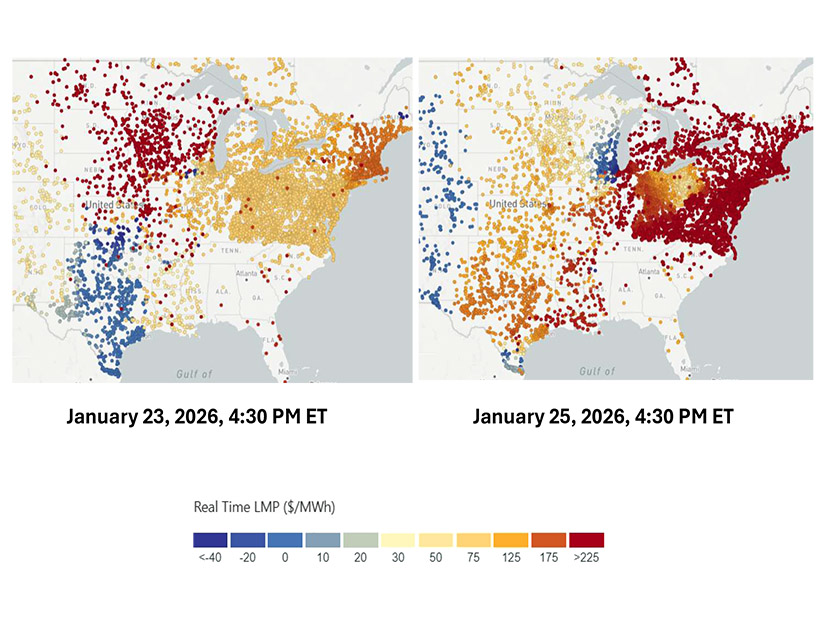
NERC CEO Jim Robb said in congressional testimony that while the bulk power system made it through the late January winter storm reliably, the weather highlighted how at risk it is.
Steven Baltakatei Sandoval, CC BY-SA 4.0, via Wikimedia Commons
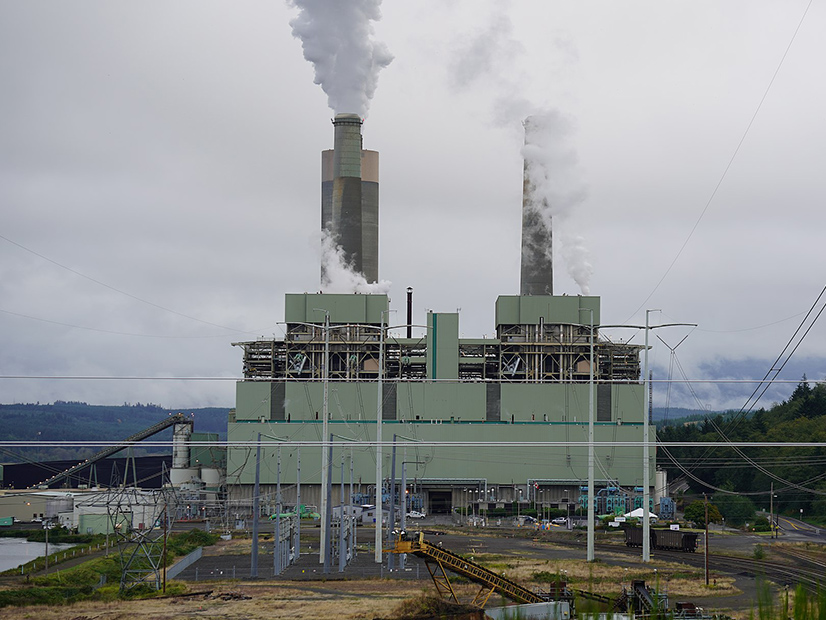
The Department of Energy extended an order that will continue to keep Washington’s last remaining coal-fired plant open past its long-scheduled retirement at the end of 2025.
CAISO
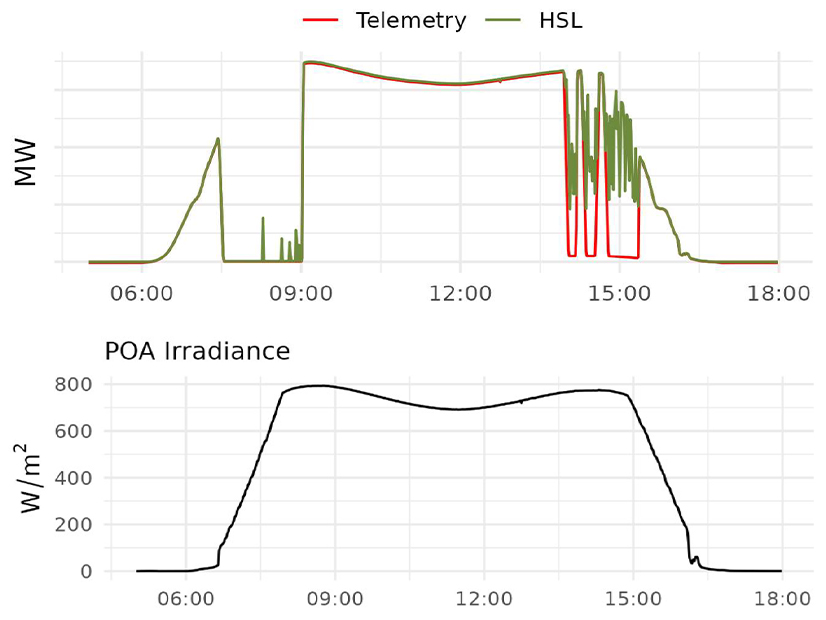
CAISO is proposing new methods to address “poor quality data” from some variable energy resources in the region in order to improve grid forecasting, the ISO said in a straw proposal.
Department of the Interior
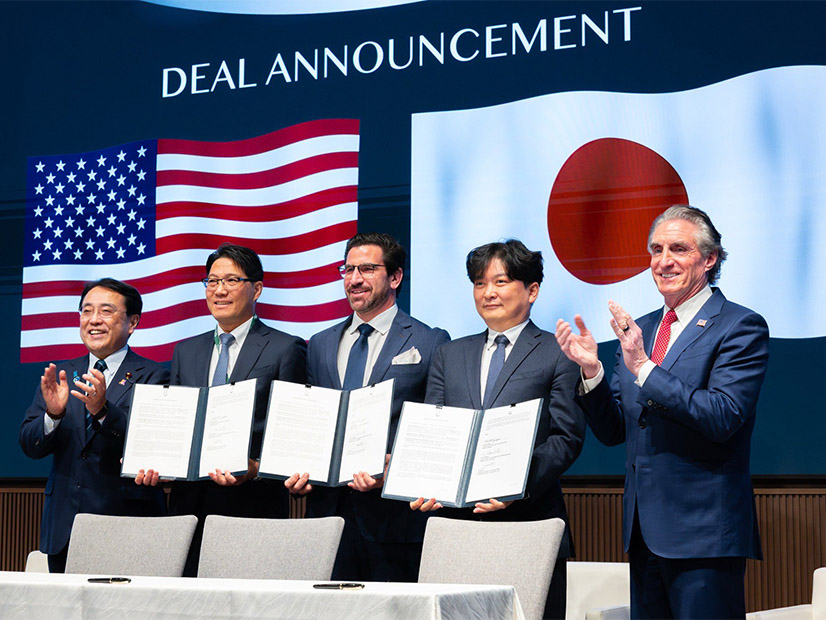
The Trump administration announced energy, technology and resource deals worth $56 billion coming out of an Asia-Pacific energy security summit.
Want more? Advanced Search