Electric vehicles (EVs)
Shutterstock
Adapting charging of electrical vehicles to real-time grid conditions could save utilities up to $30 billion annually and reduce peak energy demand, according to a new report by The Brattle Group and smart charging provider ev.energy.
SMUD
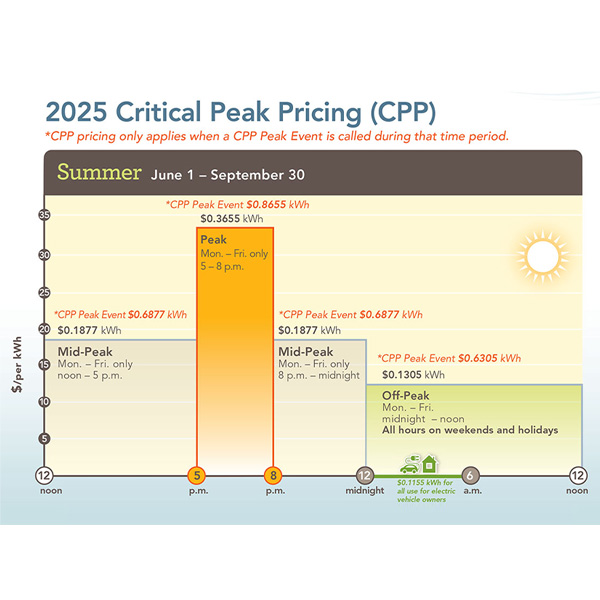
Two of California’s publicly owned utilities told state regulators they’re not ready to make the leap to rates that change hourly or more often.
Joint Office of Energy and Transportation
An ongoing squabble over a slow-moving EV charger grant program has turned a new page with the Trump administration’s release of new guidance for states to claim funding.
Bonneville Power Administration
The Bonneville Power Administration predicts even steeper energy deficits among its network of dams under firm conditions compared to predictions from 2024.
Shutterstock
A coalition of 17 states alleges that President Donald Trump’s administration is withholding billions of dollars in congressionally approved funds meant for the expansion of electric vehicle charging infrastructure.

© RTO Insider
Clean energy policies and their impact on rising utility rates are under scrutiny in New Jersey’s most competitive gubernatorial race in years as voters decide on a replacement for Democrat Phil Murphy, a champion of green energy.
© RTO Insider
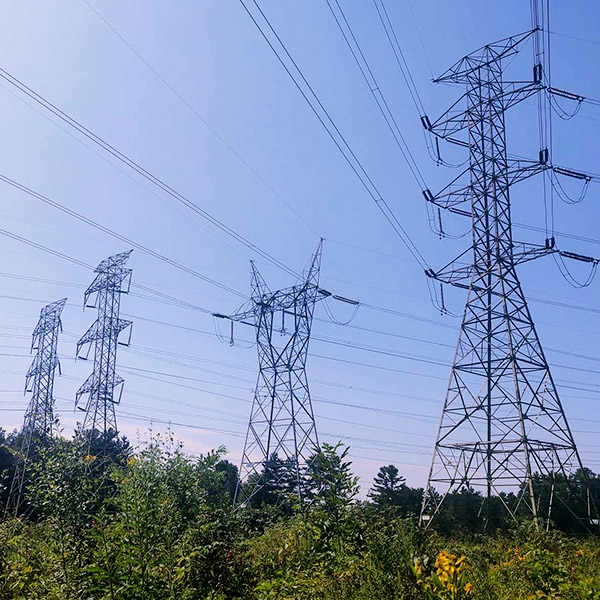
Annual energy demand in the Pacific Northwest could reach between 31,000 and 44,000 MW by 2046, according to the NWPCC's initial 20-year forecast.
© RTO Insider
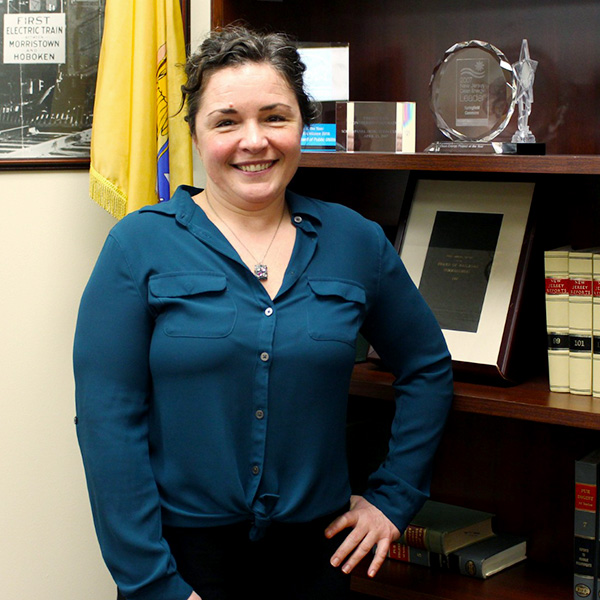
Christine Guhl-Sadovy, president of the New Jersey Board of Public Utilities, has a lot to do and little time to do it in.
IEA
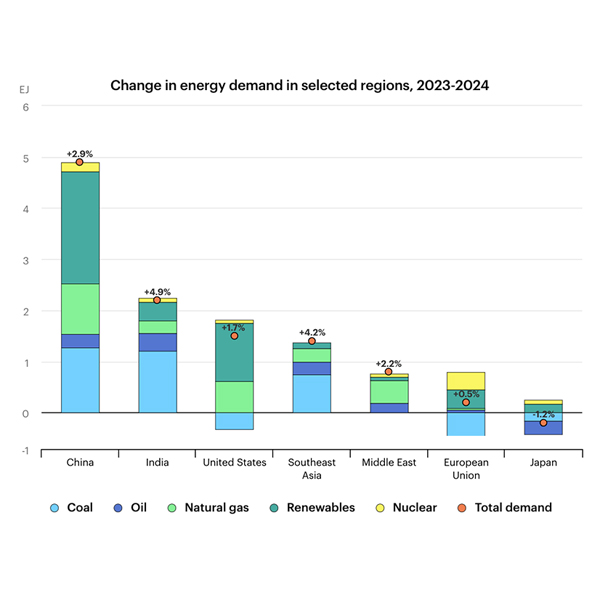
Data centers may be driving electricity demand growth in the U.S., but air conditioning helped drive a 4.3% increase in worldwide demand in 2024.
ISO-NE
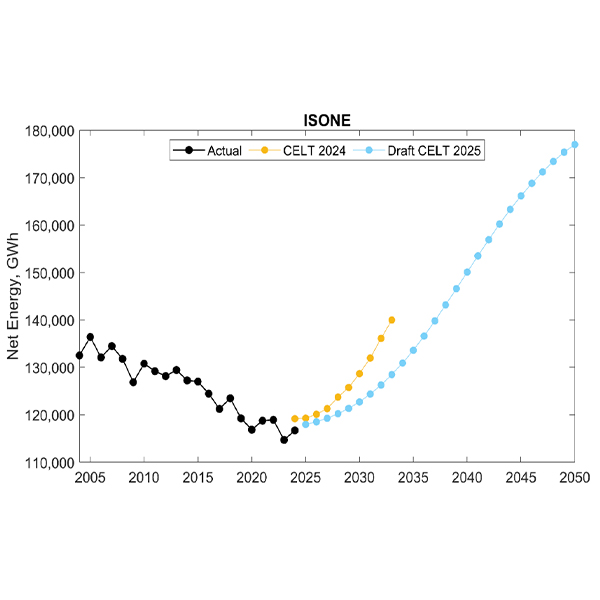
As part of a major overhaul of its annual load forecasting process, ISO-NE has significantly scaled back its electrification forecast for electric vehicles and heat pumps.
Want more? Advanced Search