Federal Energy Regulatory Commission (FERC)
The Federal Energy Regulatory Commission is an independent agency that regulates the interstate transmission of electricity, natural gas and oil; reviews proposals to build LNG terminals and interstate natural gas pipelines; and licenses hydropower projects. FERC also oversees operations of regional wholesale electricity and natural gas markets and oversees the reliability of the bulk electric system.
© RTO Insider LLC
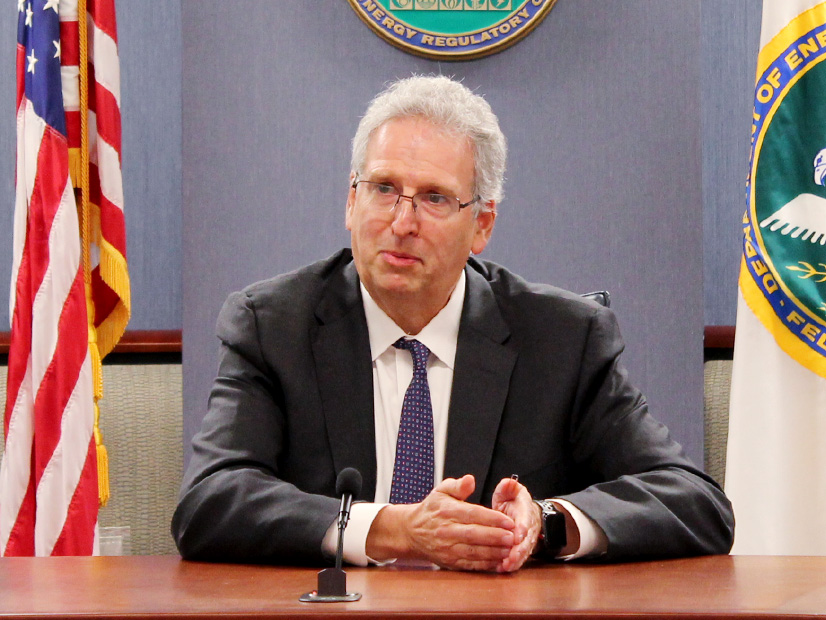
2022 was a busy year for FERC, with rulemaking proposals and technical conferences covering almost everything over which the commission has jurisdiction.
© RTO Insider LLC
FERC rejected the sale of American Electric Power’s Kentucky operations to Algonquin Power & Utilities subsidiary Liberty Utilities.
© RTO Insider LLC
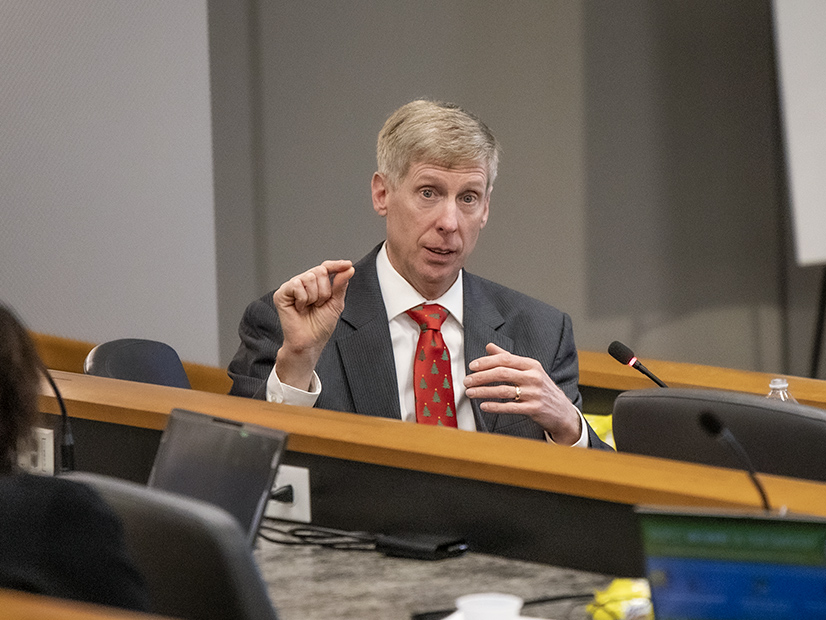
PJM said it will ask FERC to modify the rules of its 2024/25 capacity auction to avoid artificially high prices in one region of the RTO.
WestConnect
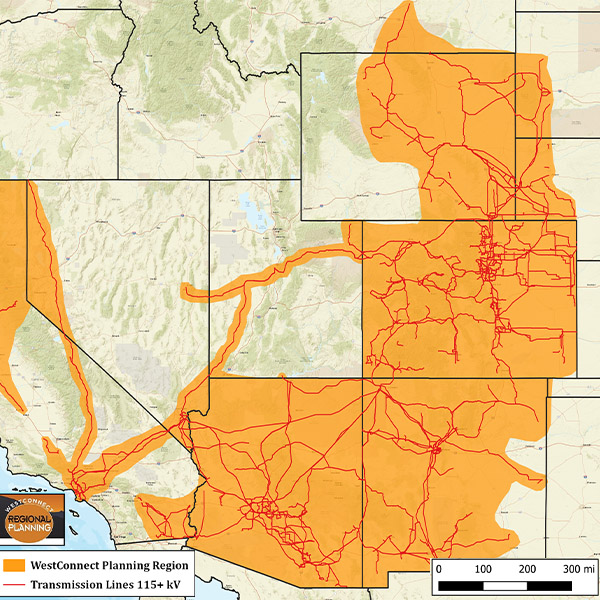
FERC rejected a proposed settlement intended to resolve a longstanding dispute over how to implement Order 1000 in the WestConnect planning region.
© RTO Insider LLC
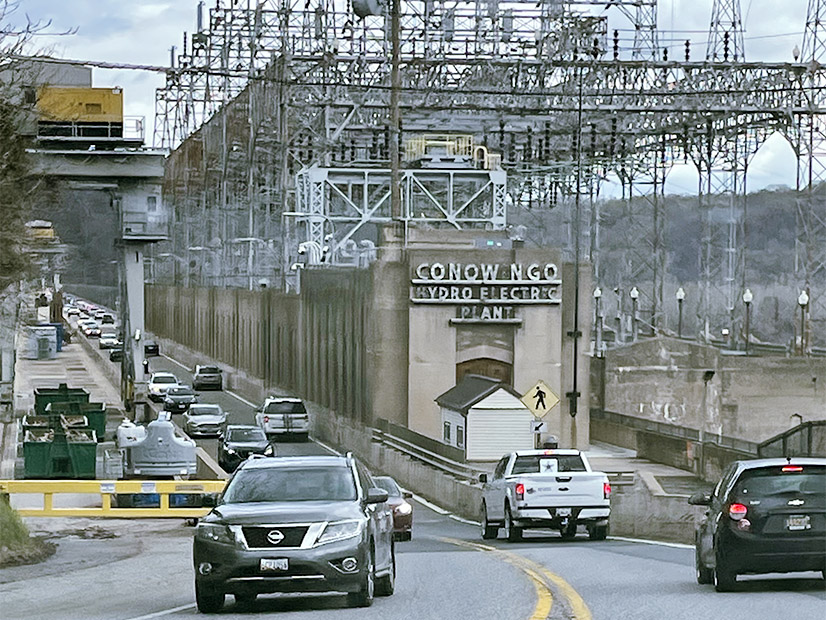
The D.C. Circuit Court of Appeals vacated FERC’s licensing of the Conowingo Dam on the Susquehanna River in Maryland, ruling in favor of environmental groups.

Contractors Insurance Agency
FERC ordered settlement judge procedures for a 3-year-old dispute between PG&E and the city of San Francisco and over the provision of distribution service.
© RTO Insider LLC
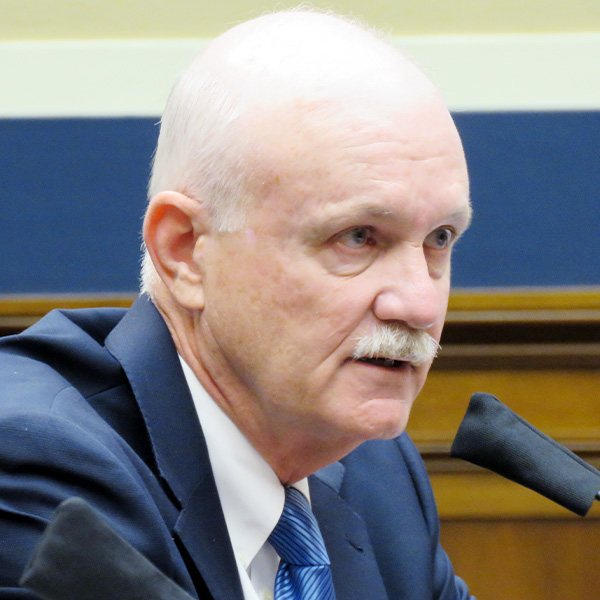
FERC rescinded RTO participation incentives for two AEP affiliates on the grounds that Ohio law compels transmission owners to participate in an RTO.

Shutterstock
The commission rejected a complaint by cybersecurity activist George Cotter, who last year accused NERC of neglecting the cybersecurity needs of the BPS.
Mortensen Wind Energy Group
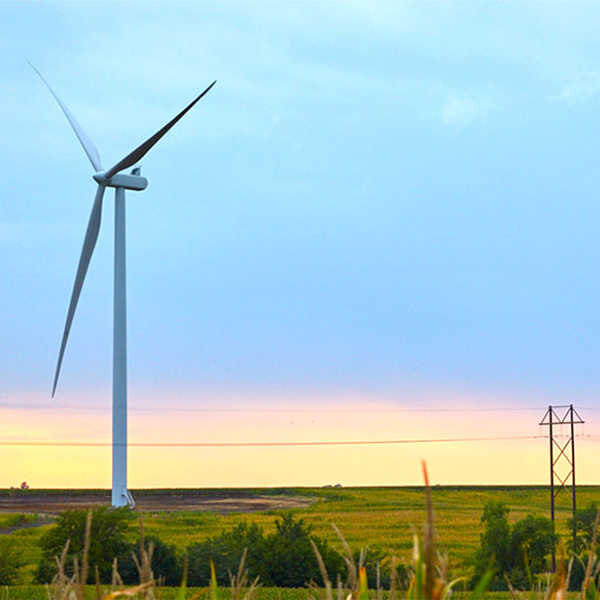
FERC has denied a Tenaska complaint alleging that grid operators adopted operating guides, resulting in unduly discriminatory curtailment for its wind farm.
FERC
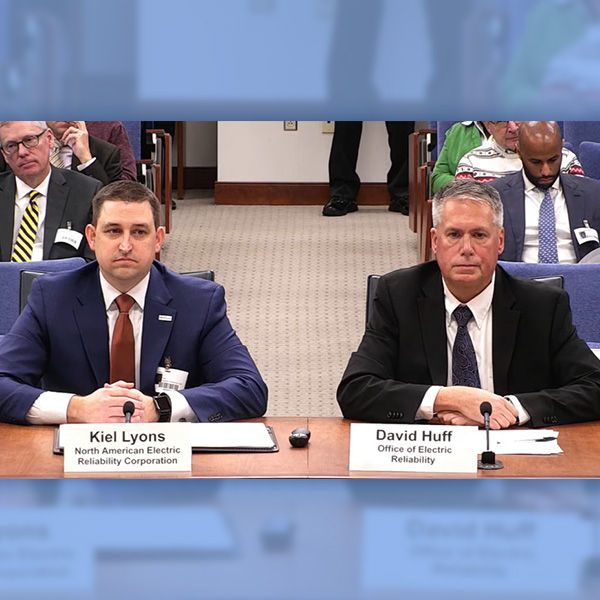
FERC Chair Richard Glick cited "remarkable” progress on FERC's and NERC's recommendations in response to Winter Storm Uri but cautioned there is more to do.
Want more? Advanced Search