Federal Energy Regulatory Commission (FERC)
The Federal Energy Regulatory Commission is an independent agency that regulates the interstate transmission of electricity, natural gas and oil; reviews proposals to build LNG terminals and interstate natural gas pipelines; and licenses hydropower projects. FERC also oversees operations of regional wholesale electricity and natural gas markets and oversees the reliability of the bulk electric system.
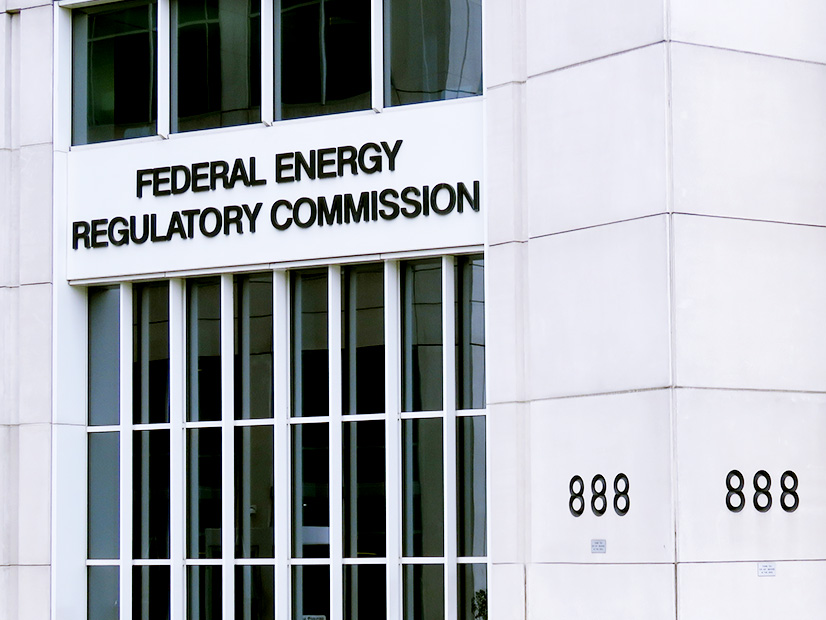
© RTO Insider LLC
FERC granted ISO-NE an extension on its Order 2222 compliance deadline, giving the RTO until Feb. 2, 2022.
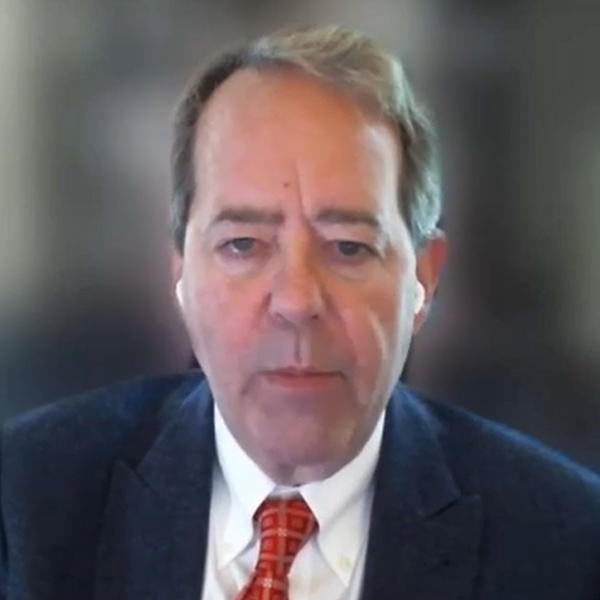
A FERC technical conference brought together a group of New England regulators, ISO-NE executives and the chair of the NEPOOL Participants Committee.
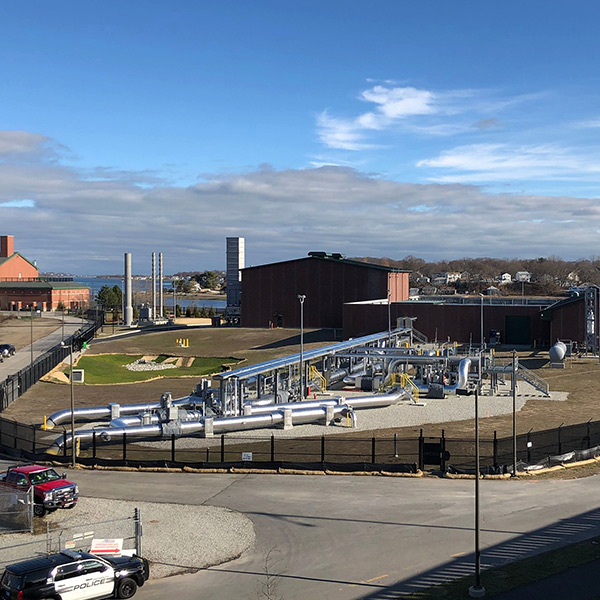
FERC nixed requests for rehearing of its decision to examine safety concerns in the operation of a natural gas compressor station in Mass.

FERC accepted PJM’s compliance filing on its rules for fast-start resources, allowing tariff changes to take effect by July.
FERC issued a set of orders signaling the disputes around the Western energy crisis of 2000/01 might finally be winding down.
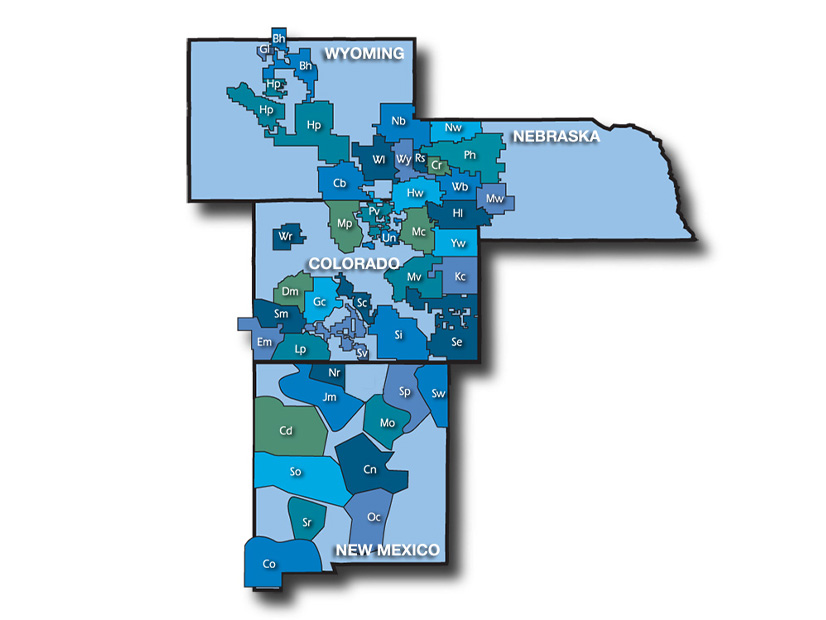
FERC stuck to its ruling approving Tri-State G&T’s transitional process for interconnection customers, overriding rehearing requests by solar developers.
At a hearing before the House Select Committee on the Climate Crisis, speakers discussed modernizing the grid & the steps necessary to decarbonize the U.S.
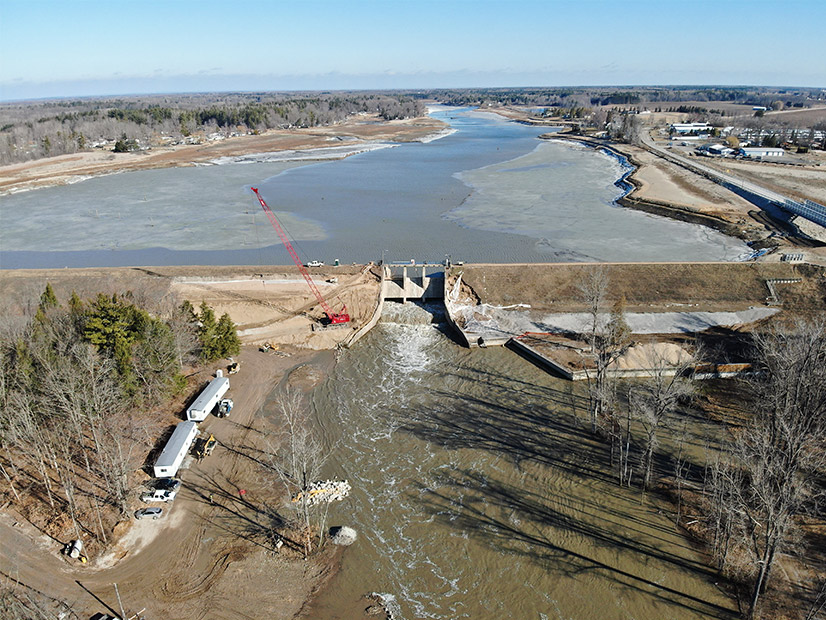
FERC terminated three more Boyce Hydro hydroelectric licenses, the latest chapter in the fallout of the utility’s 16-year ownership of the Edenville Dam.
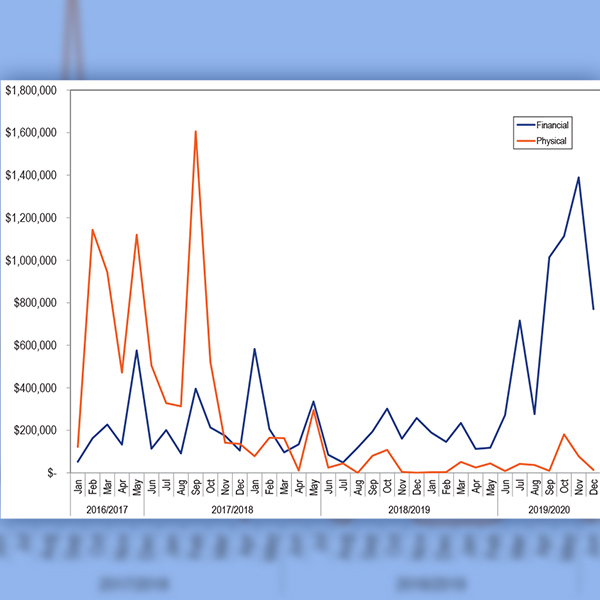
FERC rejected the FTR forfeiture rule PJM has been using for more than four years, saying it and could discourage legitimate hedging activity.
FERC reduced Entergy’s base return on equity to 10.37%, applying the methodology it adopted for MISO transmission owners in Opinion 569-A a year ago.
Want more? Advanced Search