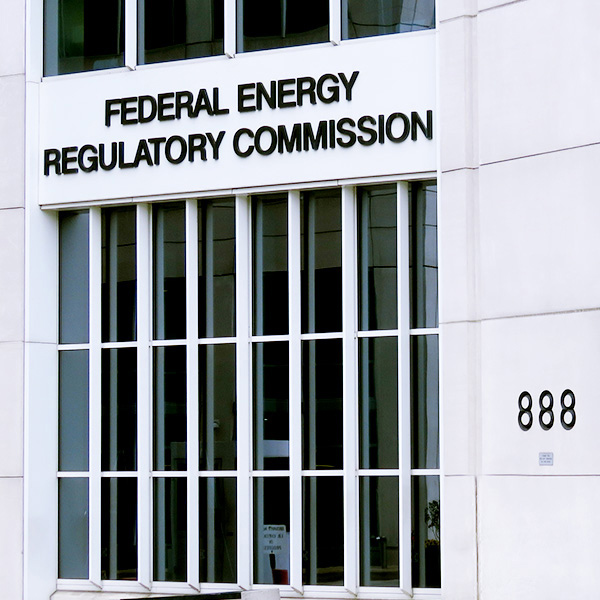
Federal Energy Regulatory Commission (FERC)
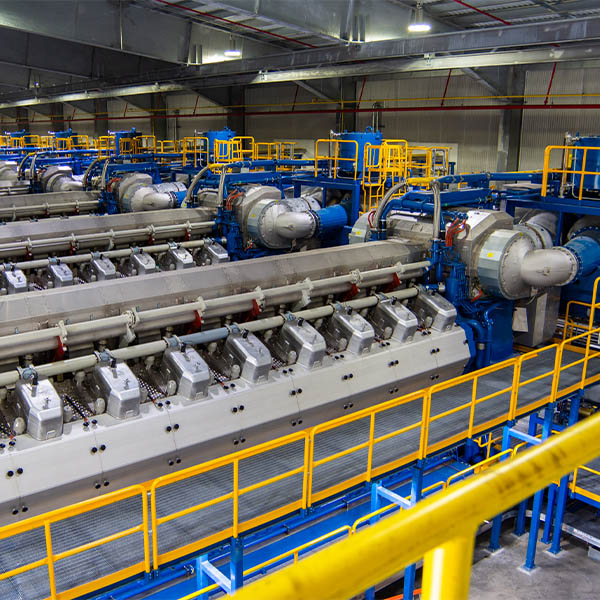
MISO’s repackaged proposal to establish a temporary fast track in its interconnection queue resulted in a familiar division among MISO stakeholders, with vertically integrated utilities in favor and clean energy organizations opposed.
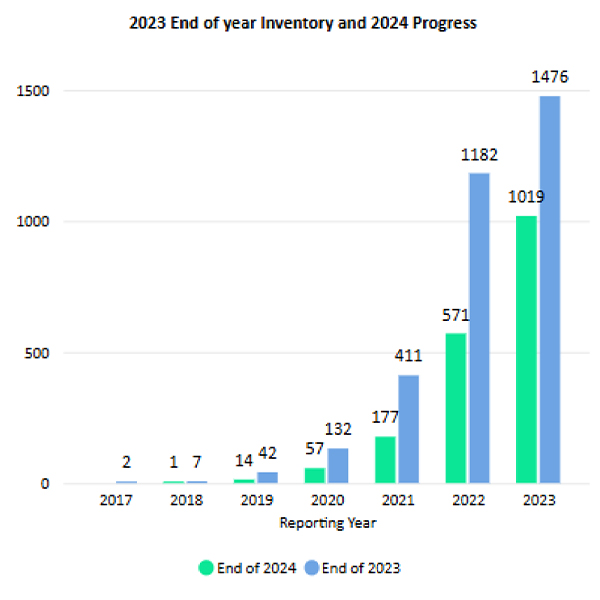
NERC outlined the metrics it plans to use to evaluate itself for its next performance assessment, in keeping with a 2024 FERC order.
FERC issued a notice saying it would coordinate with the attorney general on what crimes it would refer to the Department of Justice for criminal prosecution.

NRG Energy told FERC its purchase of generation and the CPower subsidiary from LS Power will not impact competition, despite some overlap in assets in New York and PJM.
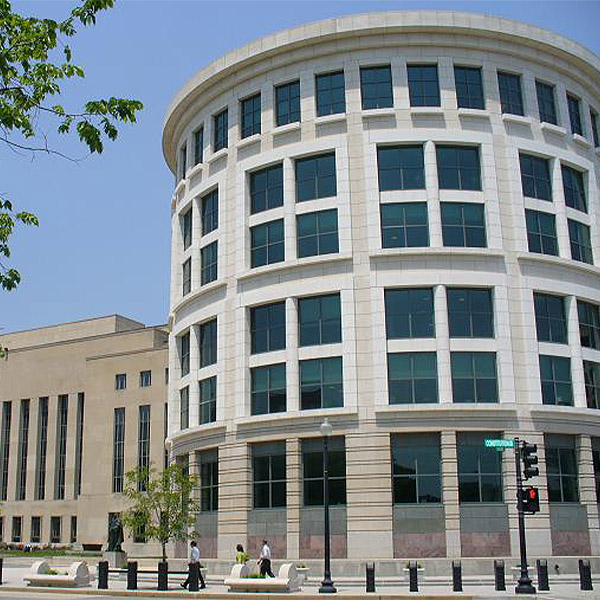
The D.C. Circuit Court of Appeals denied Kimball Wind LLC’s petition to overturn a FERC decision rejecting the wind developer’s bid for $5.9 million in reimbursement from WAPA for contributing to a substation expansion in Nebraska.
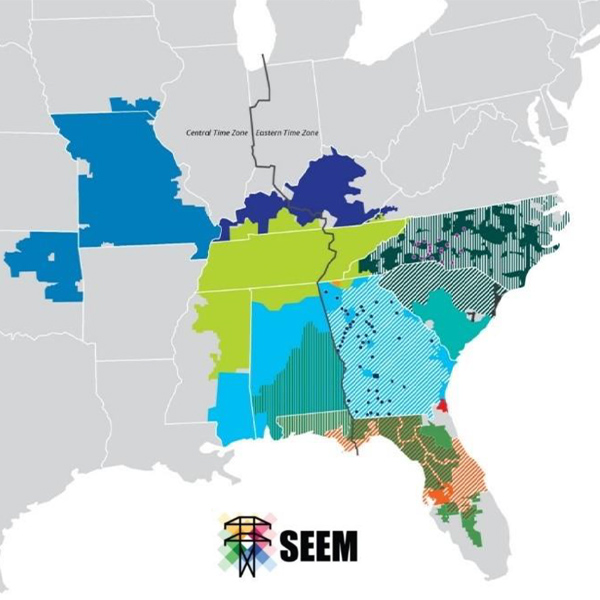
FERC responded to critics of the Southeast Energy Exchange Market, clarifying its use of the comparability standard to justify the market.
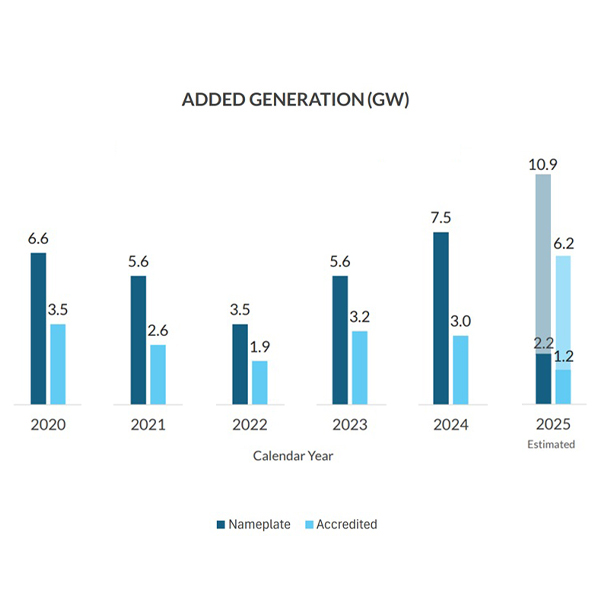
MISO has put a second proposal for a fast-tracked interconnection queue lane in front of FERC, a mere three weeks after the commission rejected the RTO’s initial proposal.
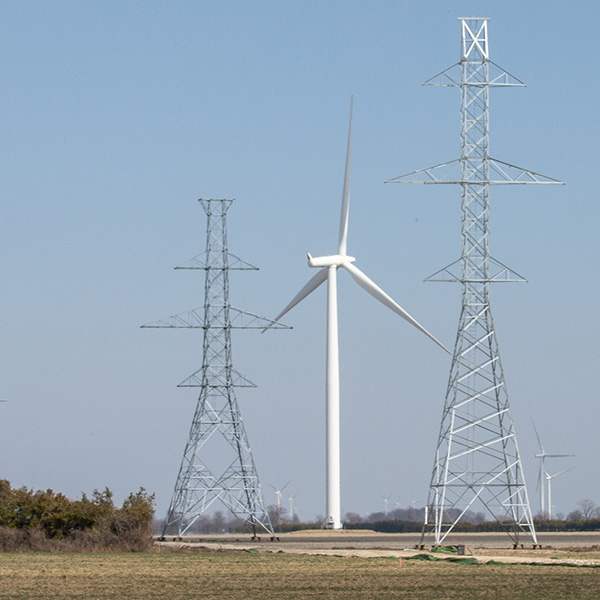
FERC decided it’s practical for MISO to have an almost three-year extension of the commission’s directive to implement ambient adjusted transmission line ratings.
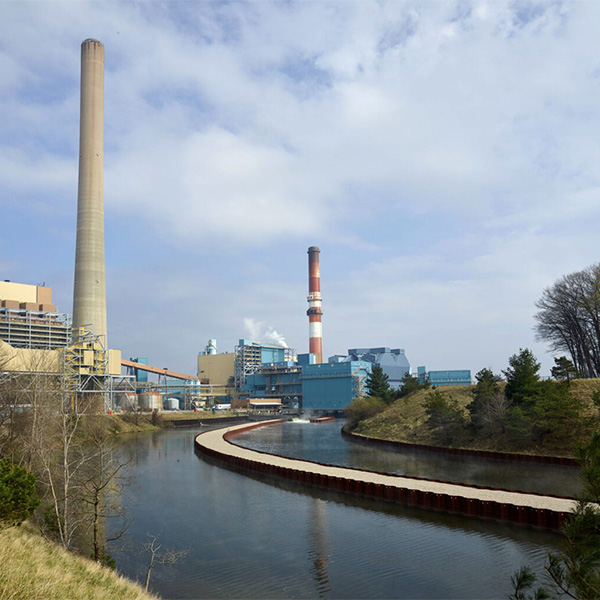
Consumers Energy filed a complaint with FERC against MISO seeking compensation for keeping open the J.H. Campbell coal plant this summer as ordered by the U.S. Department of Energy.

The Edison Electric Institute’s annual conference and thought leadership forum featured numerous discussions on the industry's ability to meet the explosive demand without sacrificing reliability and affordability.
Want more? Advanced Search